Research Blog
Peptide Research: Testing, Stability & Methods
Cited, educational articles on peptide chemistry, HPLC and mass spec testing, stability, storage and research methods. For research use only.
 CompoundsPhoto: kaibara87 / Wikimedia Commons, CC BY 2.0
Compound Profiles Cagrilintide: A Long-Acting Amylin Analogue in Research
How cagrilintide was engineered from amylin, why the parent peptide aggregates, and how it engages calcitonin receptor and RAMP complexes in research assays.
 DODaniel Okafor~6 min read
CompoundsPhoto: kaibara87 / Wikimedia Commons, CC BY 2.0
Compound Profiles Semaglutide: Structure of a Lipidated GLP-1 Analogue
Is semaglutide a peptide? Yes: a 31-residue GLP-1 analogue with Aib8, Arg34 and a C18 fatty diacid side chain. Here is how each change works.
DODaniel Okafor~5 min read
 CompoundsPhoto: Habin Zhang / Wikimedia Commons
Compound Profiles Tirzepatide (TIRZ-2): Structure and Dual GIP/GLP-1 Receptor Pharmacology
A 39-residue GIP-based peptide with two Aib residues and a C20 diacid: how tirzepatide engages GIP and GLP-1 receptors, and what in vitro work shows.
DODaniel Okafor~5 min read
 Compounds
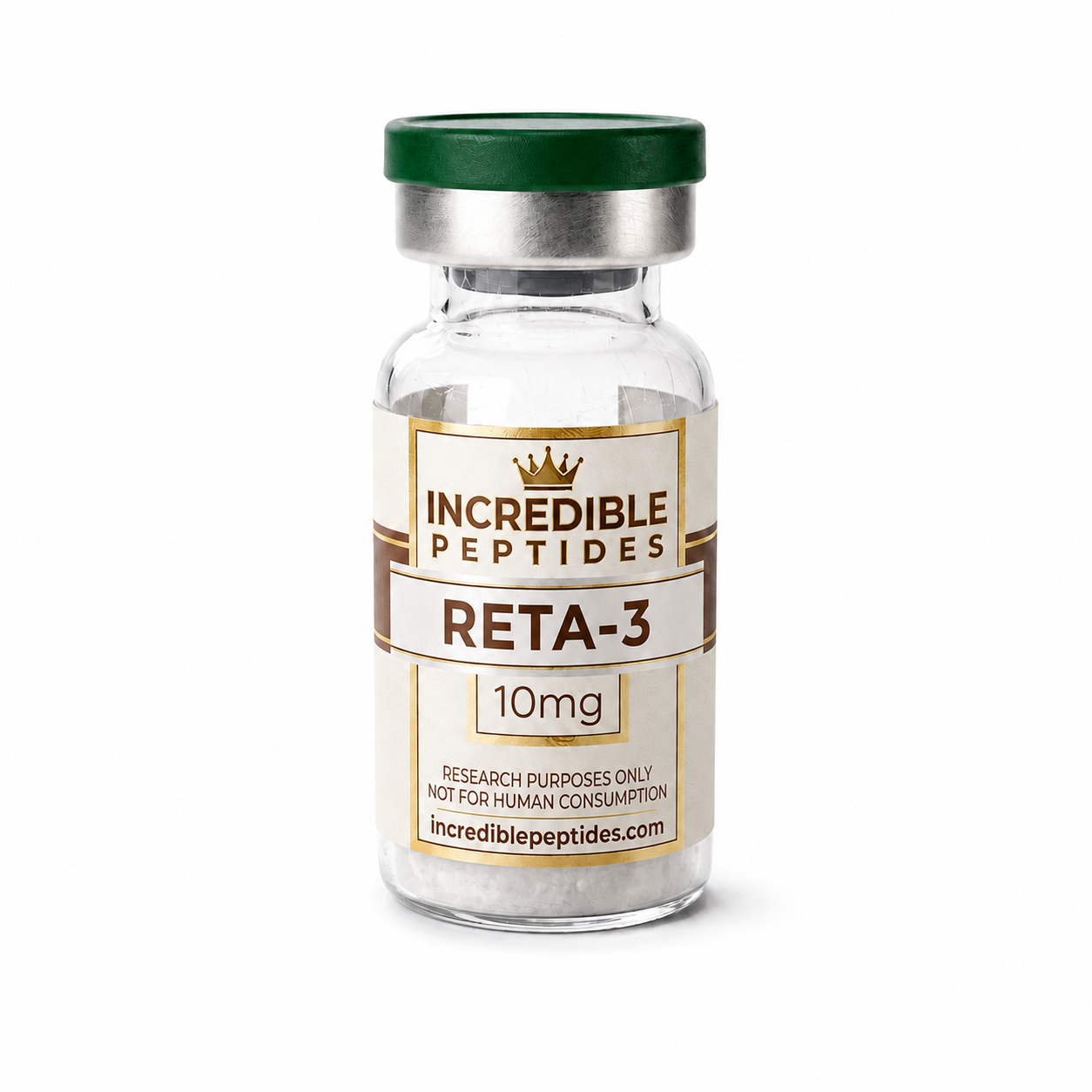
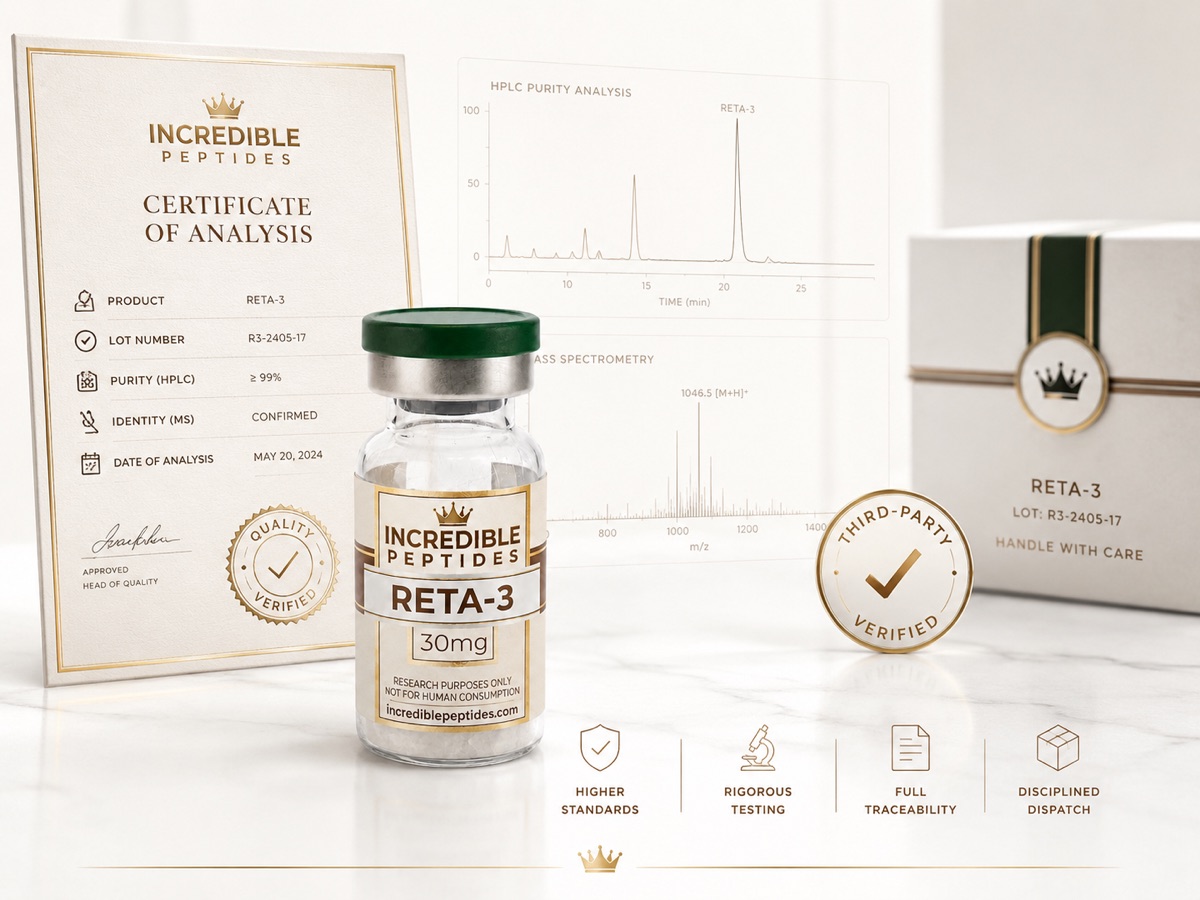
Compound Profiles Retatrutide (RETA-3): A Triple Receptor Agonist Research Peptide
How retatrutide is built, why it activates three related class B1 receptors, and what in vitro receptor profiling can and cannot tell you.
DODaniel Okafor~4 min read
MechanismsPhoto: Habin Zhang / Wikimedia Commons
Mechanisms and Pharmacology Retatrutide vs Tirzepatide vs Semaglutide: Receptor Pharmacology Compared
Mono, dual and triple agonists side by side: which receptors each peptide activates, how the structures differ, and how to compare them fairly in cell assays.
DODaniel Okafor~4 min read
MechanismsPhoto: kaibara87 / Wikimedia Commons, CC BY 2.0
Mechanisms and Pharmacology What Is GLP-1? Glucagon-Like Peptide-1 Biology for Researchers
Glucagon-like peptide-1 from gene to receptor: proglucagon processing, GLP-1R signalling, why the native peptide is short-lived and how analogues fix that.
DODaniel Okafor~6 min read
MechanismsPhoto: kaibara87 / Wikimedia Commons, CC BY 2.0
Mechanisms and Pharmacology Growth Hormone Secretagogues: GHRH Analogues and Ghrelin Mimetics
How GHRH analogues and ghrelin receptor agonists differ in structure, receptor pharmacology and signaling, and how pituitary cell assays are used to study them.
DODaniel Okafor~5 min read
 Compounds
Compound Profiles Bioregulator Peptides: Short Peptides in Research
The history of the short-peptide bioregulator concept, the main extract-derived and synthetic compounds, proposed mechanisms, and why independent replication matters.
DODaniel Okafor~5 min read
 FormulationPhoto: Nadine90 / Wikimedia Commons, CC BY-SA 3.0
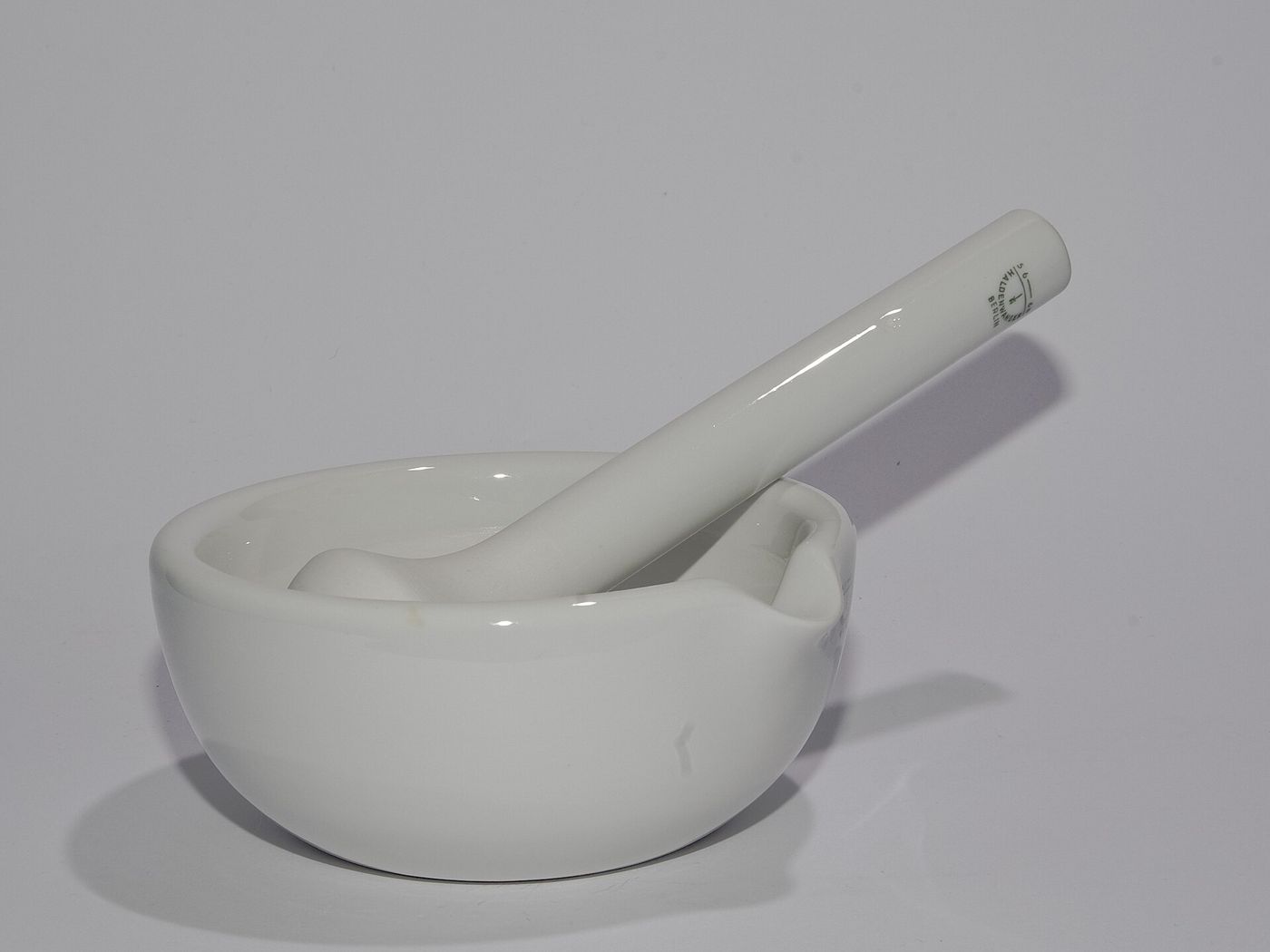
Formulation Science Peptide Blends Explained: Formulation and Testing of Multi-Peptide Vials
Why multi-peptide vials exist, what makes peptides compatible in one formulation, and how analysts resolve, identify and quantify each component of a blend.
 EMElena Marsh~5 min read
Educational content for research use only. Not for human consumption. Nothing here is medical advice or a claim about safety or efficacy.