
Research Blog
Research-Grade Diluent Research Articles
6 articles on Research-Grade Diluent: structure, receptor pharmacology, published findings, analytical testing and laboratory handling.
 FormulationPhoto: VictorMartin / Wikimedia Commons, Public domain
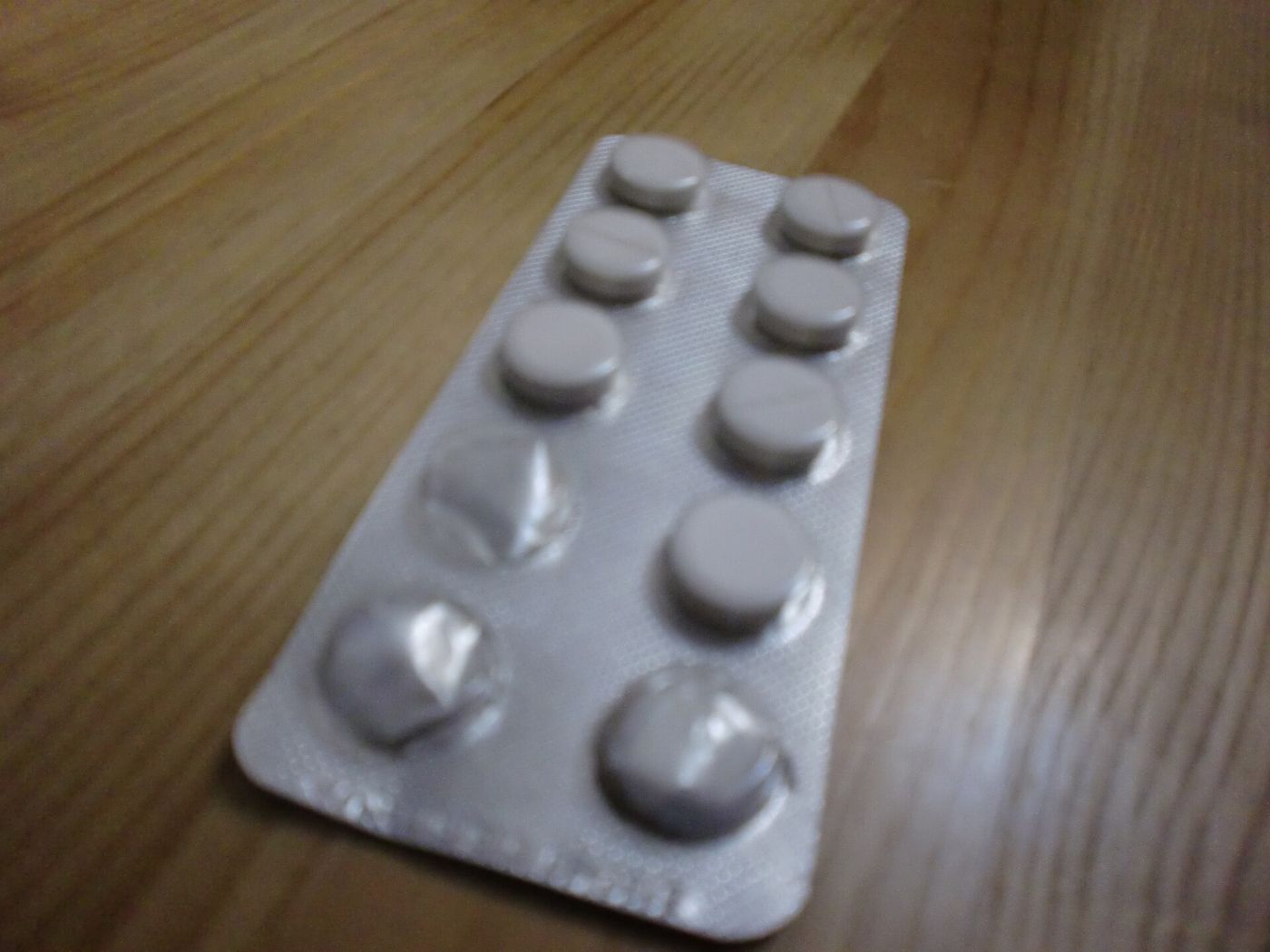
Formulation Science Common Excipients in Peptide Formulations
What bulking agents, buffers, surfactants and preservatives such as benzyl alcohol each contribute to a peptide formulation, and how to record them.
 EMElena Marsh~5 min read
 FormulationPhoto / Wikimedia Commons
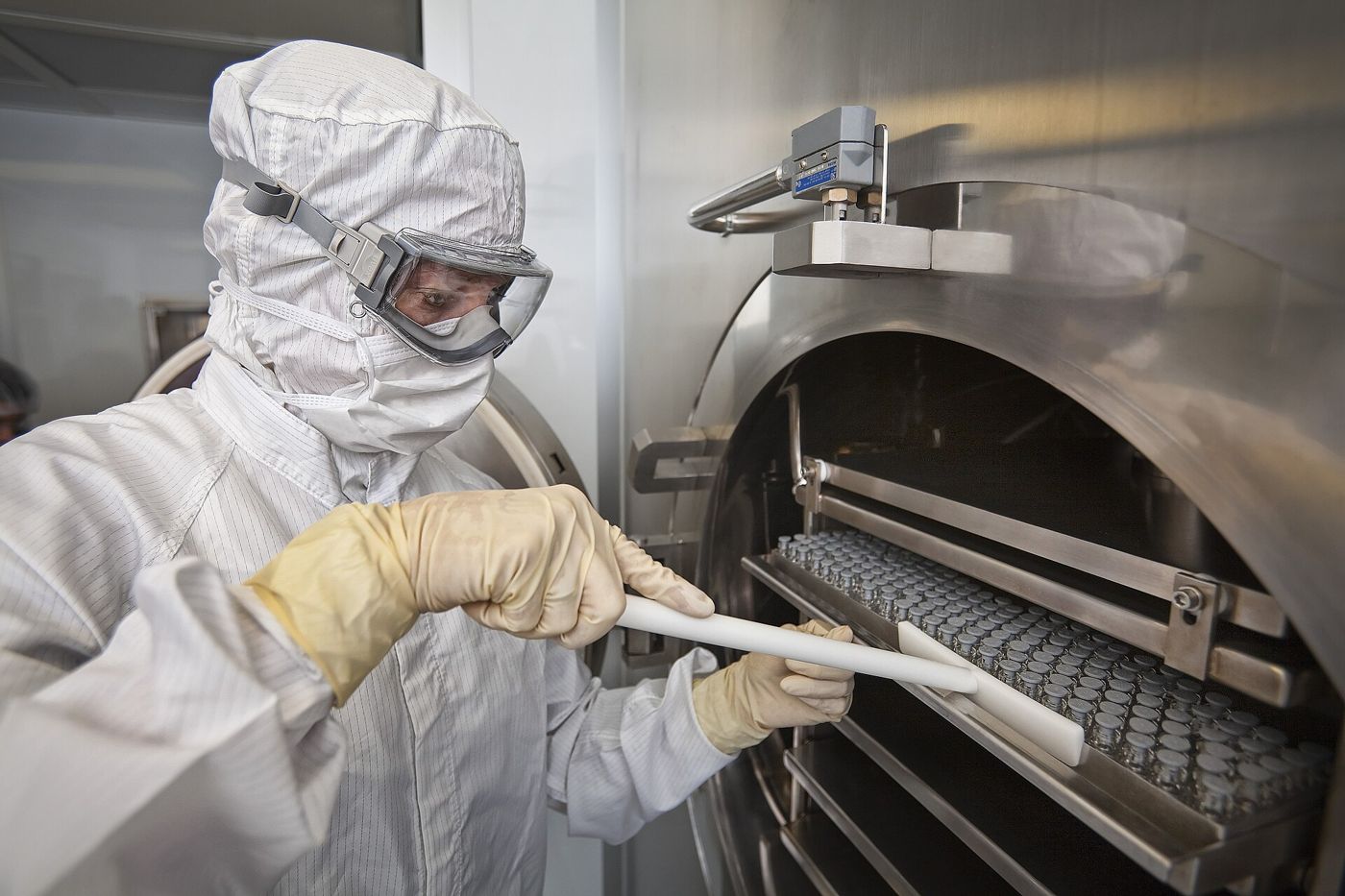
Formulation Science Lyophilized vs. Liquid Peptides: Choosing a Format
Trade-offs between lyophilized powders, ready-to-use solutions and capsules in a research setting, with a stability comparison and a practical way to choose.
EMElena Marsh~5 min read
 FormulationPhoto: Nadine90 / Wikimedia Commons, CC BY-SA 3.0
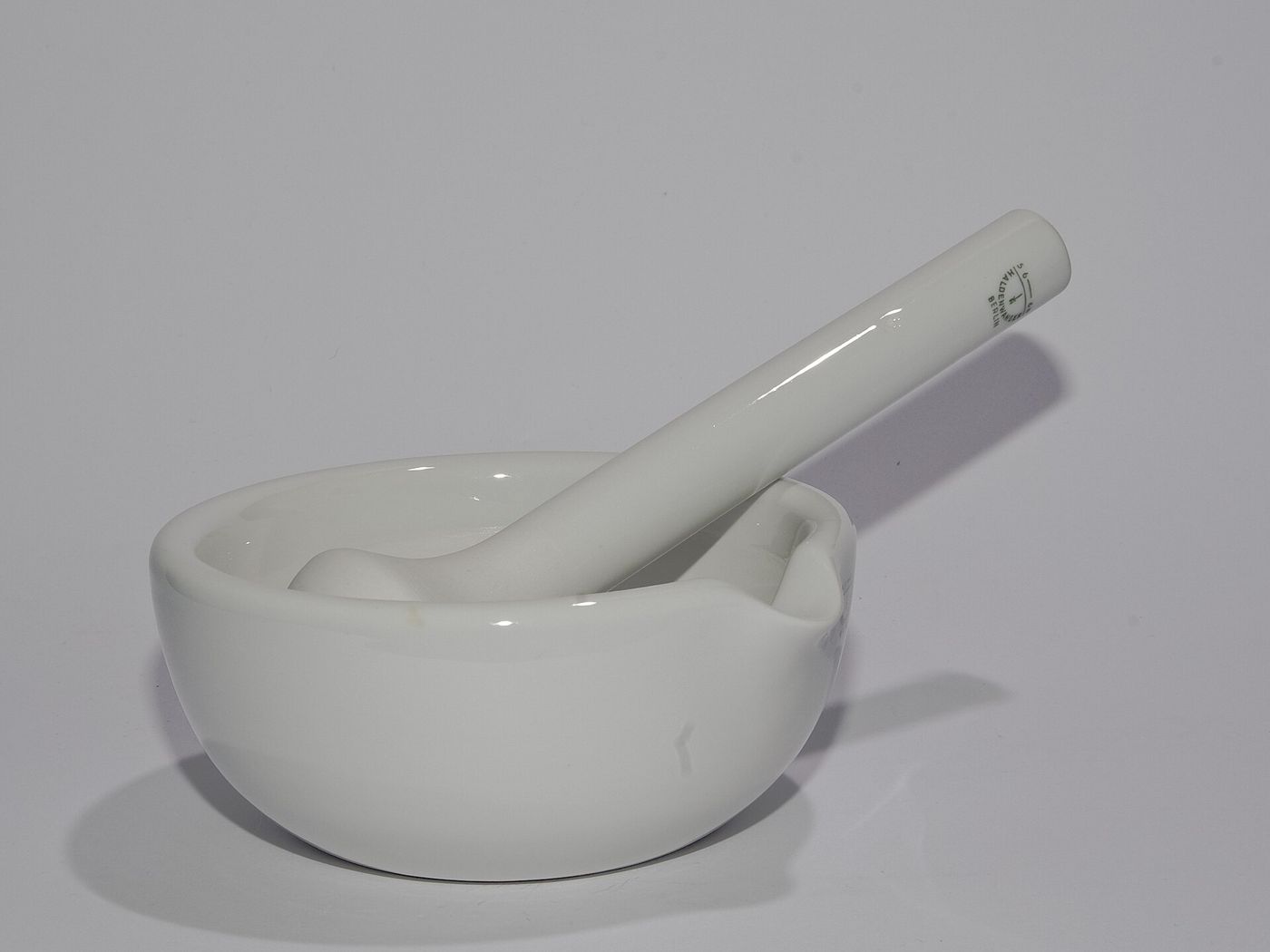
Formulation Science Peptide Formulation Basics for Researchers
The goals of peptide formulation science and the main variables formulators control, from pH and buffers to stabilizers, containers and stability testing.
EMElena Marsh~6 min read
 FormulationPhoto: Millrock / Wikimedia Commons, Public domain
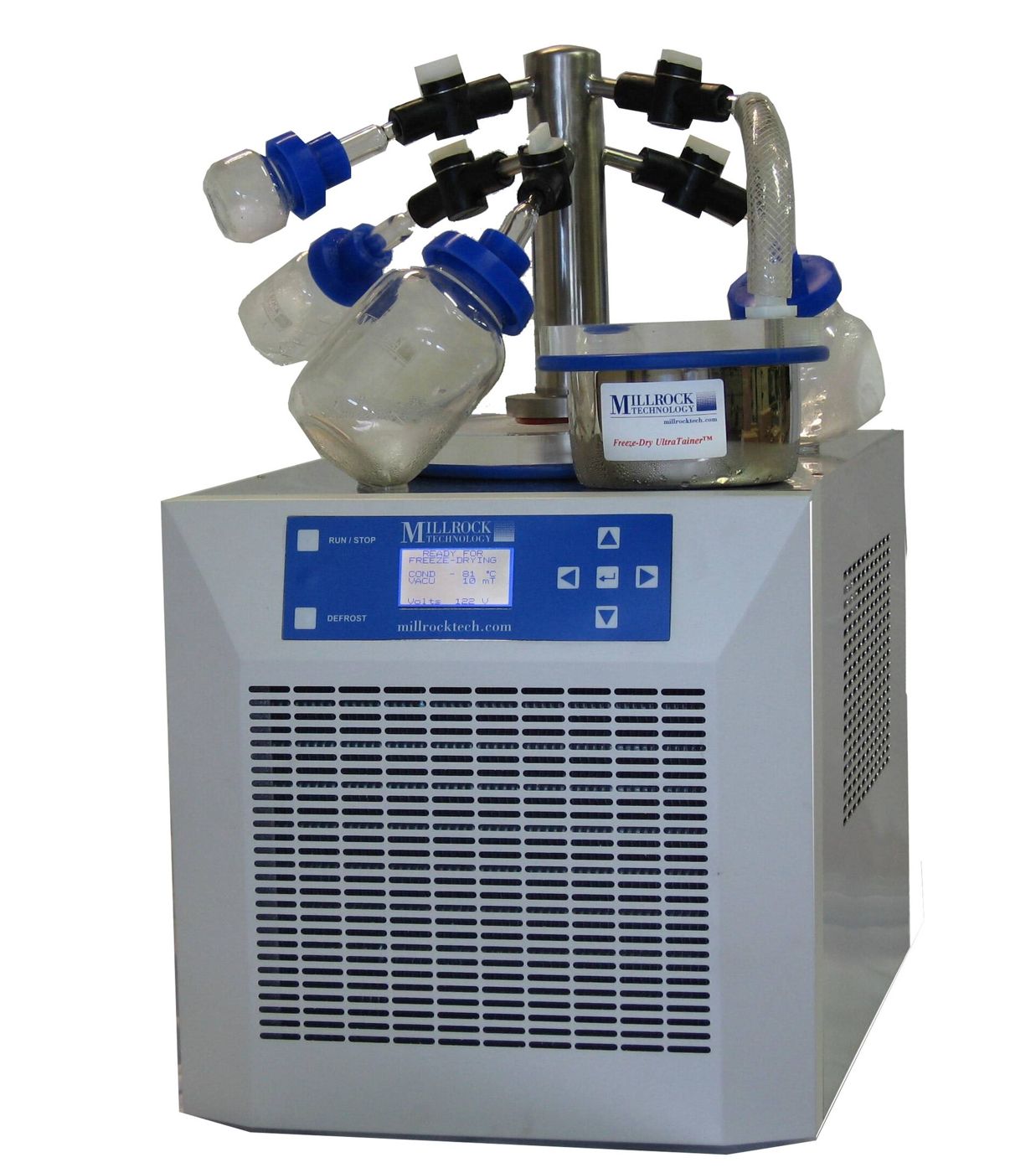
Formulation Science Peptide Lyophilization (Freeze-Drying) Explained
How freeze-drying removes water to stabilize peptides, what a well-formed lyophilized cake looks like, and why residual moisture matters.
EMElena Marsh~6 min read
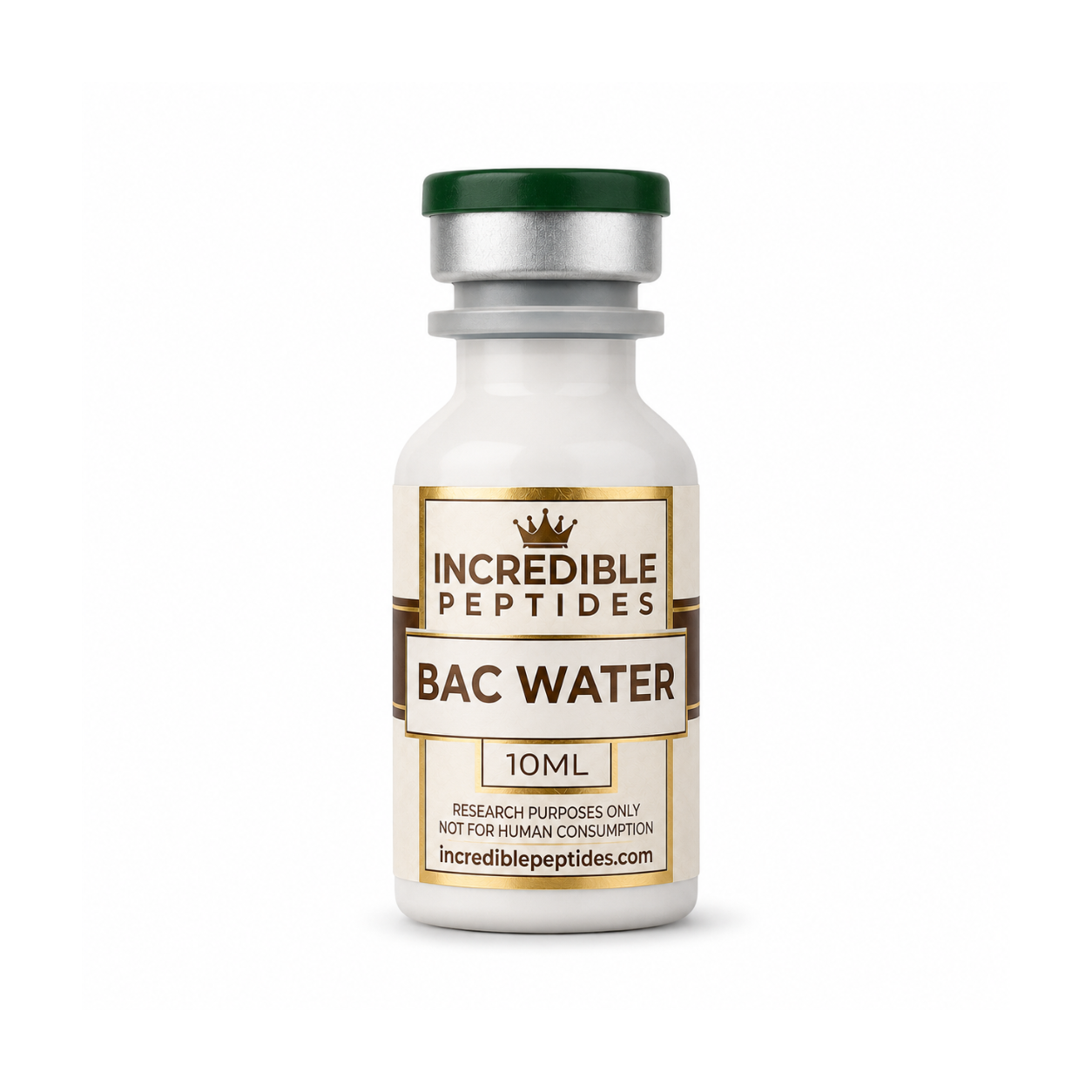 Stability
 and Storage How to Store Research Peptides in the Lab
Practical lab guidance on storing lyophilized peptides and stock solutions, choosing diluents, and labeling and tracking material by lot.
EMElena Marsh~5 min read
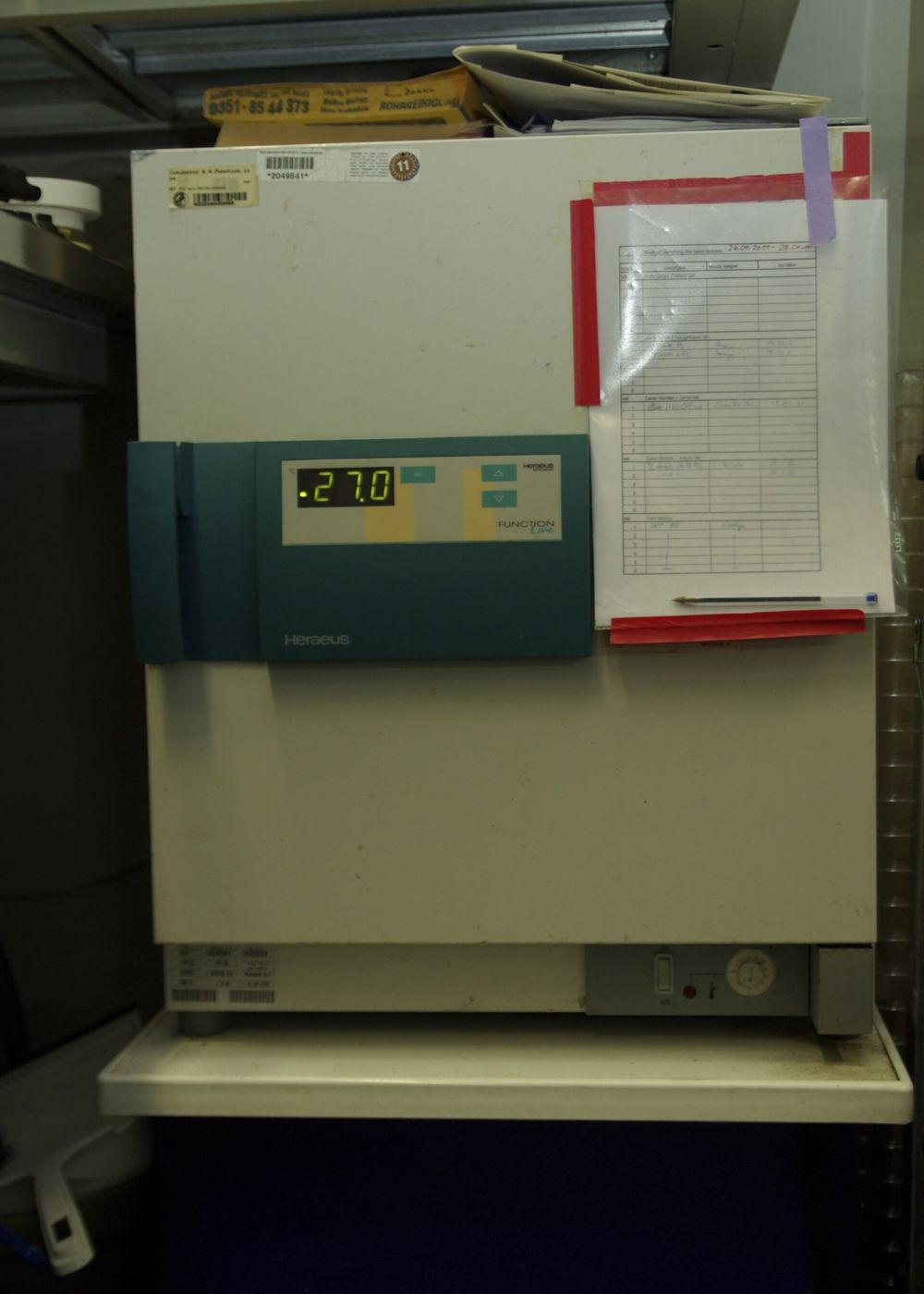 StabilityPhoto: Nadine90 / Wikimedia Commons, CC BY-SA 3.0
Stability and Storage How Temperature Affects Peptide Stability
How temperature drives peptide degradation, what freeze-thaw cycles do to solutions, and how to judge shipping excursions.
EMElena Marsh~5 min read
Educational content for research use only. Not for human consumption. Nothing here is medical advice or a claim about safety or efficacy.