Research Blog
GLP-1 Research Articles
6 articles on GLP-1: structure, receptor pharmacology, published findings, analytical testing and laboratory handling.
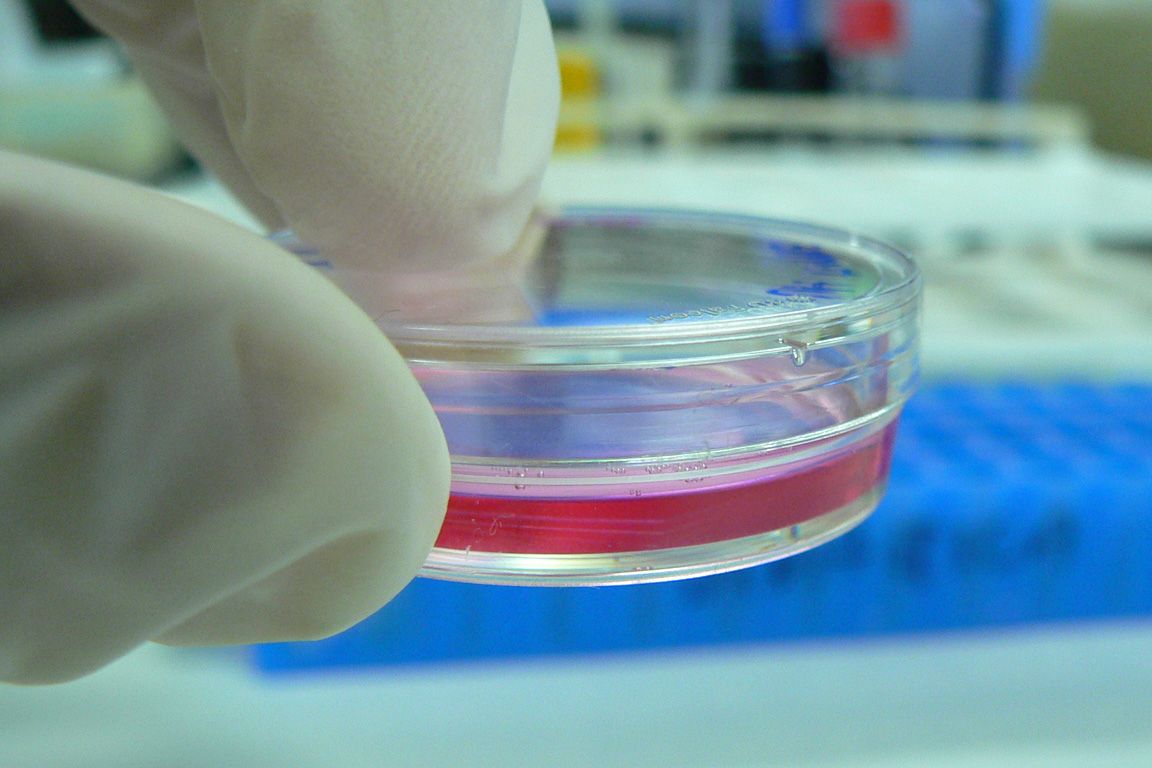 CompoundsPhoto: kaibara87 / Wikimedia Commons, CC BY 2.0
Compound Profiles Semaglutide: Structure of a Lipidated GLP-1 Analogue
Is semaglutide a peptide? Yes: a 31-residue GLP-1 analogue with Aib8, Arg34 and a C18 fatty diacid side chain. Here is how each change works.
 DODaniel Okafor~5 min read
MechanismsPhoto: kaibara87 / Wikimedia Commons, CC BY 2.0
Mechanisms and Pharmacology What Is GLP-1? Glucagon-Like Peptide-1 Biology for Researchers
Glucagon-like peptide-1 from gene to receptor: proglucagon processing, GLP-1R signalling, why the native peptide is short-lived and how analogues fix that.
DODaniel Okafor~6 min read
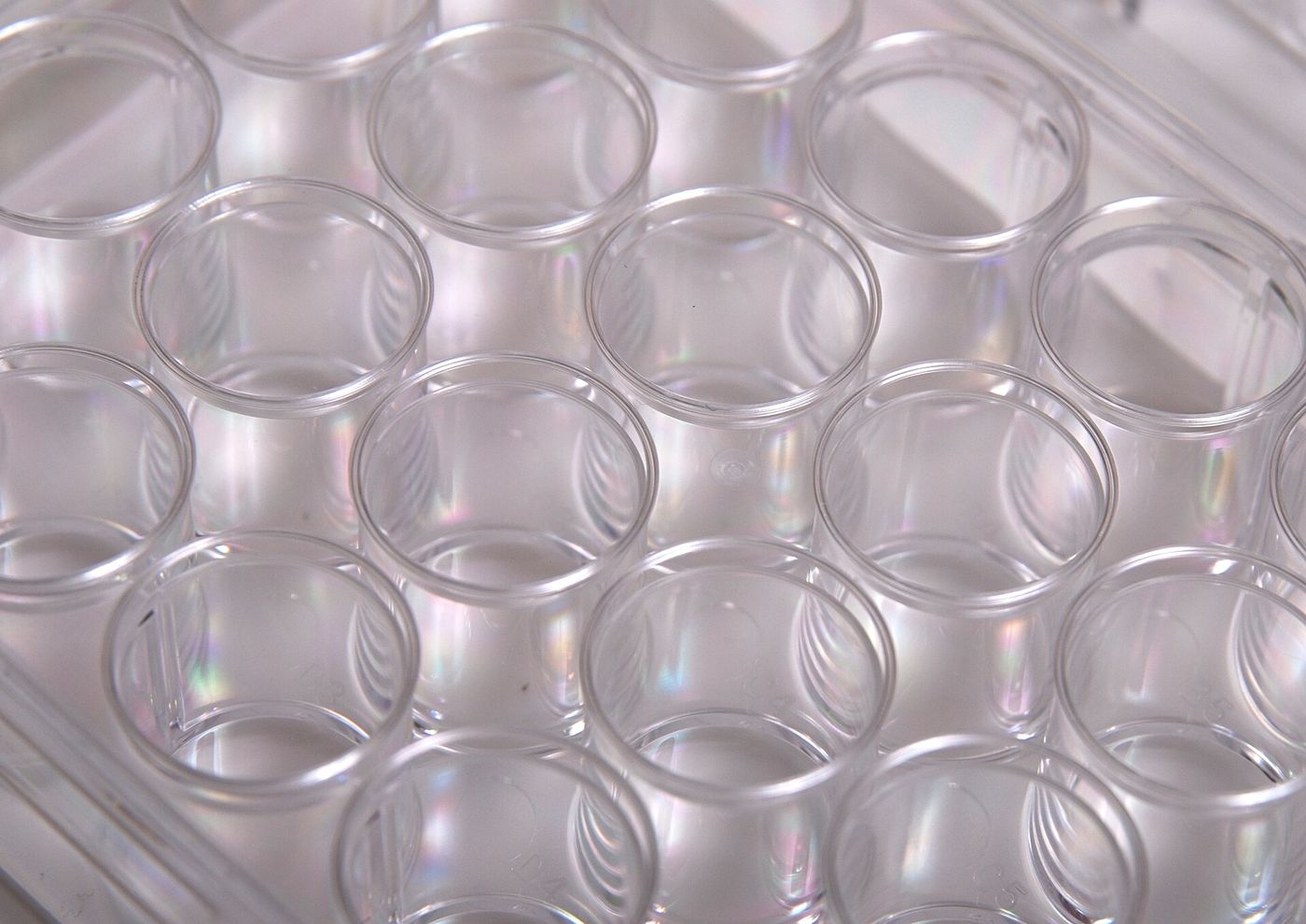 MechanismsPhoto: Lilly_M / Wikimedia Commons, CC BY-SA 3.0
Mechanisms and Pharmacology Cell Signaling Assays in Peptide Research
How receptor activation becomes a measurable signal, and the second-messenger, reporter and phosphorylation assays peptide researchers use to read it.
DODaniel Okafor~6 min read
MechanismsPhoto: kaibara87 / Wikimedia Commons, CC BY 2.0
Mechanisms and Pharmacology Peptide-Receptor Interactions: A Primer
How peptides bind and activate receptors, using GLP-1R and the class B1 GPCRs as a worked example of affinity, efficacy and agonism.
DODaniel Okafor~6 min read
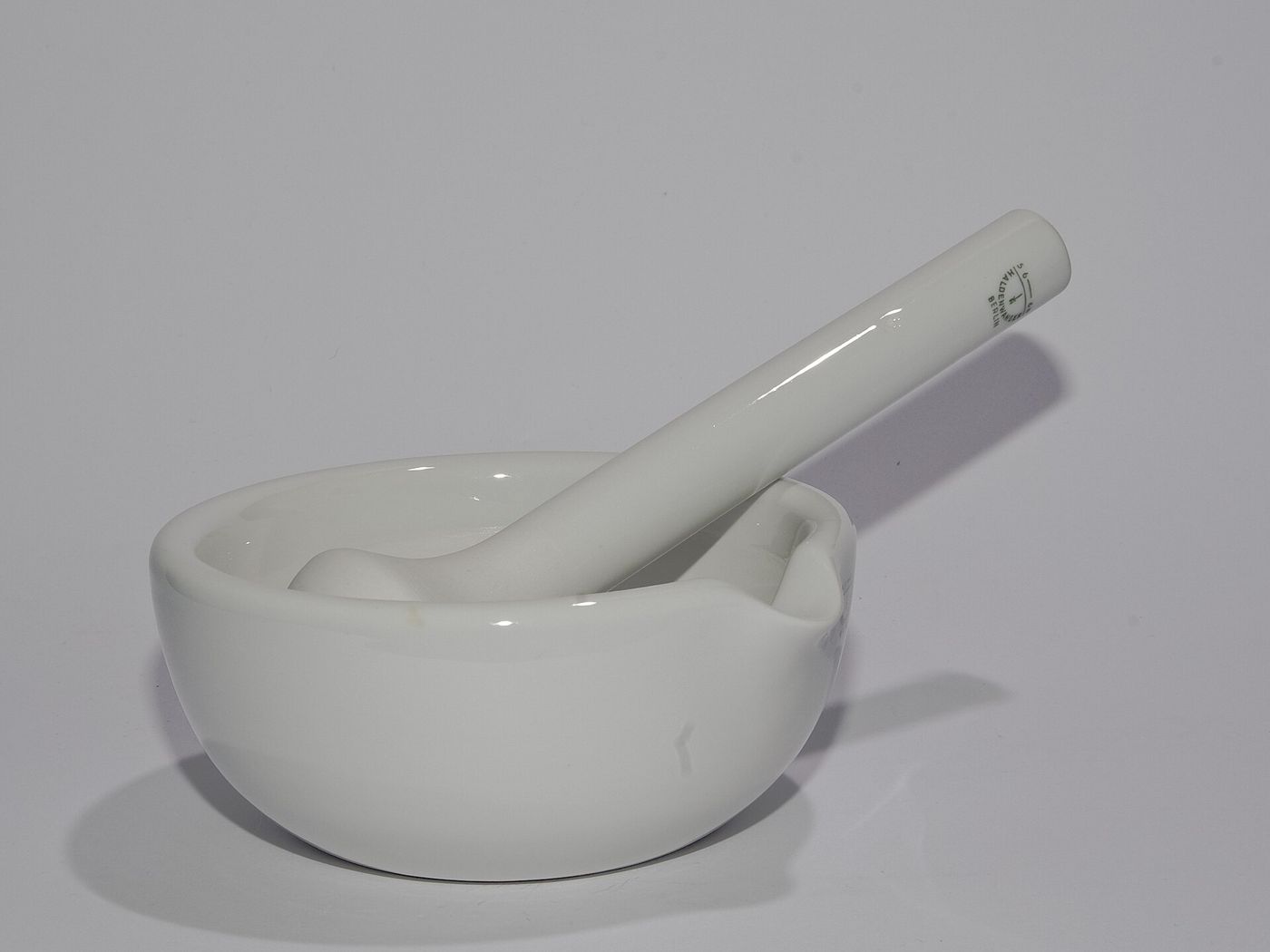 CompoundsPhoto: Nadine90 / Wikimedia Commons, CC BY-SA 3.0
Compound Profiles CagriSema (G1-S/C Blend): Cagrilintide and Semaglutide in Research
The chemistry behind CagriSema: two lipidated peptides from different receptor families in one vial, and what that means for formulation and analytical testing.
DODaniel Okafor~5 min read
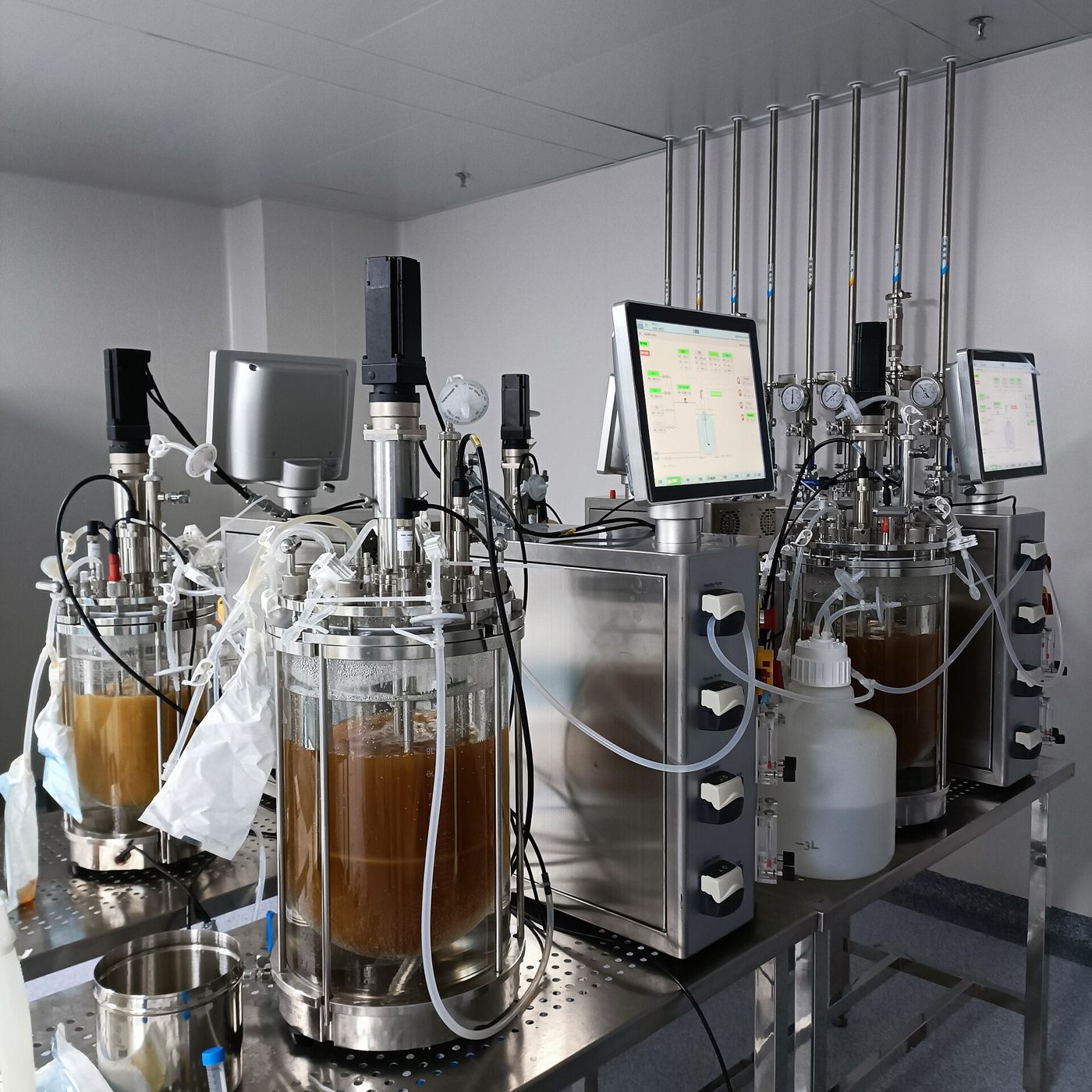 MechanismsPhoto: Habin Zhang / Wikimedia Commons
Mechanisms and Pharmacology Retatrutide vs Tirzepatide vs Semaglutide: Receptor Pharmacology Compared
Mono, dual and triple agonists side by side: which receptors each peptide activates, how the structures differ, and how to compare them fairly in cell assays.
DODaniel Okafor~4 min read
Educational content for research use only. Not for human consumption. Nothing here is medical advice or a claim about safety or efficacy.