 EM
Elena Marsh, PhD
Elena is an analytical chemist with more than a decade in biotech quality-control laboratories. Her work has centered on HPLC and LC-MS method development, impurity profiling and stability studies for synthetic peptides. At Incredible Peptides she reviews certificates of analysis and writes about testing, storage and formulation.
Articles
 CompoundsPhoto: Kjaergaard / Wikimedia Commons
Compound Profiles hCG: Why Human Chorionic Gonadotropin Is a Glycoprotein, Not a Peptide
hCG is often called a peptide, but it is a glycosylated heterodimer. Its structure explains IU labeling, analytical methods and storage needs.
EMElena Marsh~6 min read
 CompoundsPhoto: Millrock / Wikimedia Commons, Public domain
Compound Profiles Glutathione: The γ-Glutamyl Tripeptide Antioxidant in Research
Glutathione is a γ-linked tripeptide whose cysteine thiol drives its redox chemistry, assay behavior and instability in solution.
EMElena Marsh~5 min read
 Compounds
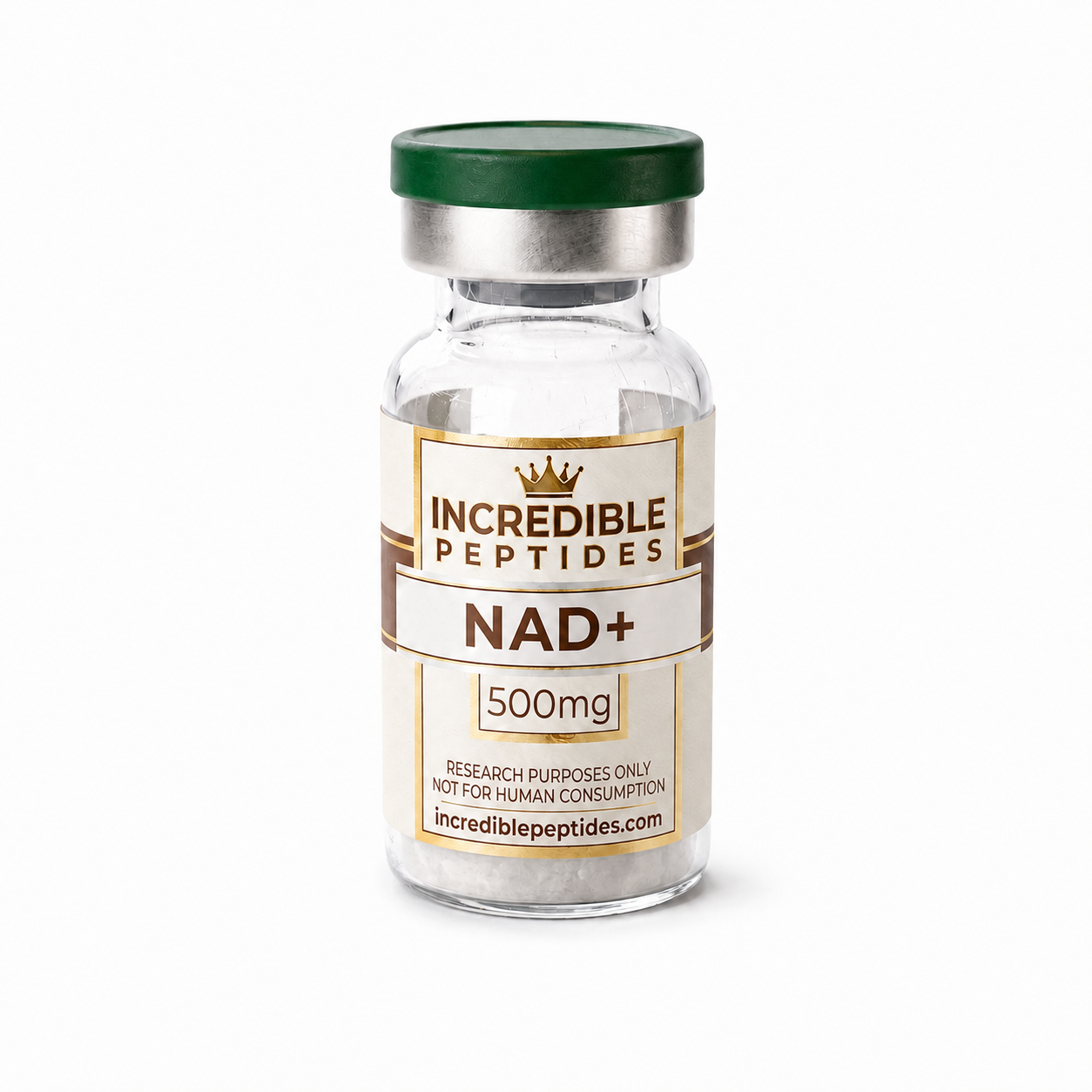
Compound Profiles NAD+ in Research: Is NAD+ a Peptide?
NAD+ is sold beside peptides but is a dinucleotide coenzyme. Its structure, redox chemistry, consuming enzymes, salvage pathway and handling explained.
EMElena Marsh~6 min read
 Compounds
Compound Profiles 5-Amino-1MQ: An NNMT Inhibitor Used in Research
5-Amino-1MQ is a quinolinium small molecule, not a peptide, studied as an inhibitor of NNMT at the junction of NAD+ salvage and methylation.
EMElena Marsh~5 min read
 RUOPhoto: Nadine90 / Wikimedia Commons, CC BY-SA 3.0
Research Use Only Where to Buy Research Peptides: How to Evaluate a Supplier
A laboratory checklist for evaluating peptide suppliers: lot-specific COAs, identity and purity methods, independent testing, traceability, storage and red flags.
EMElena Marsh~5 min read
 FormulationPhoto: Nadine90 / Wikimedia Commons, CC BY-SA 3.0
Formulation Science Peptide Blends Explained: Formulation and Testing of Multi-Peptide Vials
Why multi-peptide vials exist, what makes peptides compatible in one formulation, and how analysts resolve, identify and quantify each component of a blend.
EMElena Marsh~5 min read
Synthesis
Peptide Synthesis Peptide Synthesis: How Research Peptides Are Made
A practical overview of how research peptides are made, from protecting groups and coupling chemistry to cleavage, purification and release testing.
EMElena Marsh~6 min read
 SynthesisPhoto: Gannu03 / Wikimedia Commons
Peptide Synthesis Solid-Phase Peptide Synthesis (SPPS) Explained
How SPPS works, from Merrifield's resin-bound chain to modern automated synthesizers, and why some peptide sequences remain difficult to assemble.
EMElena Marsh~5 min read
 SynthesisPhoto: Lilly_M / Wikimedia Commons, CC BY-SA 3.0
Peptide Synthesis Fmoc Chemistry in Peptide Synthesis: Fmoc vs Boc
How the Fmoc group works, how Fmoc/tBu compares with Boc/Bzl chemistry, and how coupling choices show up as impurities in analytical data.
EMElena Marsh~5 min read
 SynthesisPhoto: Nadine90 / Wikimedia Commons, CC BY-SA 3.0
Peptide Synthesis Peptide Purification: Cleavage, Prep HPLC and Salt Forms
From cleavage cocktail to dried powder: how crude synthetic peptides are purified by preparative HPLC, converted between salt forms and released.
EMElena Marsh~5 min read
 Synthesis
Peptide Synthesis Custom Peptide Synthesis and Common Peptide Modifications
How to specify a custom peptide, what acetylation, amidation, cyclization and lipidation do chemically, and what drives cost and lead time.
EMElena Marsh~5 min read
FormulationPhoto: Nadine90 / Wikimedia Commons, CC BY-SA 3.0
Formulation Science Peptide Formulation Basics for Researchers
The goals of peptide formulation science and the main variables formulators control, from pH and buffers to stabilizers, containers and stability testing.
EMElena Marsh~6 min read
 FormulationPhoto / Wikimedia Commons
Formulation Science Lyophilized vs. Liquid Peptides: Choosing a Format
Trade-offs between lyophilized powders, ready-to-use solutions and capsules in a research setting, with a stability comparison and a practical way to choose.
EMElena Marsh~5 min read
 FormulationPhoto: VictorMartin / Wikimedia Commons, Public domain
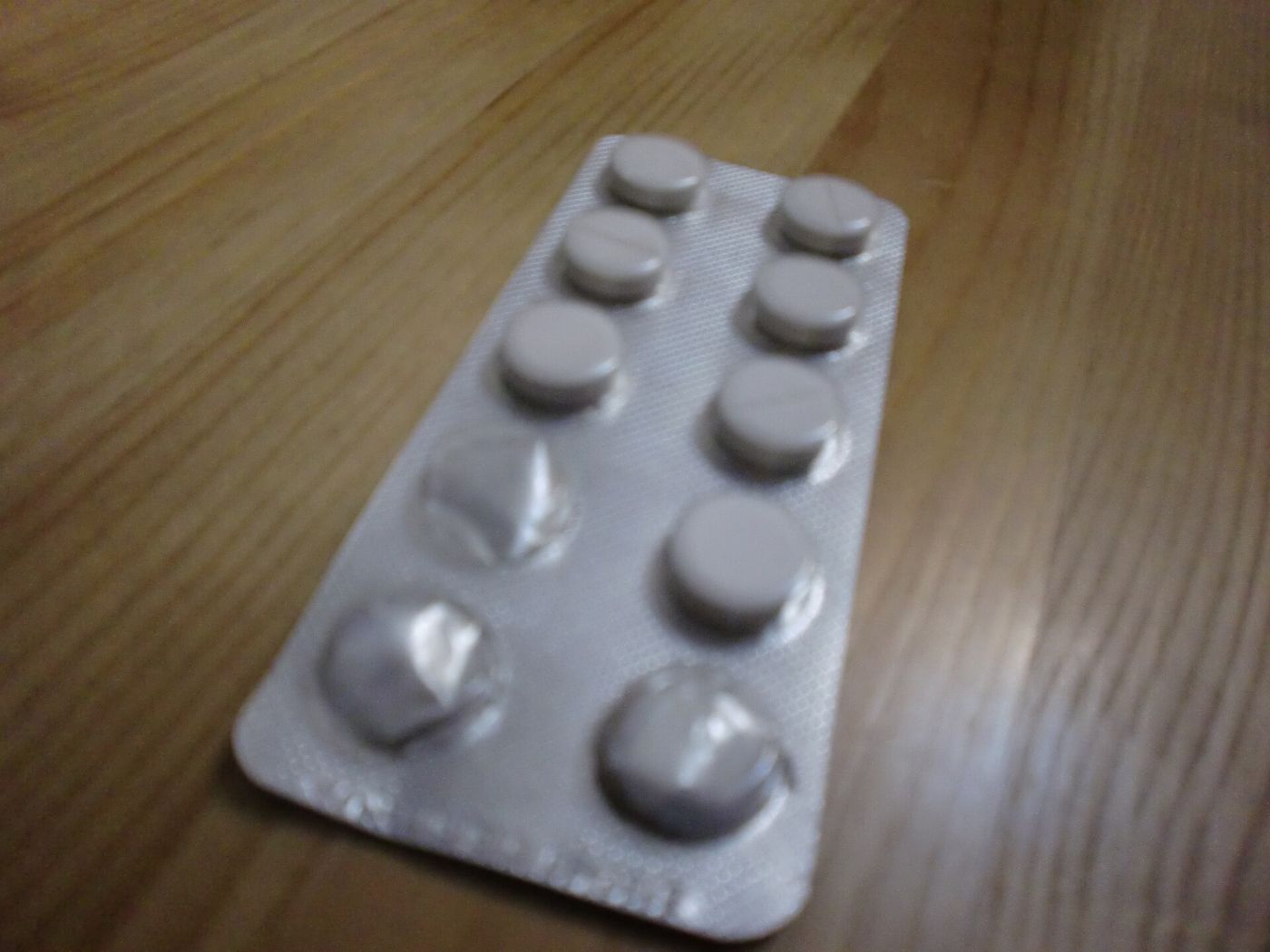
Formulation Science Common Excipients in Peptide Formulations
What bulking agents, buffers, surfactants and preservatives such as benzyl alcohol each contribute to a peptide formulation, and how to record them.
EMElena Marsh~5 min read
 Formulation
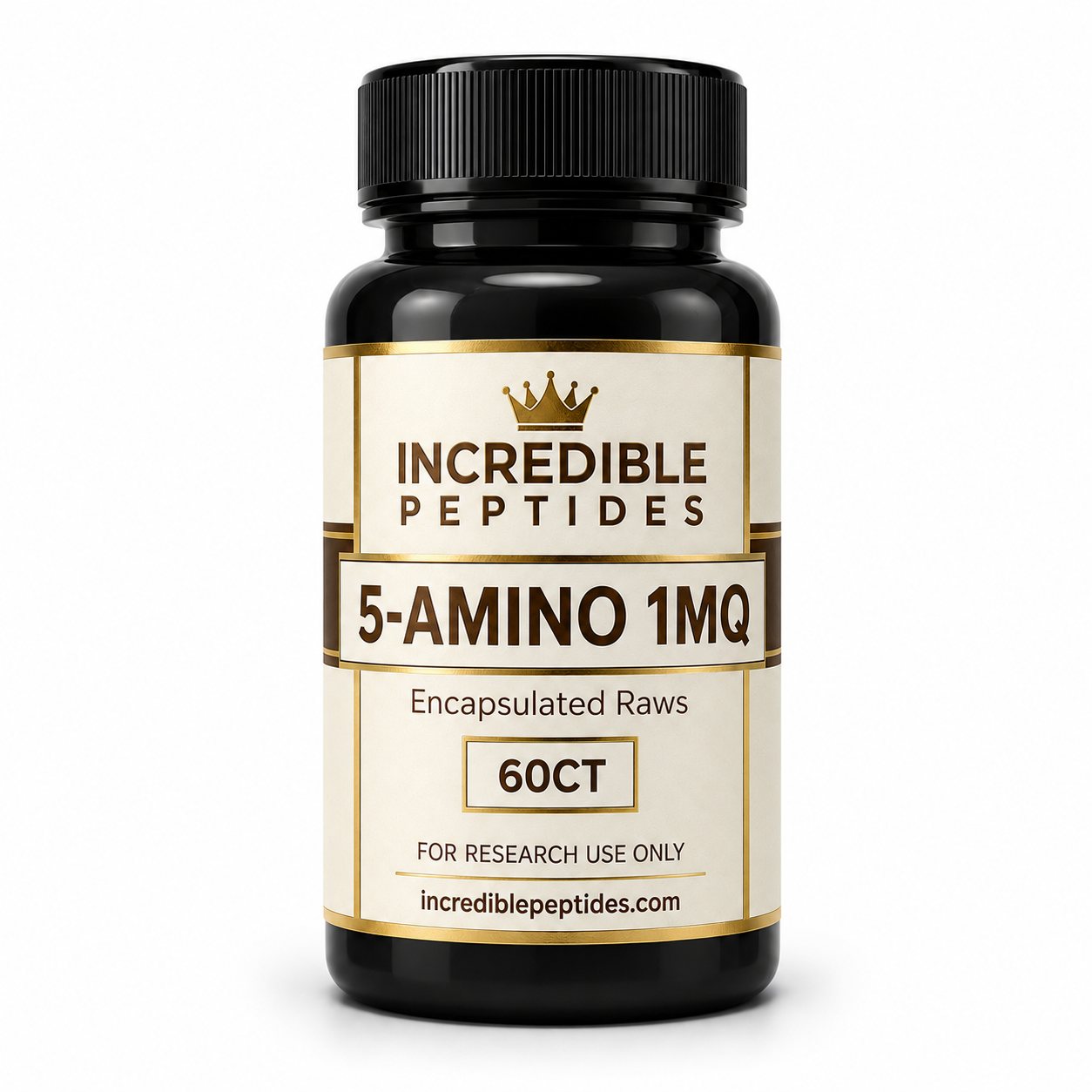
 Science Capsule Formulation and Quality Testing
How capsule research material is formulated and filled, and which quality tests apply, from content uniformity to dissolution and the capsule COA.
EMElena Marsh~6 min read
Analytical QCPhoto: Nadine90 / Wikimedia Commons, CC BY-SA 3.0
Analytical Testing HPLC Peptide Purity Testing: How It Works
How reversed-phase HPLC separates a peptide from synthesis impurities, how area-percent purity is calculated, and what the method cannot detect.
EMElena Marsh~6 min read
 Analytical QCPhoto: Nadine90 / Wikimedia Commons, CC BY-SA 3.0
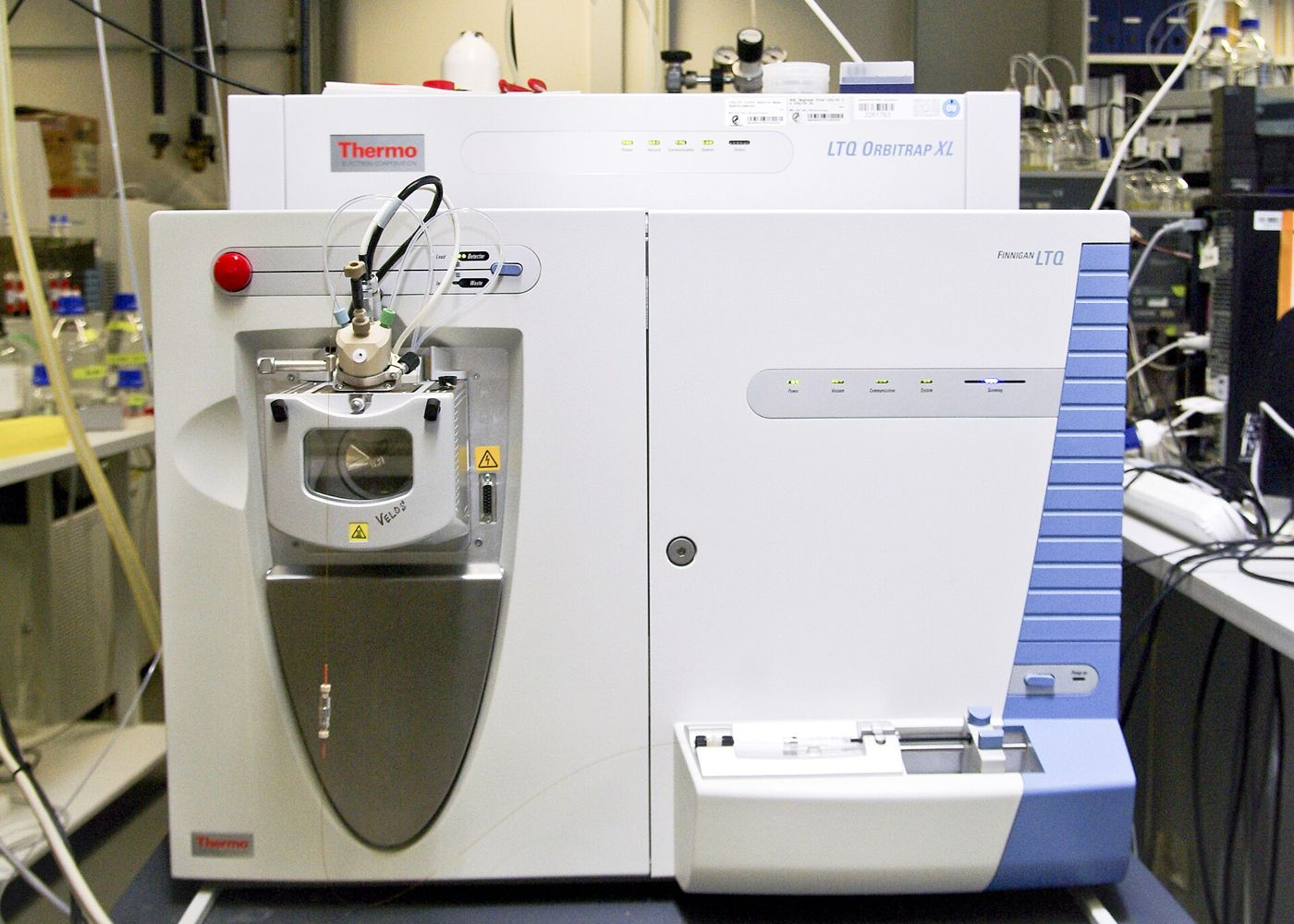
Analytical Testing Mass Spectrometry for Peptide Identity Testing
How mass spectrometry confirms that a peptide has the expected molecular mass, how ESI spectra are deconvolved, and why mass alone is not the whole story.
EMElena Marsh~6 min read
Analytical QCPhoto: Nadine90 / Wikimedia Commons, CC BY-SA 3.0
Analytical Testing How to Read a Peptide Certificate of Analysis (COA)
What a peptide COA reports, how to read each field, and how to check that a certificate matches the vial in front of you.
EMElena Marsh~6 min read
 Analytical QCPhoto: Kreecher / Wikimedia Commons
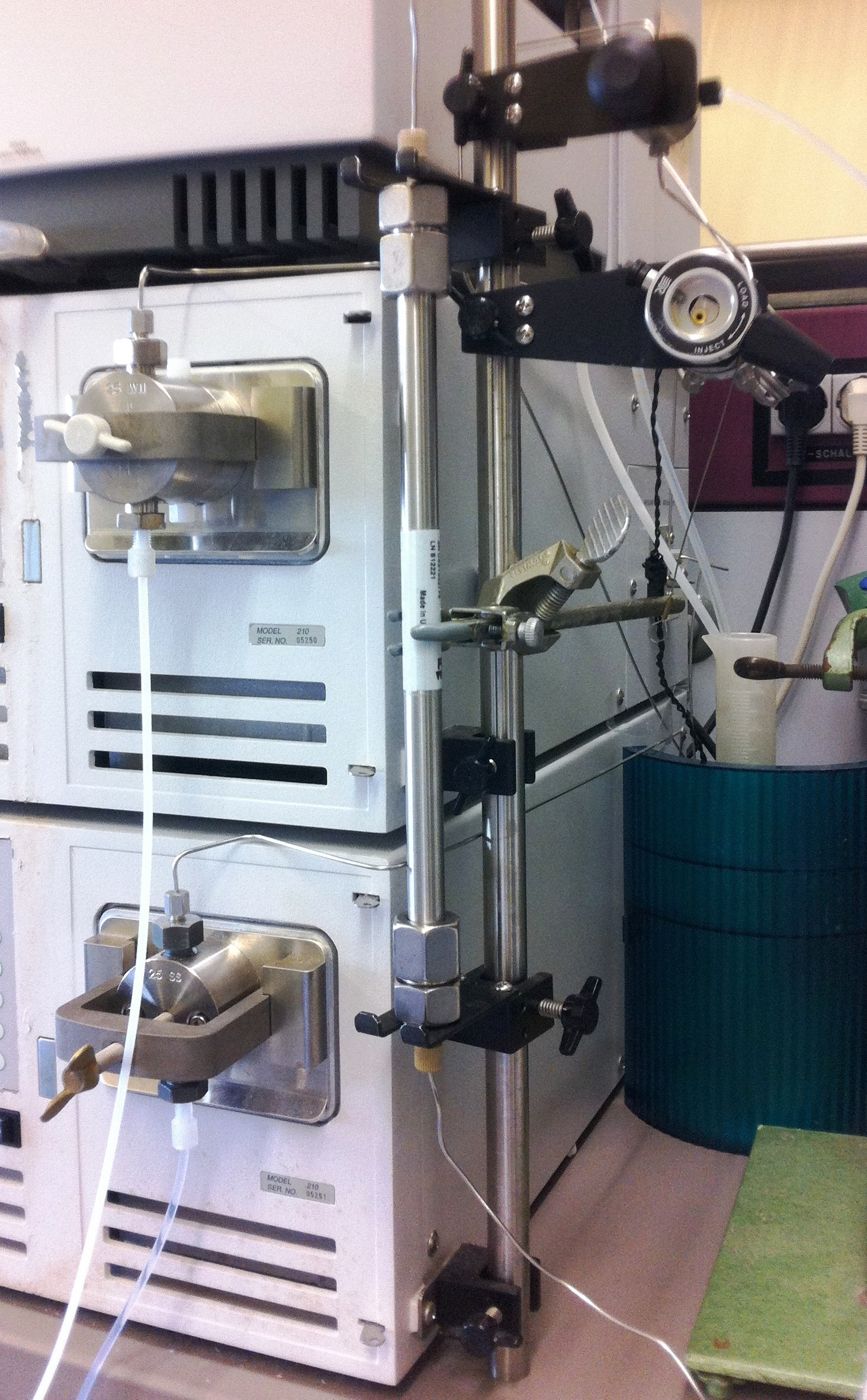
Analytical Testing Purity vs. Identity Testing: What’s the Difference?
Why a peptide sample can be pure but the wrong molecule, or the right molecule at low purity, and which analytical tests address each question.
EMElena Marsh~5 min read
Analytical QC
Analytical Testing Batch Traceability and Lot Numbers Explained
How lot numbers connect a vial to its production and testing records, and how to keep that link intact inside your own lab.
EMElena Marsh~6 min read
StabilityPhoto: Millrock / Wikimedia Commons, Public domain
Stability and Storage Peptide Stability and Degradation Pathways
The main chemical and physical routes by which peptides degrade, how they appear in analytical data, and how stability studies are designed.
EMElena Marsh~6 min read
 StabilityPhoto: Nadine90 / Wikimedia Commons, CC BY-SA 3.0
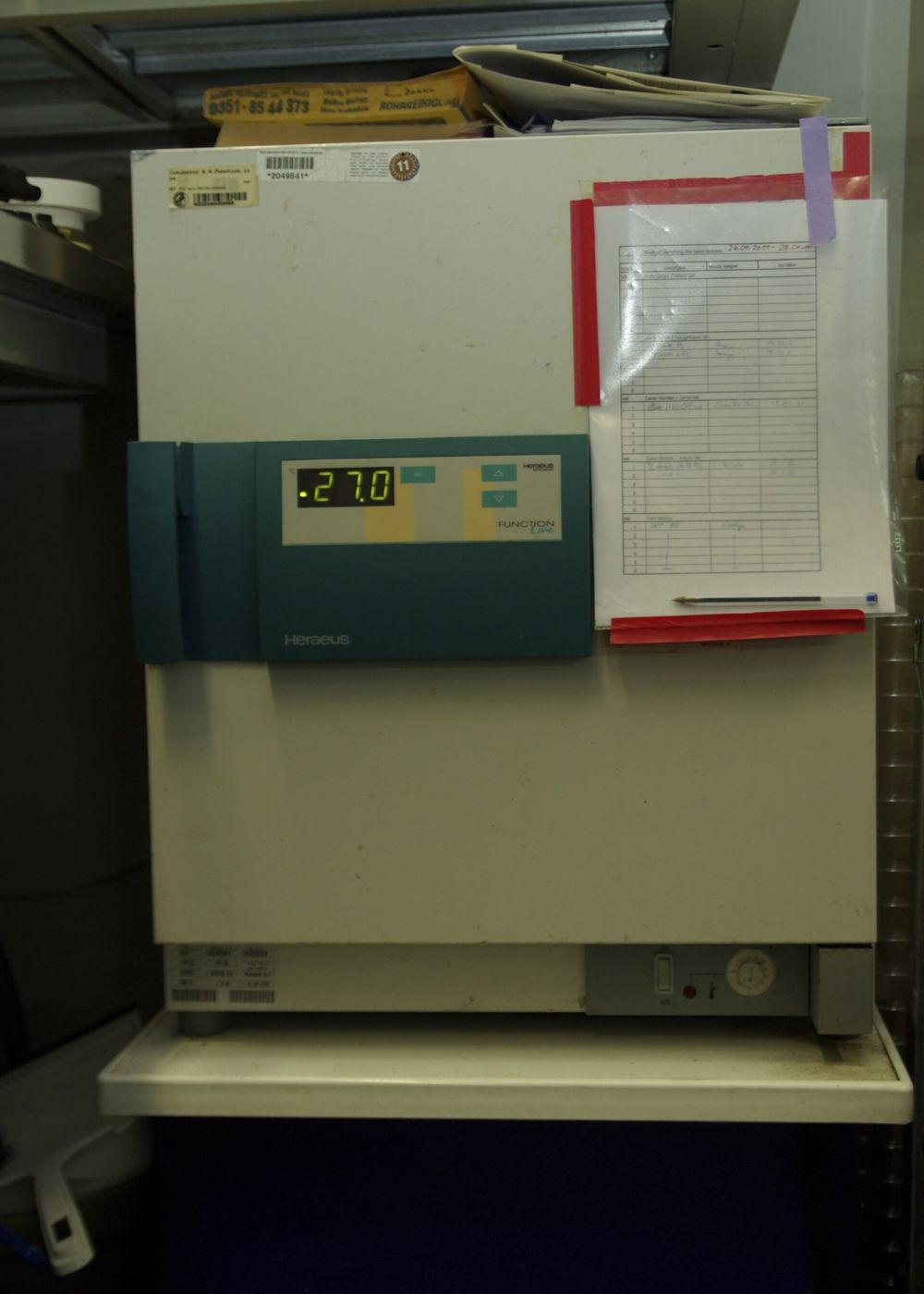
Stability and Storage How Temperature Affects Peptide Stability
How temperature drives peptide degradation, what freeze-thaw cycles do to solutions, and how to judge shipping excursions.
EMElena Marsh~5 min read
 StabilityPhoto: Lilly_M / Wikimedia Commons, CC BY-SA 3.0
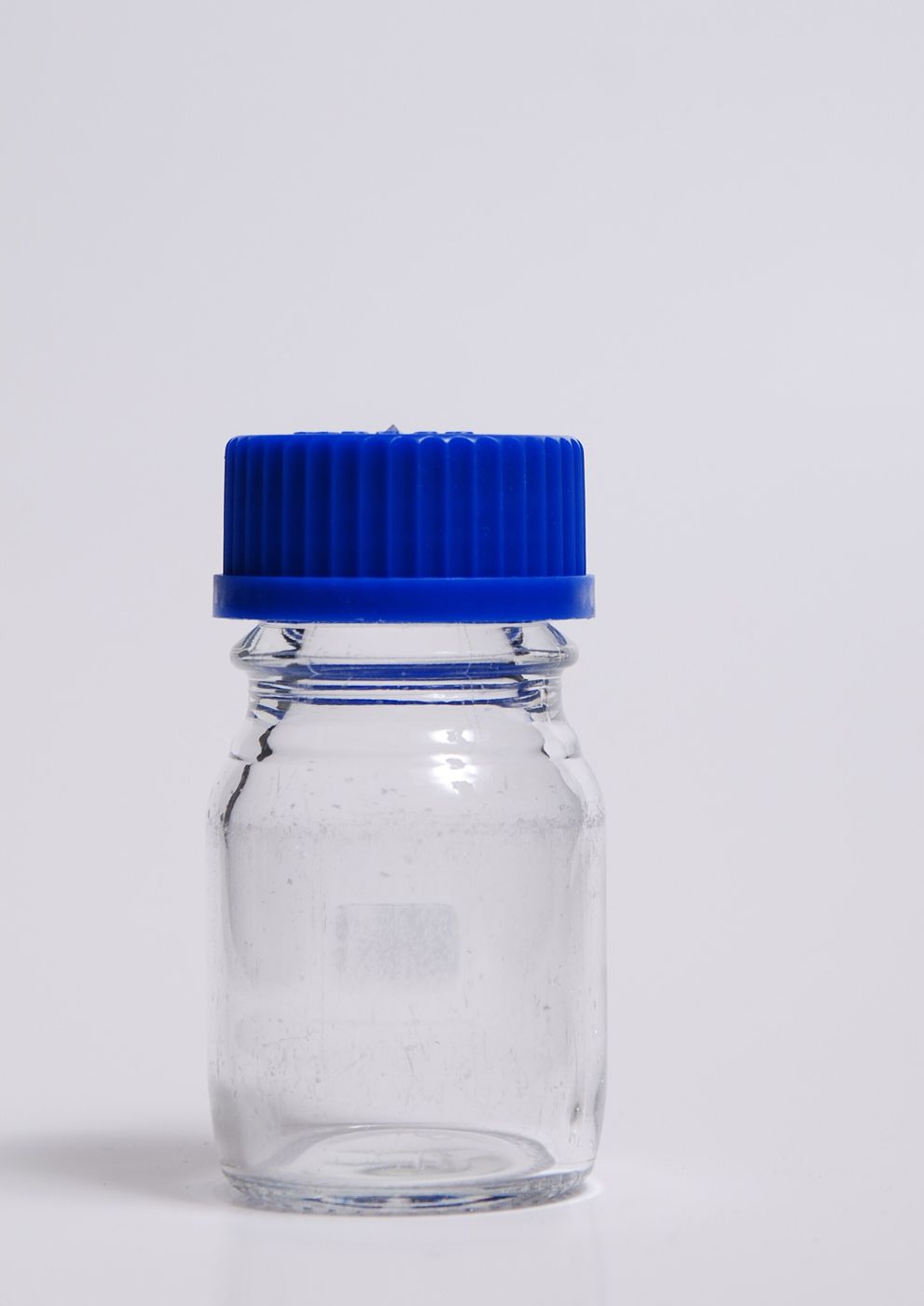
Stability and Storage Peptide Light and Moisture Sensitivity
Why some residues are light-sensitive, how moisture accelerates degradation in lyophilized peptides, and which packaging and handling steps help.
EMElena Marsh~5 min read