Research Blog
Peptide Research: Testing, Stability & Methods
Cited, educational articles on peptide chemistry, HPLC and mass spec testing, stability, storage and research methods. For research use only.
 SynthesisPhoto: Lilly_M / Wikimedia Commons, CC BY-SA 3.0
Peptide Synthesis Fmoc Chemistry in Peptide Synthesis: Fmoc vs Boc
How the Fmoc group works, how Fmoc/tBu compares with Boc/Bzl chemistry, and how coupling choices show up as impurities in analytical data.
 EMElena Marsh~5 min read
 SynthesisPhoto: Gannu03 / Wikimedia Commons
Peptide Synthesis Solid-Phase Peptide Synthesis (SPPS) Explained
How SPPS works, from Merrifield's resin-bound chain to modern automated synthesizers, and why some peptide sequences remain difficult to assemble.
EMElena Marsh~5 min read
 Synthesis
Peptide Synthesis Peptide Synthesis: How Research Peptides Are Made
A practical overview of how research peptides are made, from protecting groups and coupling chemistry to cleavage, purification and release testing.
EMElena Marsh~6 min read
 LiteraturePhoto: CCAC North Library / Wikimedia Commons, CC BY 2.0
Scientific Literature How to Evaluate Scientific Sources
Telling peer-reviewed research from preprints, press releases and marketing, checking a citation, and weighing conflicts of interest.
 DODaniel Okafor~5 min read
 LiteraturePhoto / Wikimedia Commons
Scientific Literature How to Read a Scientific Study on Peptides
How to read a peptide paper: study type, sample size, controls, and the difference between preliminary and established findings.
DODaniel Okafor~5 min read
 RUO
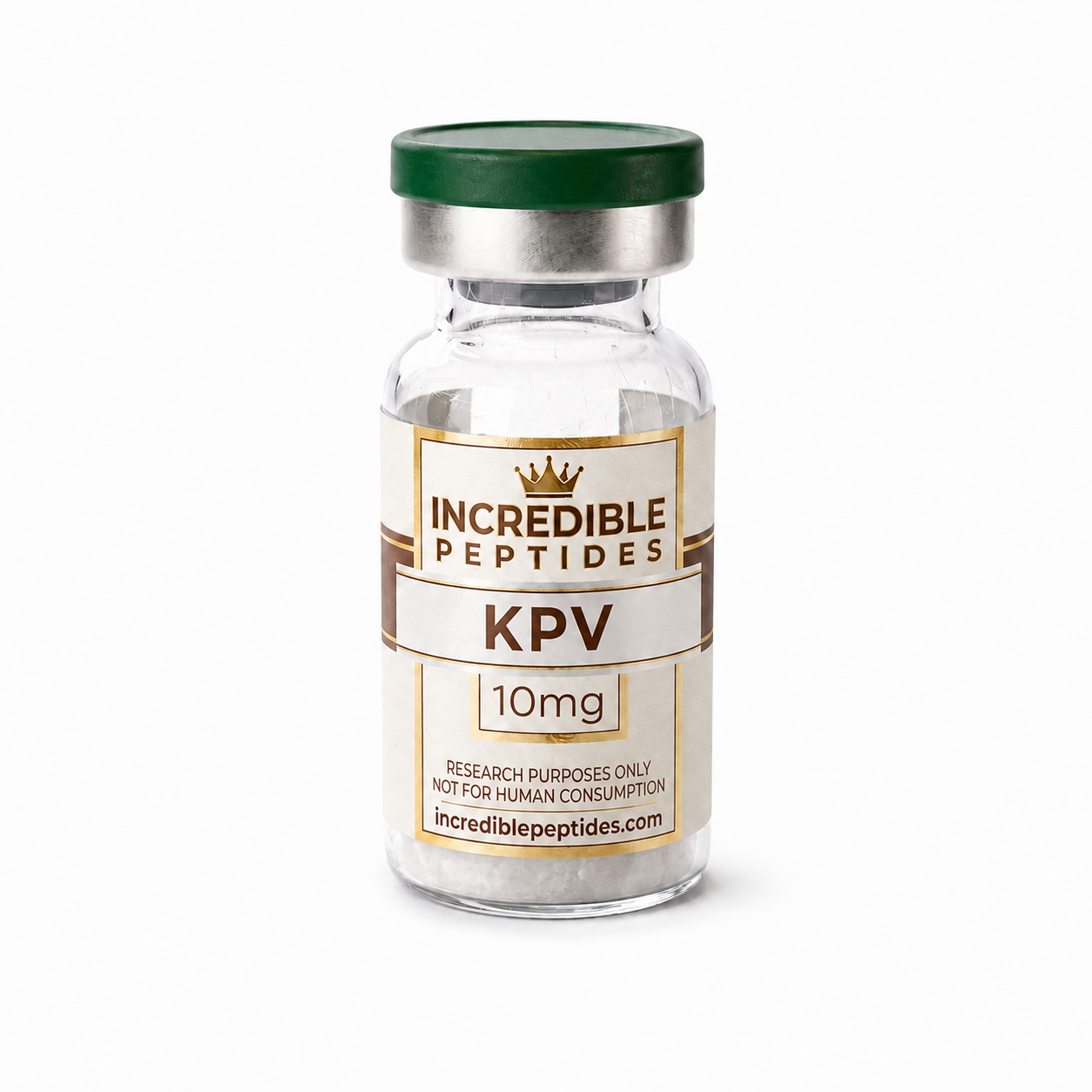
Research Use Only Research Material Labeling: What Each Element Means
What appears on a research-material label, from identity and lot number to the RUO statement, storage and hazard information, and why each element is there.
DODaniel Okafor~5 min read
 RUO
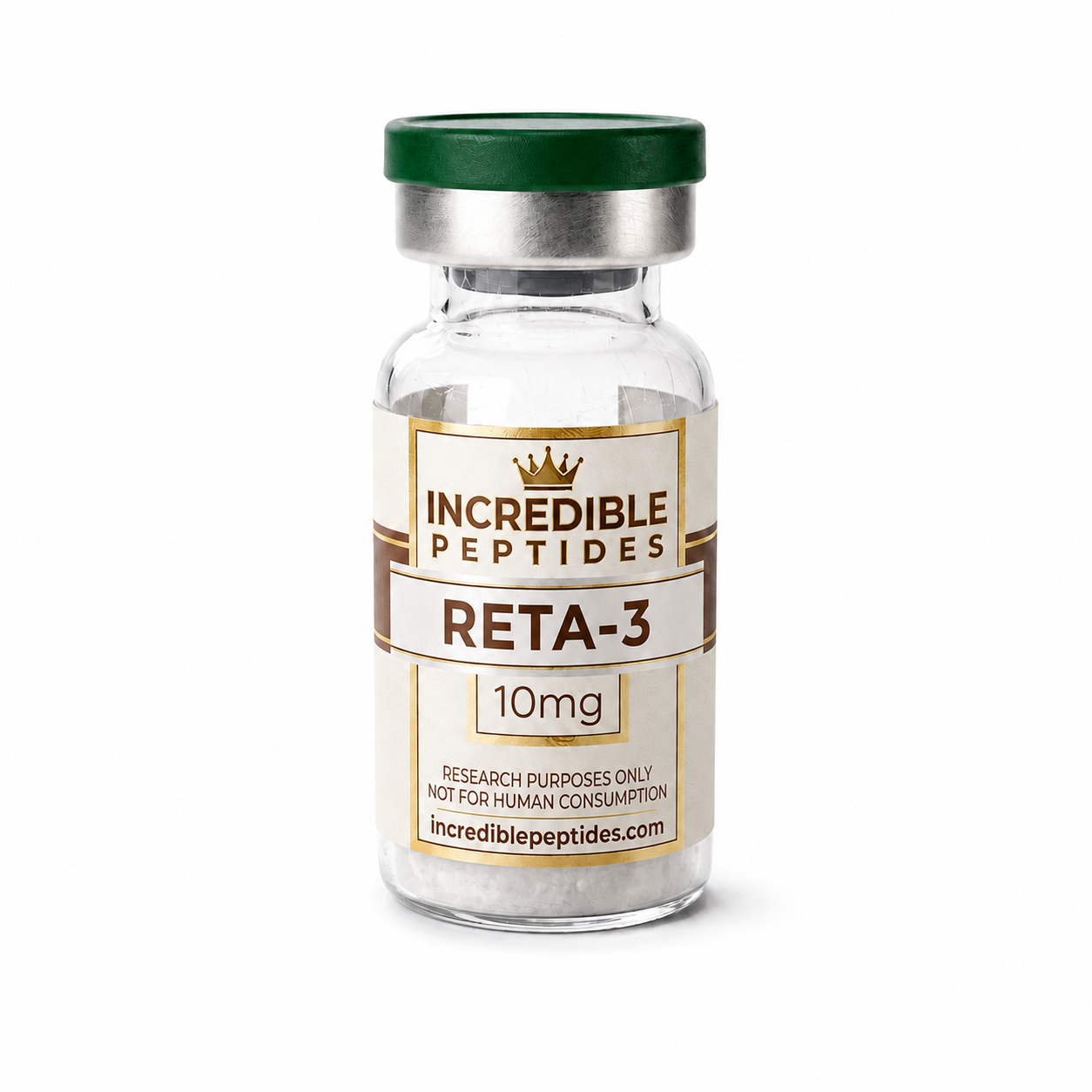
Research Use Only What Does “Research Use Only” (RUO) Mean?
What the RUO label signals, where the term comes from, what it does not permit, and why a disclaimer alone does not make a sale lawful.
DODaniel Okafor~6 min read
 Formulation
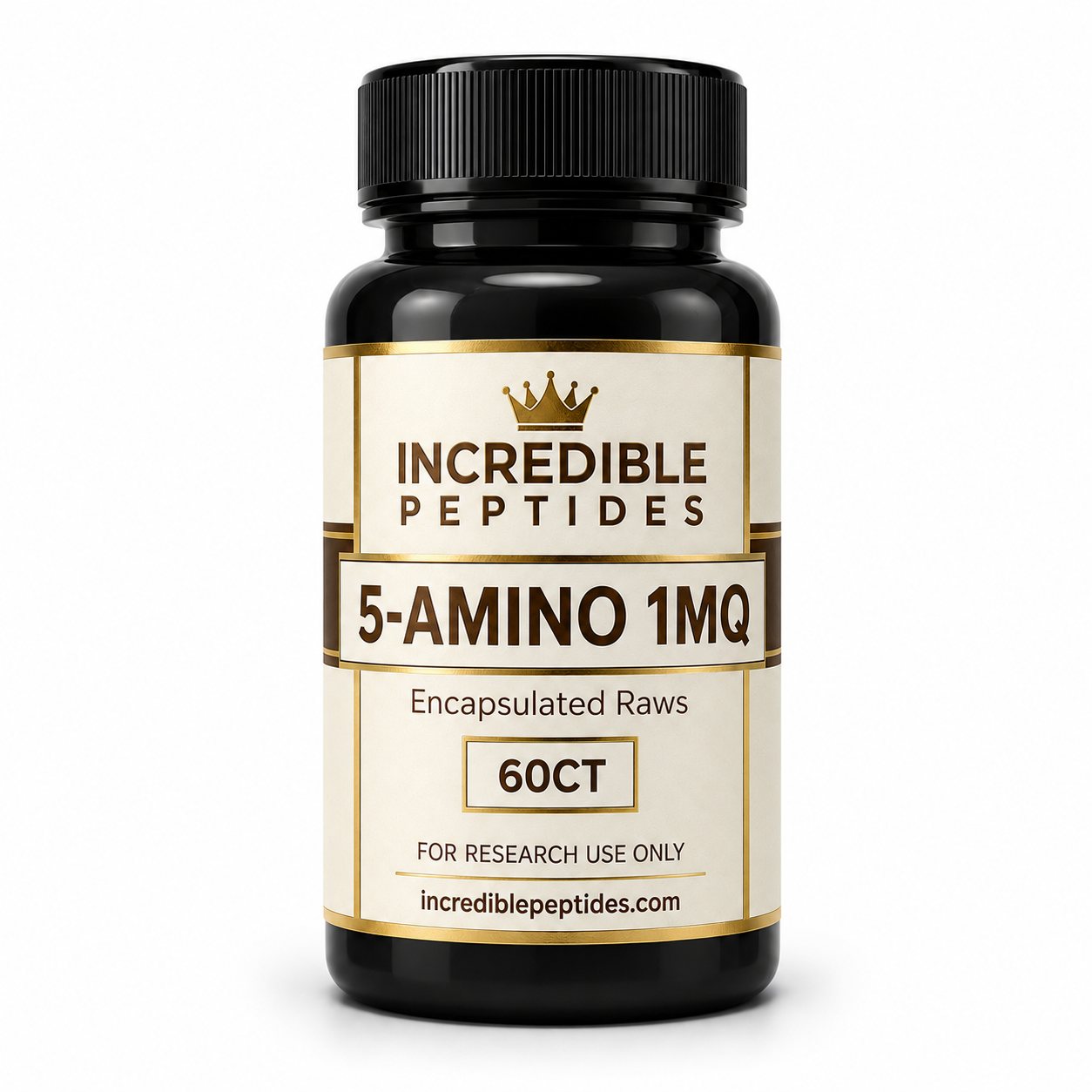
 Science Capsule Formulation and Quality Testing
How capsule research material is formulated and filled, and which quality tests apply, from content uniformity to dissolution and the capsule COA.
EMElena Marsh~6 min read
 FormulationPhoto: VictorMartin / Wikimedia Commons, Public domain
Formulation Science Common Excipients in Peptide Formulations
What bulking agents, buffers, surfactants and preservatives such as benzyl alcohol each contribute to a peptide formulation, and how to record them.
EMElena Marsh~5 min read
Educational content for research use only. Not for human consumption. Nothing here is medical advice or a claim about safety or efficacy.