
Research Blog
Peptide Research: Testing, Stability & Methods
Cited, educational articles on peptide chemistry, HPLC and mass spec testing, stability, storage and research methods. For research use only.
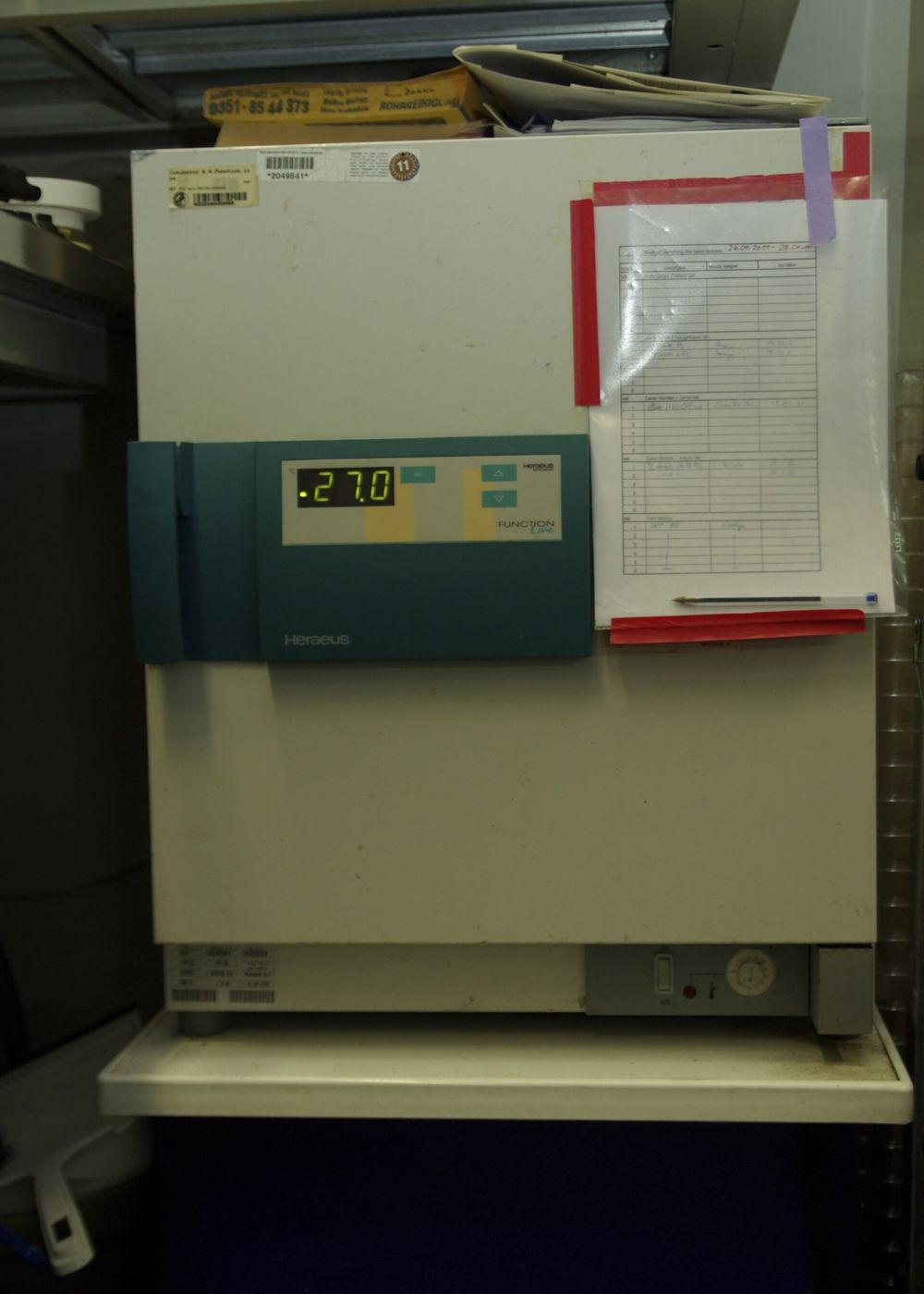 StabilityPhoto: Nadine90 / Wikimedia Commons, CC BY-SA 3.0
Stability and Storage How Temperature Affects Peptide Stability
How temperature drives peptide degradation, what freeze-thaw cycles do to solutions, and how to judge shipping excursions.
 EMElena Marsh~5 min read
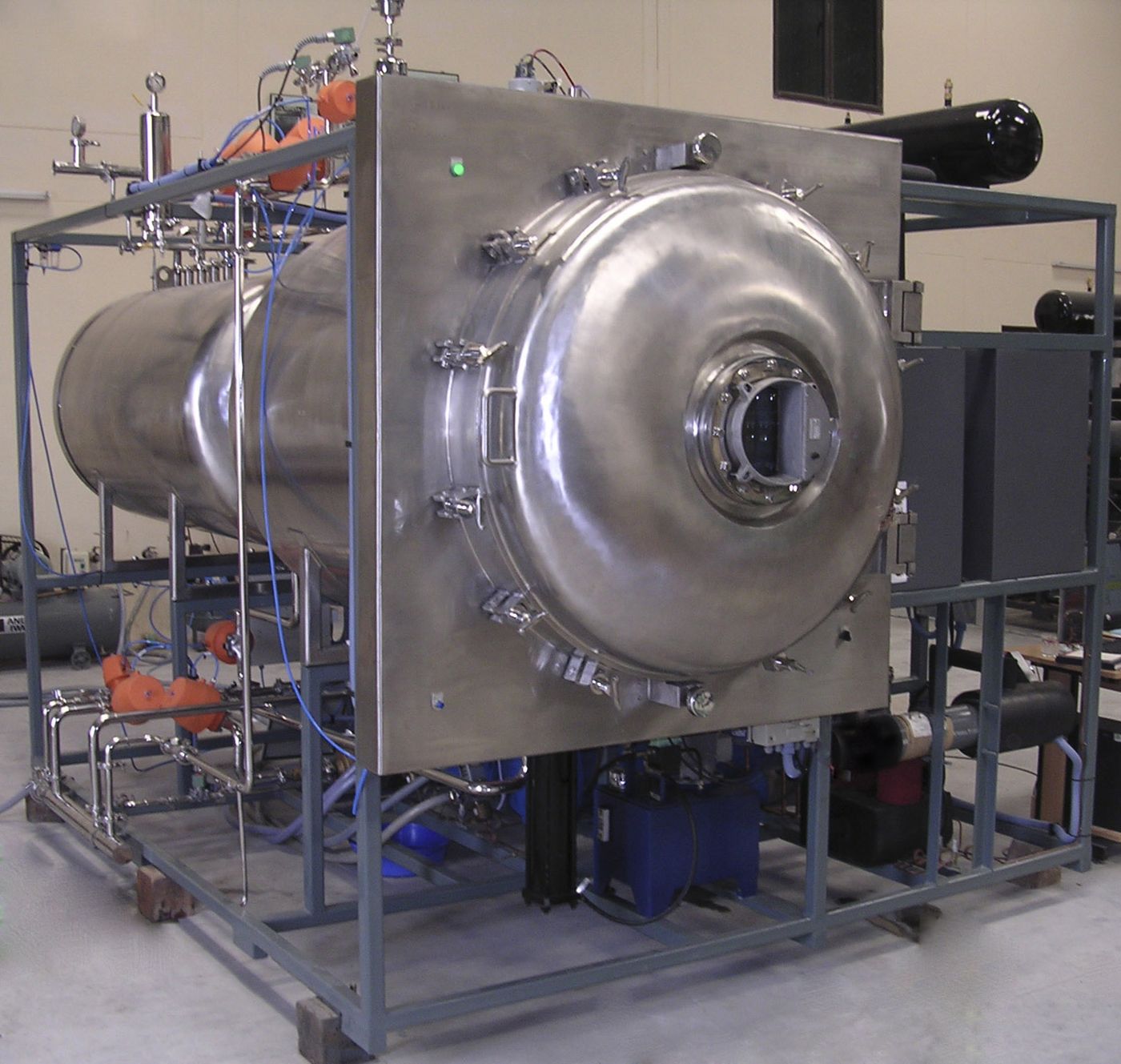 StabilityPhoto: Millrock / Wikimedia Commons, Public domain
Stability and Storage Peptide Stability and Degradation Pathways
The main chemical and physical routes by which peptides degrade, how they appear in analytical data, and how stability studies are designed.
EMElena Marsh~6 min read
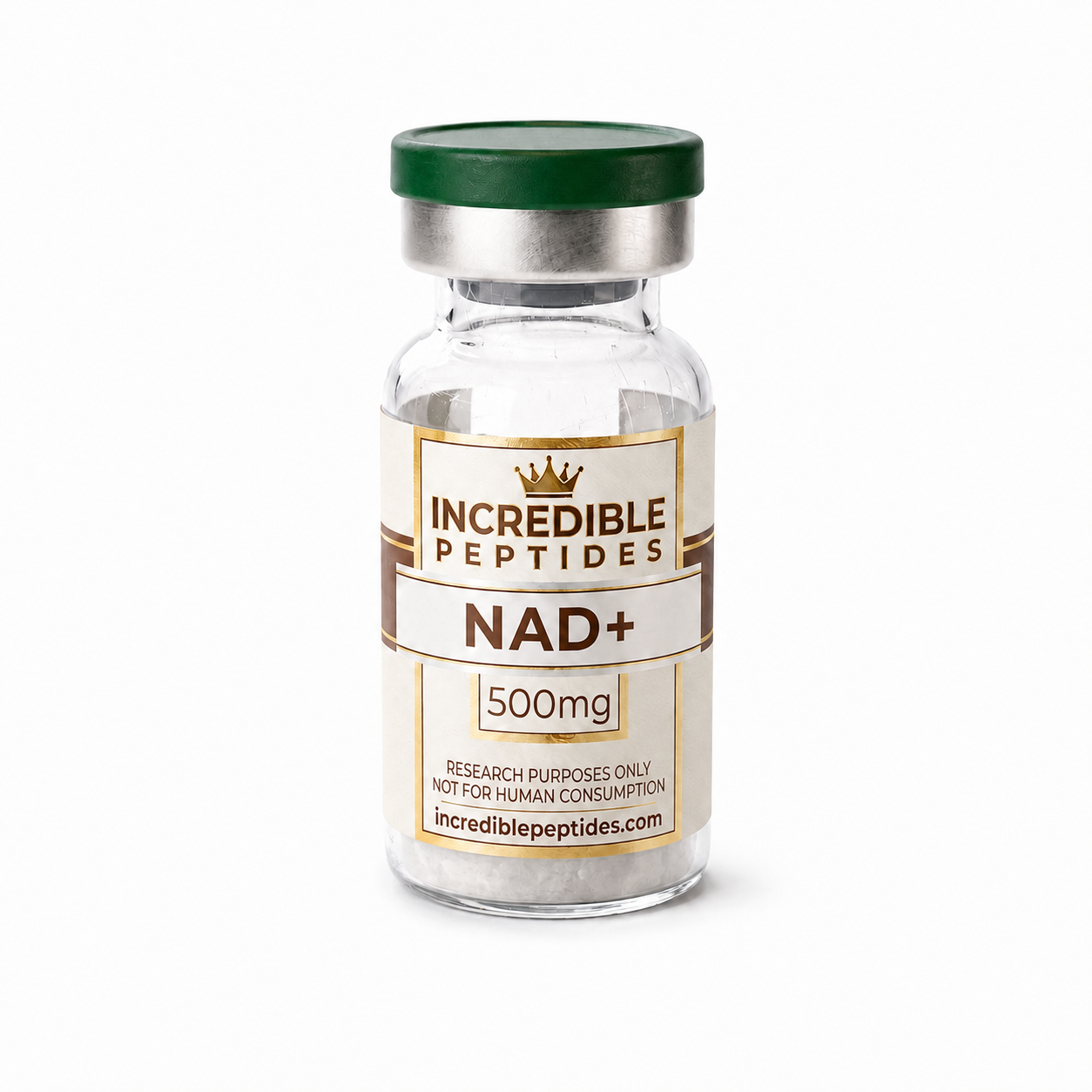 Analytical QC
Analytical Testing Batch Traceability and Lot Numbers Explained
How lot numbers connect a vial to its production and testing records, and how to keep that link intact inside your own lab.
EMElena Marsh~6 min read
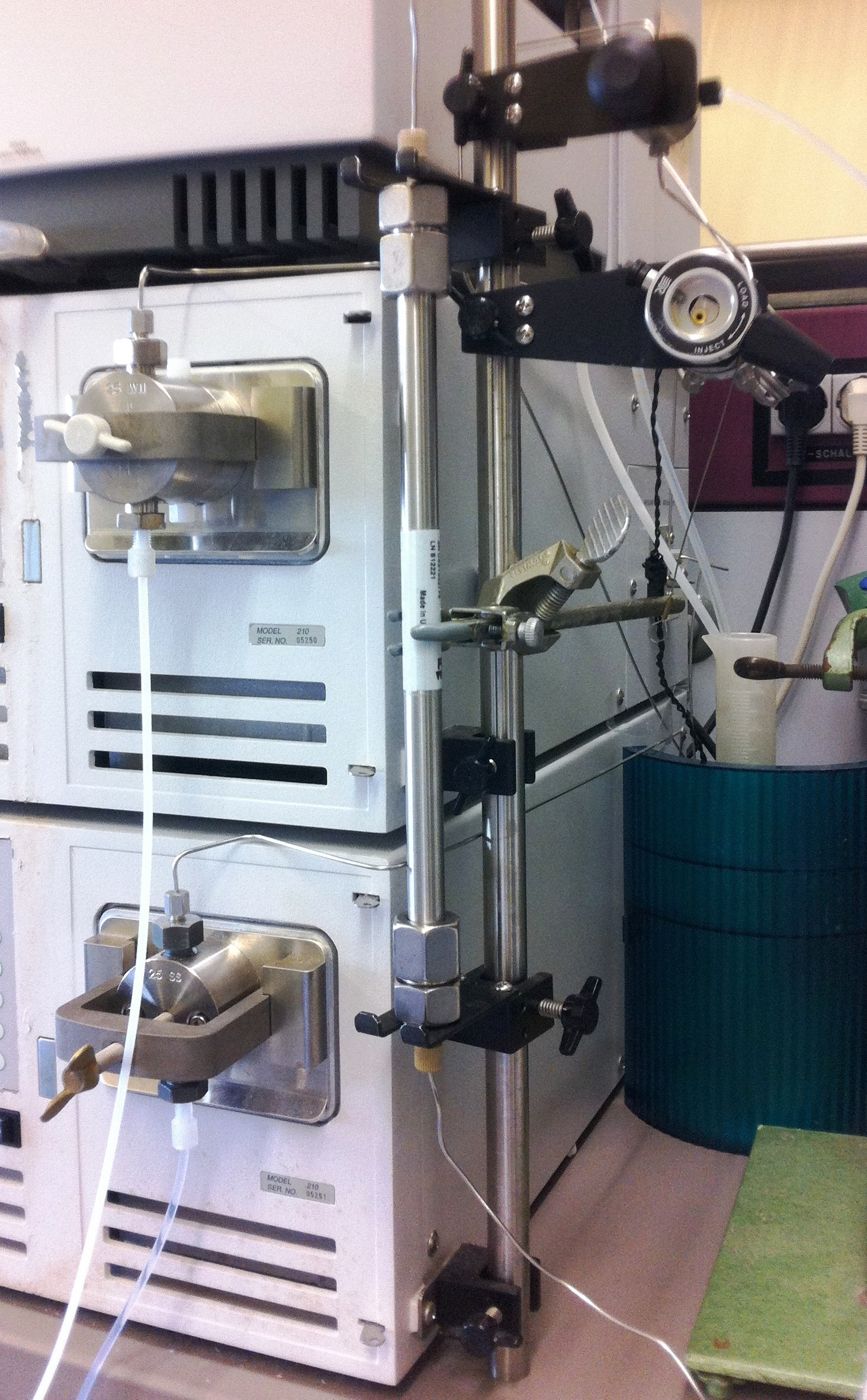 Analytical QCPhoto: Kreecher / Wikimedia Commons
Analytical Testing Purity vs. Identity Testing: What’s the Difference?
Why a peptide sample can be pure but the wrong molecule, or the right molecule at low purity, and which analytical tests address each question.
EMElena Marsh~5 min read
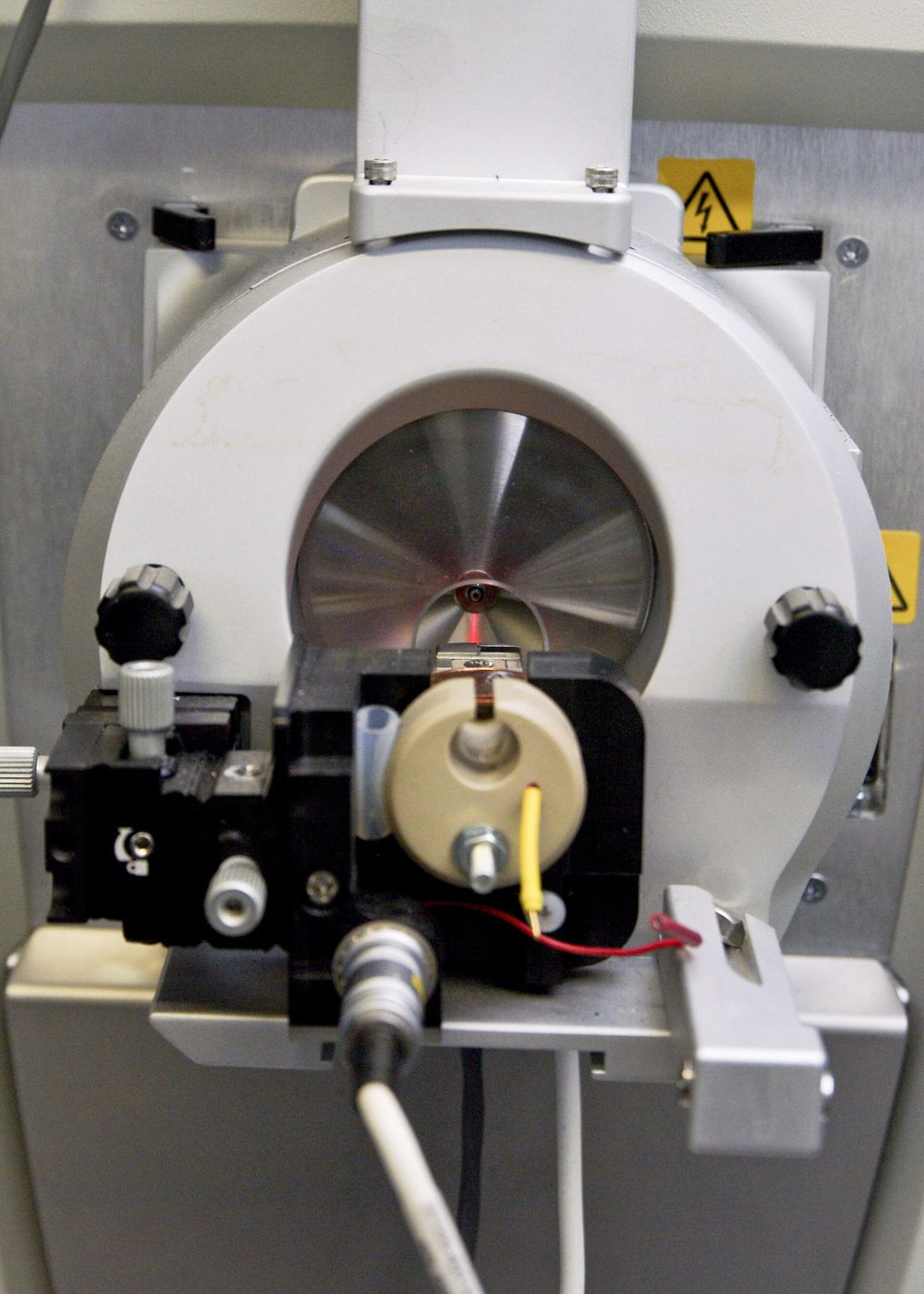 Analytical QCPhoto: Nadine90 / Wikimedia Commons, CC BY-SA 3.0
Analytical Testing How to Read a Peptide Certificate of Analysis (COA)
What a peptide COA reports, how to read each field, and how to check that a certificate matches the vial in front of you.
EMElena Marsh~6 min read
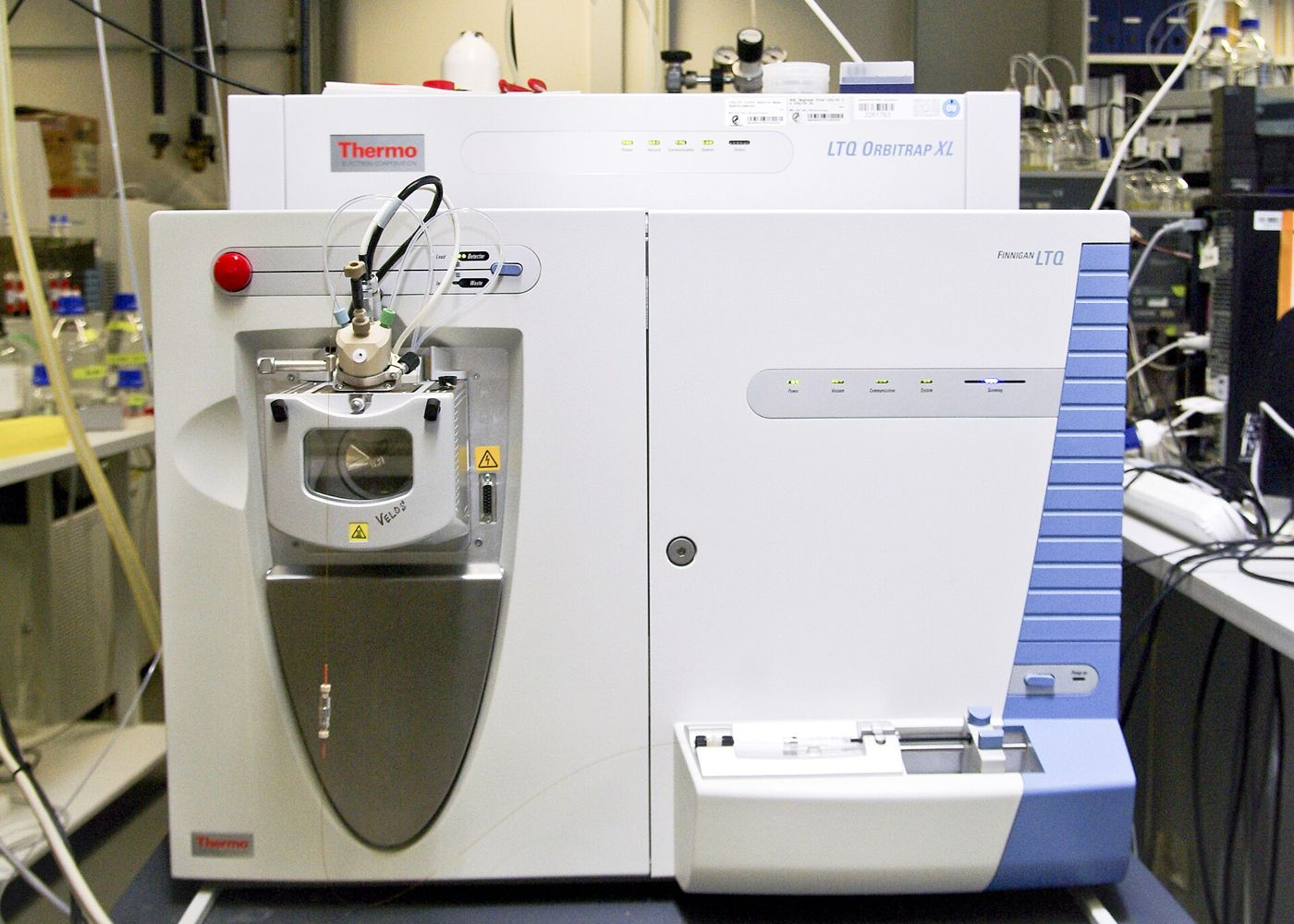 Analytical QCPhoto: Nadine90 / Wikimedia Commons, CC BY-SA 3.0
Analytical Testing Mass Spectrometry for Peptide Identity Testing
How mass spectrometry confirms that a peptide has the expected molecular mass, how ESI spectra are deconvolved, and why mass alone is not the whole story.
EMElena Marsh~6 min read
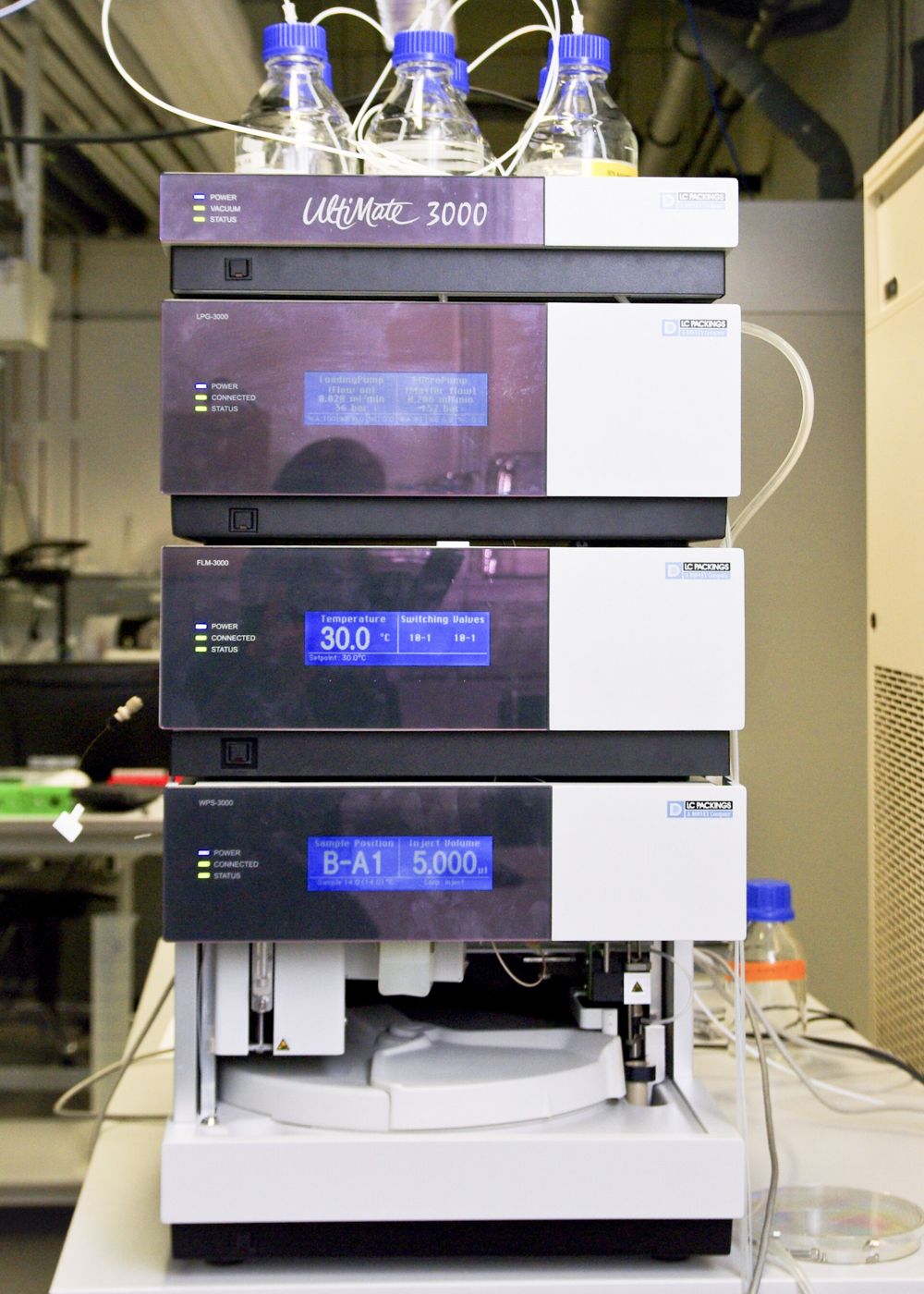 Analytical QCPhoto: Nadine90 / Wikimedia Commons, CC BY-SA 3.0
Analytical Testing HPLC Peptide Purity Testing: How It Works
How reversed-phase HPLC separates a peptide from synthesis impurities, how area-percent purity is calculated, and what the method cannot detect.
EMElena Marsh~6 min read
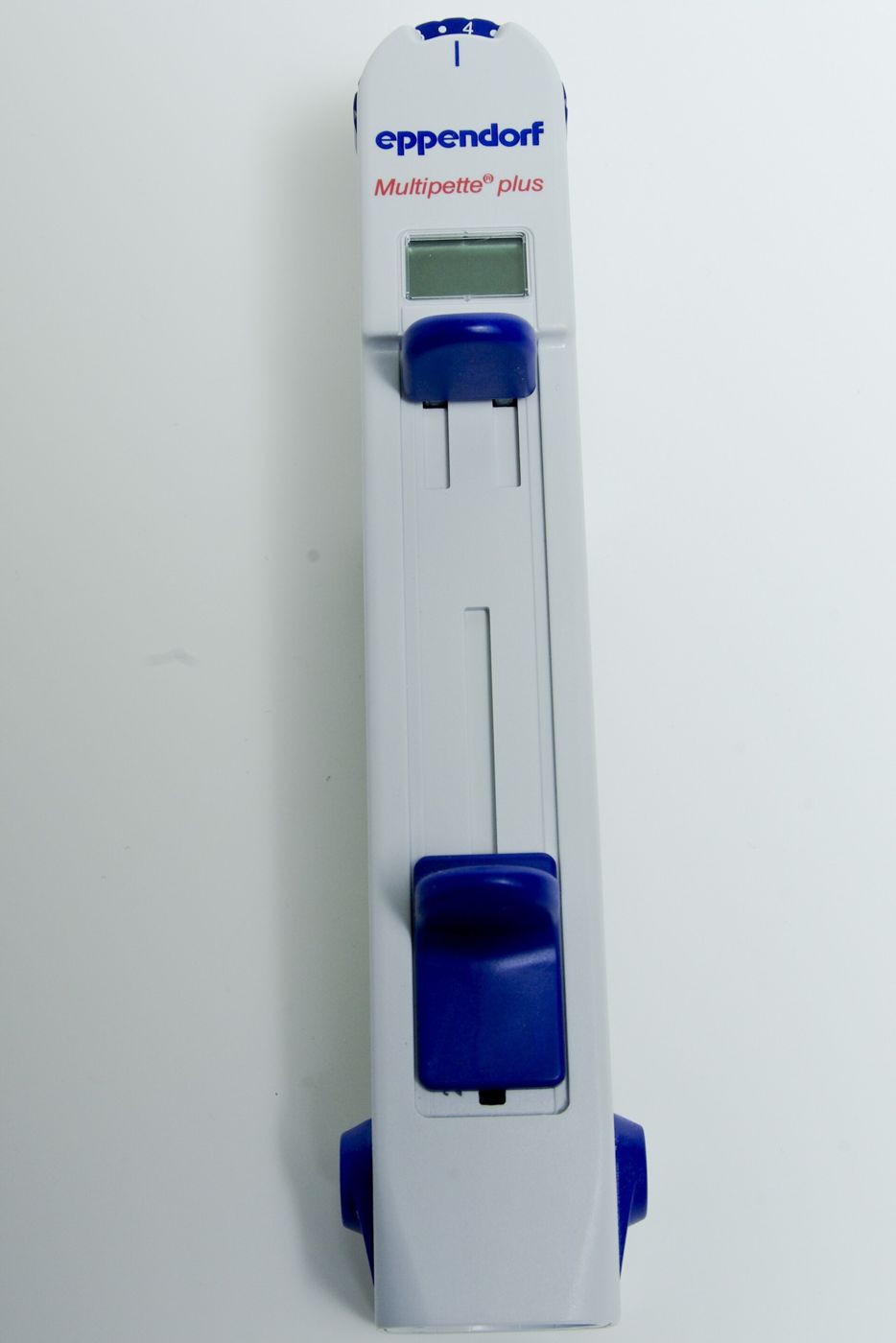 MethodsPhoto: Nadine90 / Wikimedia Commons, CC BY-SA 3.0
Research Methods Lab Documentation and Reproducibility: A Practical Guide
What to record so others can repeat your work: lot numbers, certificates of analysis, storage conditions and preparation steps, with a simple template.
 DODaniel Okafor~5 min read
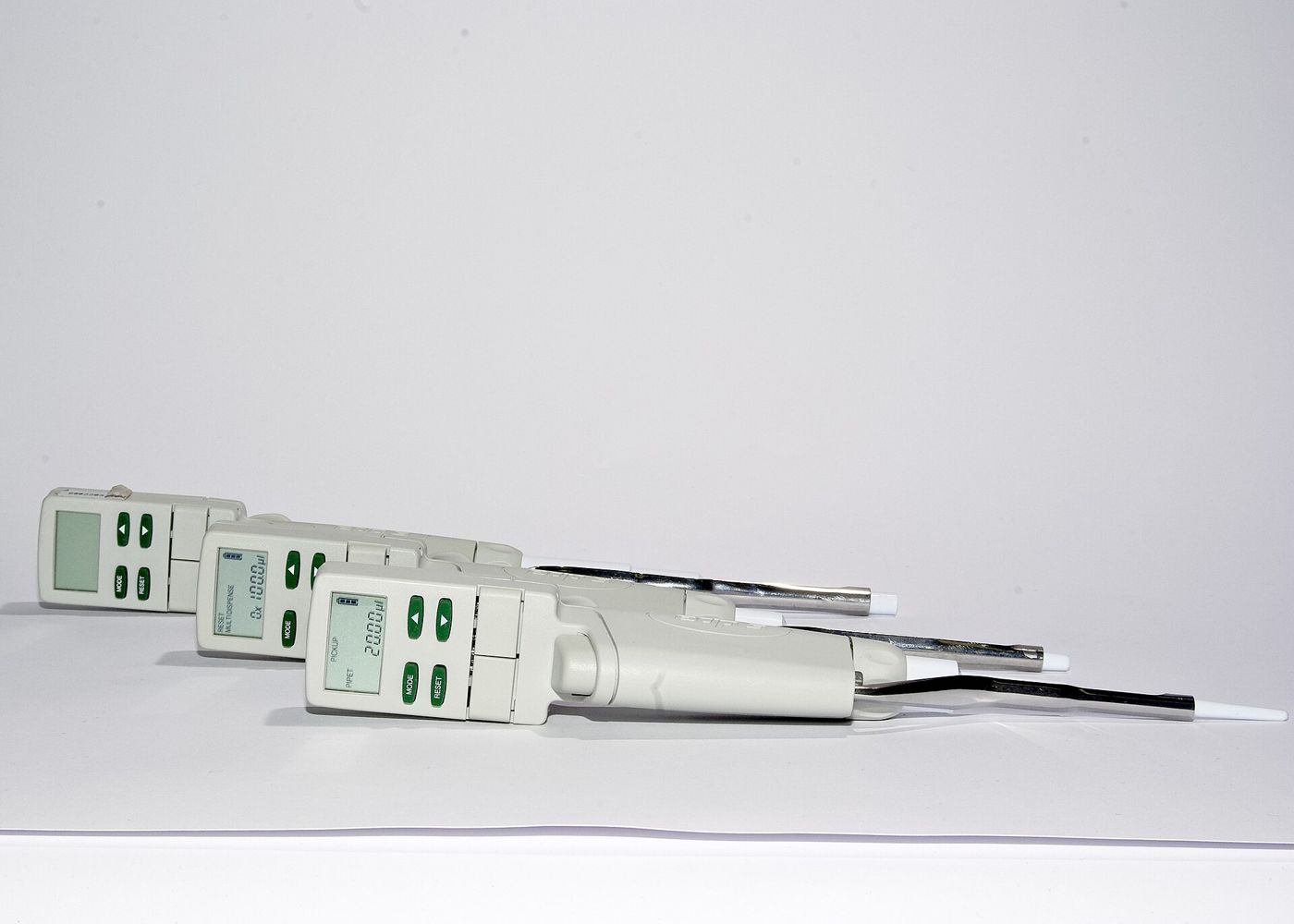 MethodsPhoto: Nadine90 / Wikimedia Commons, CC BY-SA 3.0
Research Methods Experimental Controls in Peptide Research
Vehicle, negative, scrambled-sequence and positive controls, and how each one makes a peptide experiment interpretable.
DODaniel Okafor~5 min read
Educational content for research use only. Not for human consumption. Nothing here is medical advice or a claim about safety or efficacy.