
Research Blog
Analytical Testing
How peptide identity and purity are measured and documented: HPLC, mass spectrometry, molecular weight, certificates of analysis and lot traceability.
 Analytical QCPhoto: Nadine90 / Wikimedia Commons, CC BY-SA 3.0
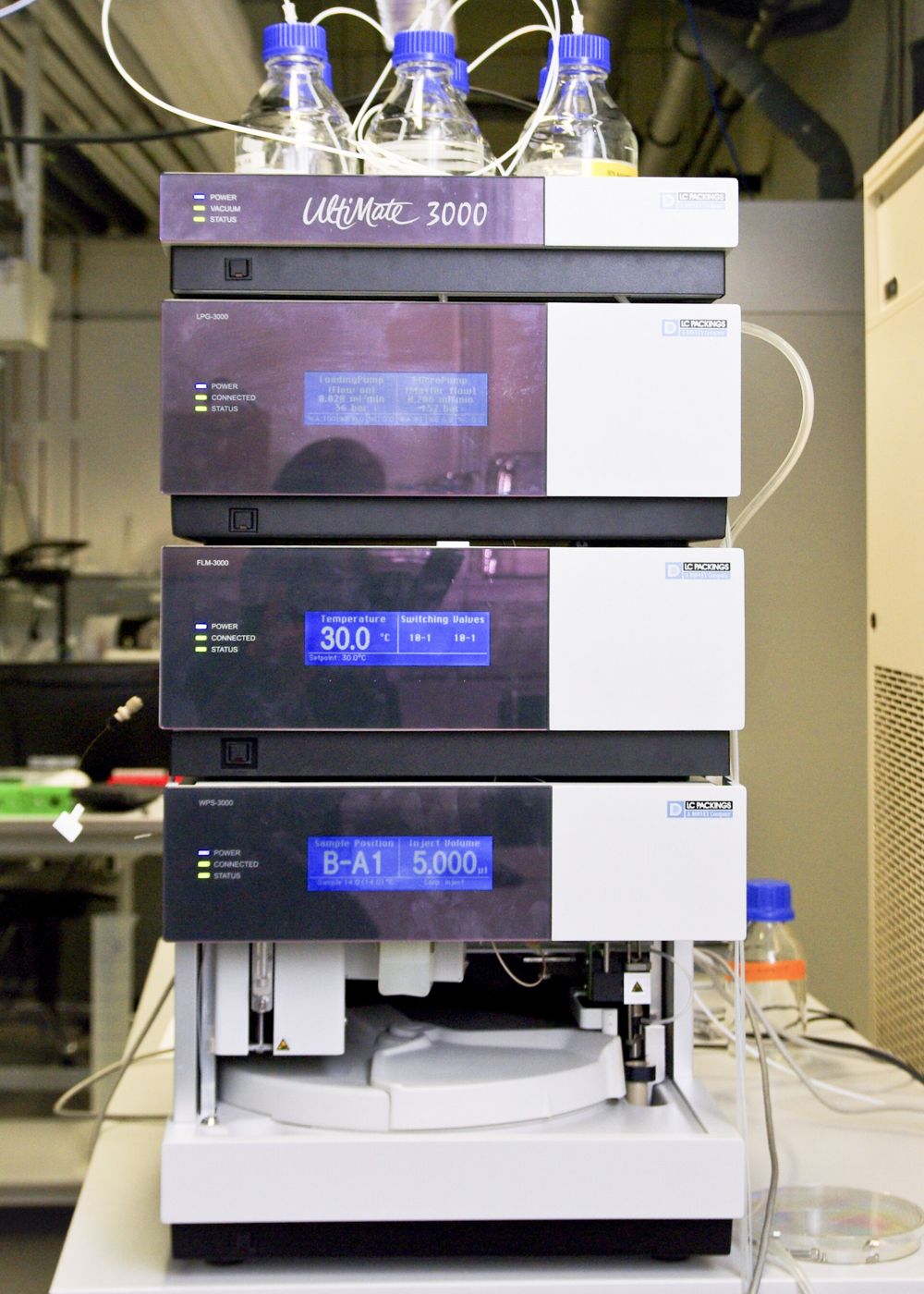
Analytical Testing HPLC Peptide Purity Testing: How It Works
How reversed-phase HPLC separates a peptide from synthesis impurities, how area-percent purity is calculated, and what the method cannot detect.
 EMElena Marsh~6 min read
 Analytical QCPhoto: Nadine90 / Wikimedia Commons, CC BY-SA 3.0
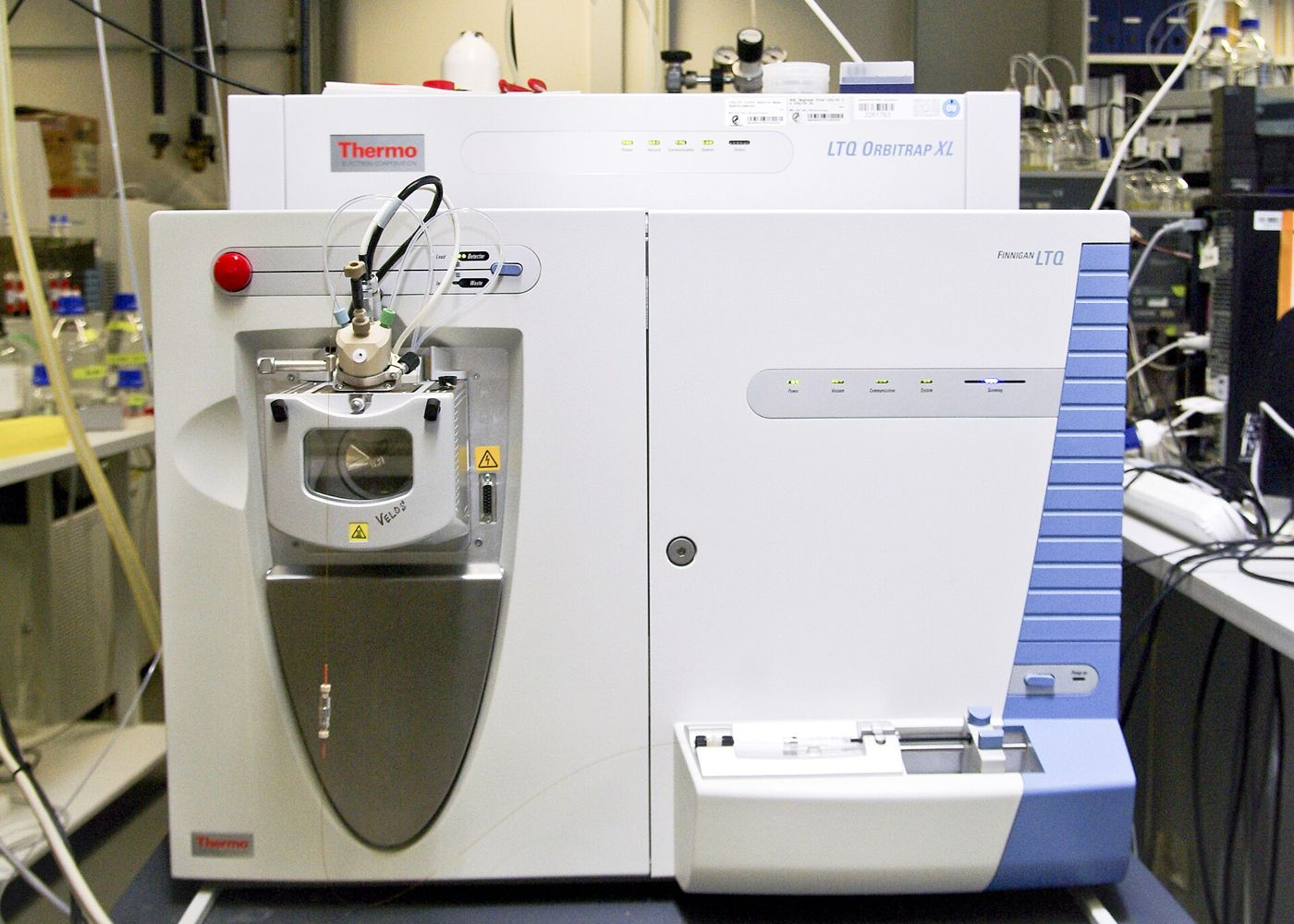
Analytical Testing Mass Spectrometry for Peptide Identity Testing
How mass spectrometry confirms that a peptide has the expected molecular mass, how ESI spectra are deconvolved, and why mass alone is not the whole story.
EMElena Marsh~6 min read
 Analytical QCPhoto: Nadine90 / Wikimedia Commons, CC BY-SA 3.0
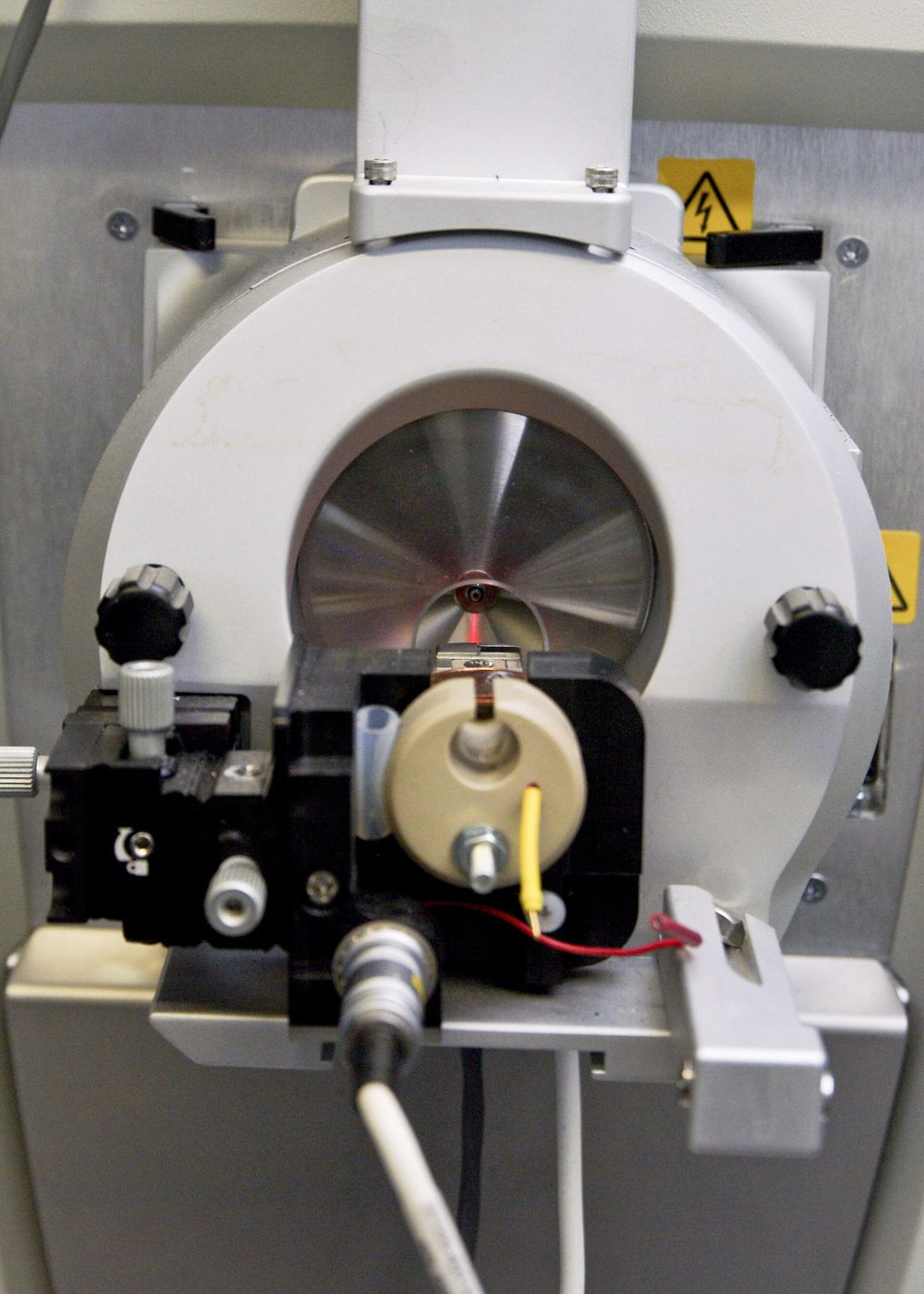
Analytical Testing How to Read a Peptide Certificate of Analysis (COA)
What a peptide COA reports, how to read each field, and how to check that a certificate matches the vial in front of you.
EMElena Marsh~6 min read
 Analytical QCPhoto: Kreecher / Wikimedia Commons
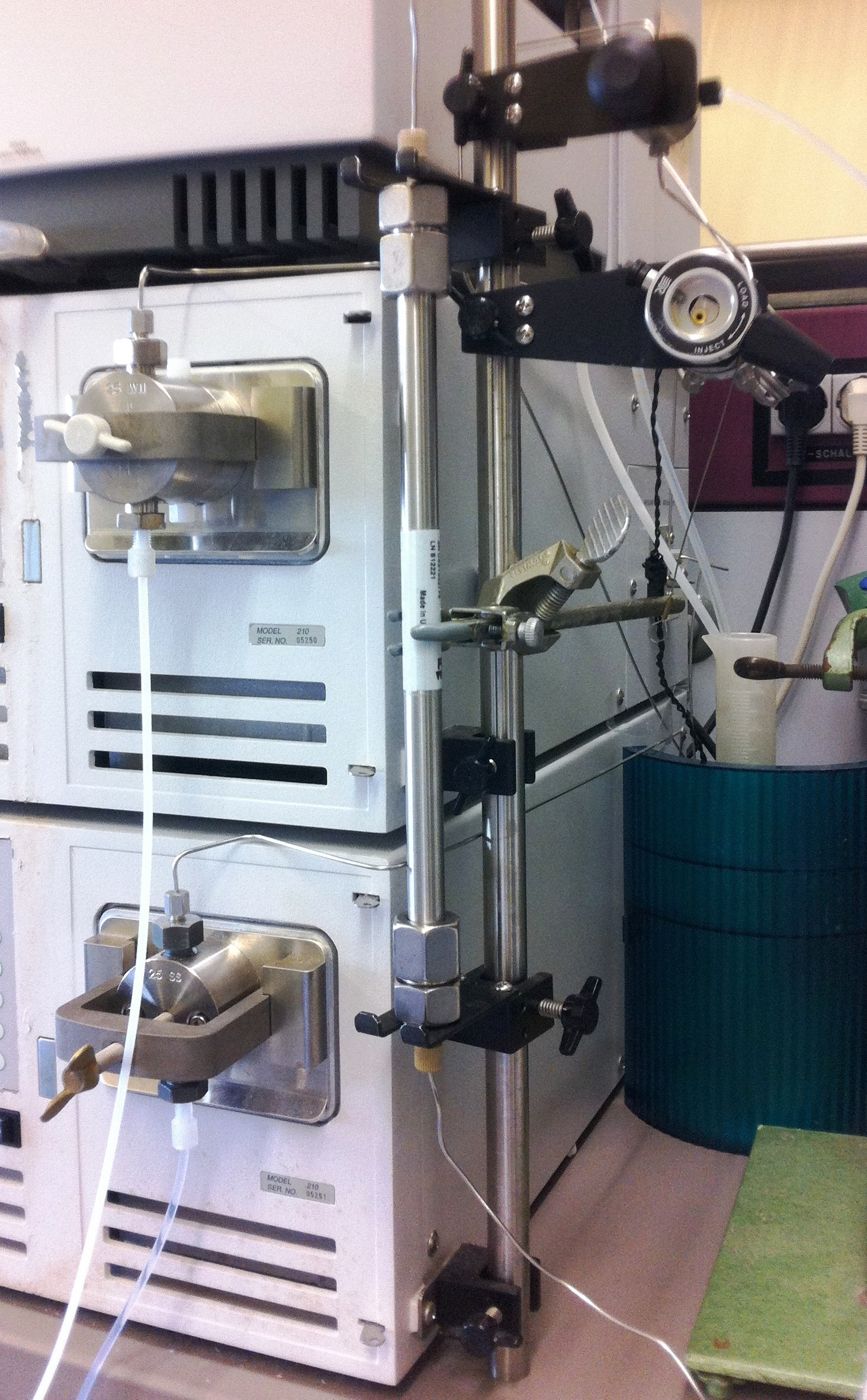
Analytical Testing Purity vs. Identity Testing: What’s the Difference?
Why a peptide sample can be pure but the wrong molecule, or the right molecule at low purity, and which analytical tests address each question.
EMElena Marsh~5 min read
 Analytical QC
Analytical Testing Batch Traceability and Lot Numbers Explained
How lot numbers connect a vial to its production and testing records, and how to keep that link intact inside your own lab.
EMElena Marsh~6 min read
 Analytical QCPhoto: Kjaergaard / Wikimedia Commons
Analytical Testing Peptide Molecular Weight and Purity: What They Mean
What the molecular weight and purity figures on a peptide COA actually measure, how they are generated, and how they relate to net peptide content.
EMElena Marsh~6 min read
Educational content for research use only. Not for human consumption. Nothing here is medical advice or a claim about safety or efficacy.