
Research Blog
Peptide Research: Testing, Stability & Methods
Cited, educational articles on peptide chemistry, HPLC and mass spec testing, stability, storage and research methods. For research use only.
 MethodsPhoto: Lilly_M / Wikimedia Commons, CC BY-SA 3.0
Research Methods In Vitro vs. In Vivo Research: What Each Can Show
What cell-based and animal studies can and cannot show, why animal findings do not establish human effects, and how to describe preclinical results accurately.
 DODaniel Okafor~5 min read
 MethodsPhoto: Nadine90 / Wikimedia Commons, CC BY-SA 3.0
Research Methods Peptide Research Methods: An Overview
How peptides are studied, from cell-free binding assays and cell culture to animal models, and what each level of evidence can and cannot show.
DODaniel Okafor~6 min read
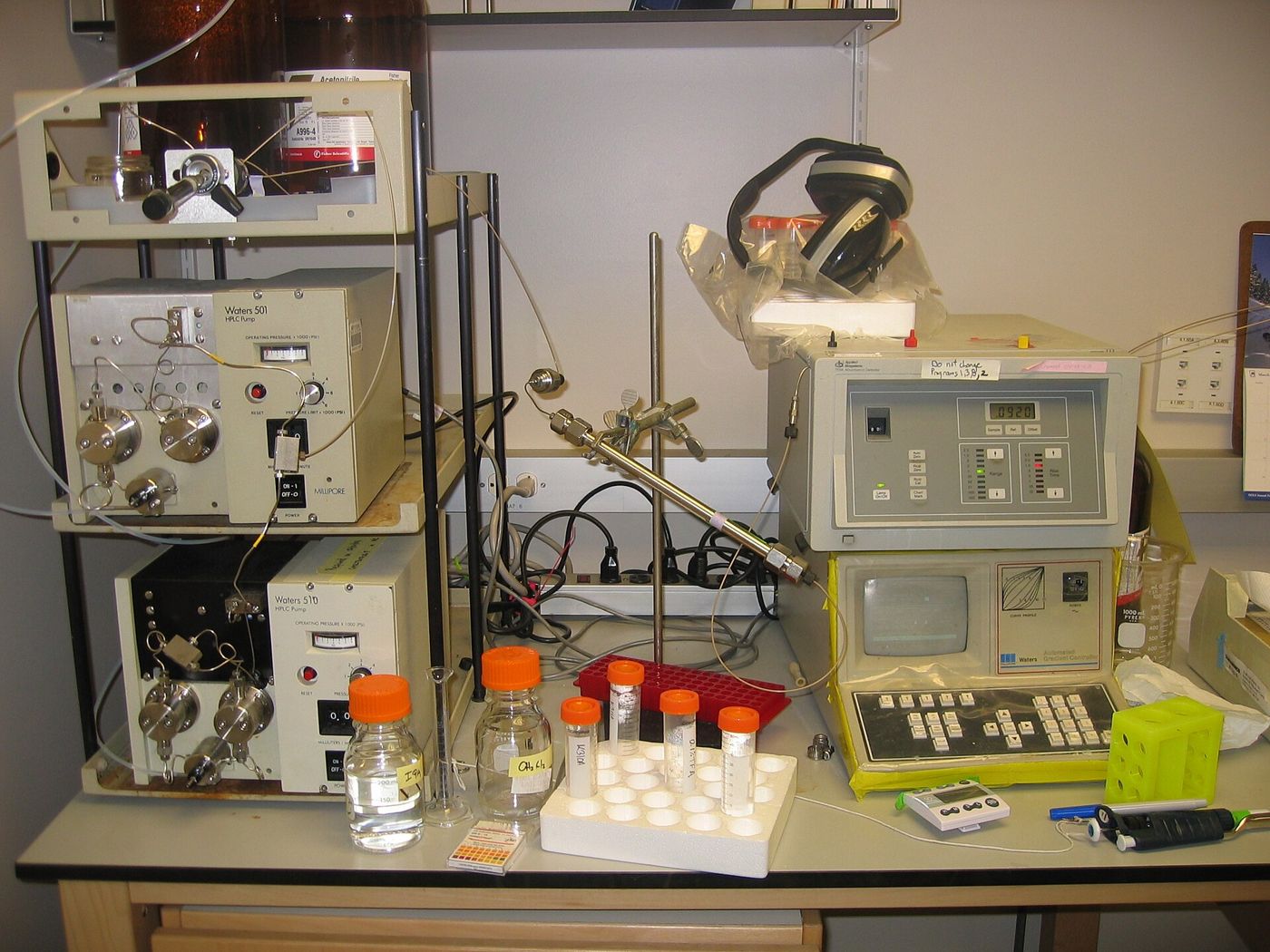 Analytical QCPhoto: Kjaergaard / Wikimedia Commons
Analytical Testing Peptide Molecular Weight and Purity: What They Mean
What the molecular weight and purity figures on a peptide COA actually measure, how they are generated, and how they relate to net peptide content.
 EMElena Marsh~6 min read
 FundamentalsPhoto: Masur / Wikimedia Commons, CC BY-SA 3.0
Peptide Fundamentals Peptides vs. Proteins: Key Differences Explained
Where the line between peptides and proteins sits, and why size changes how a molecule is made, tested and stored.
DODaniel Okafor~5 min read
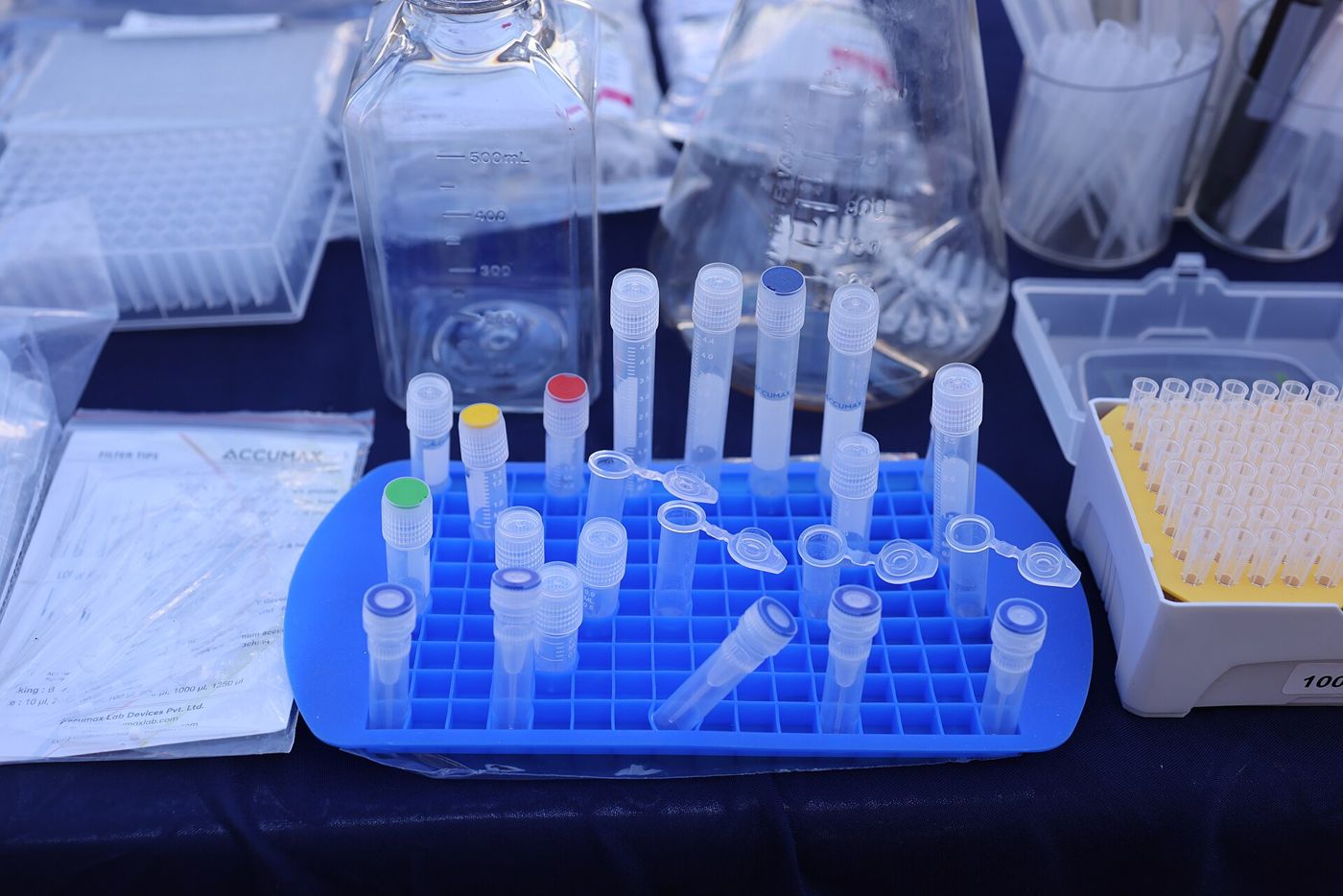 FundamentalsPhoto: Gannu03 / Wikimedia Commons
Peptide Fundamentals Peptide Bonds and Amino Acid Sequences Explained
How amino acids link through peptide bonds, how sequences are written in one- and three-letter code, and why residue order defines a peptide.
DODaniel Okafor~6 min read
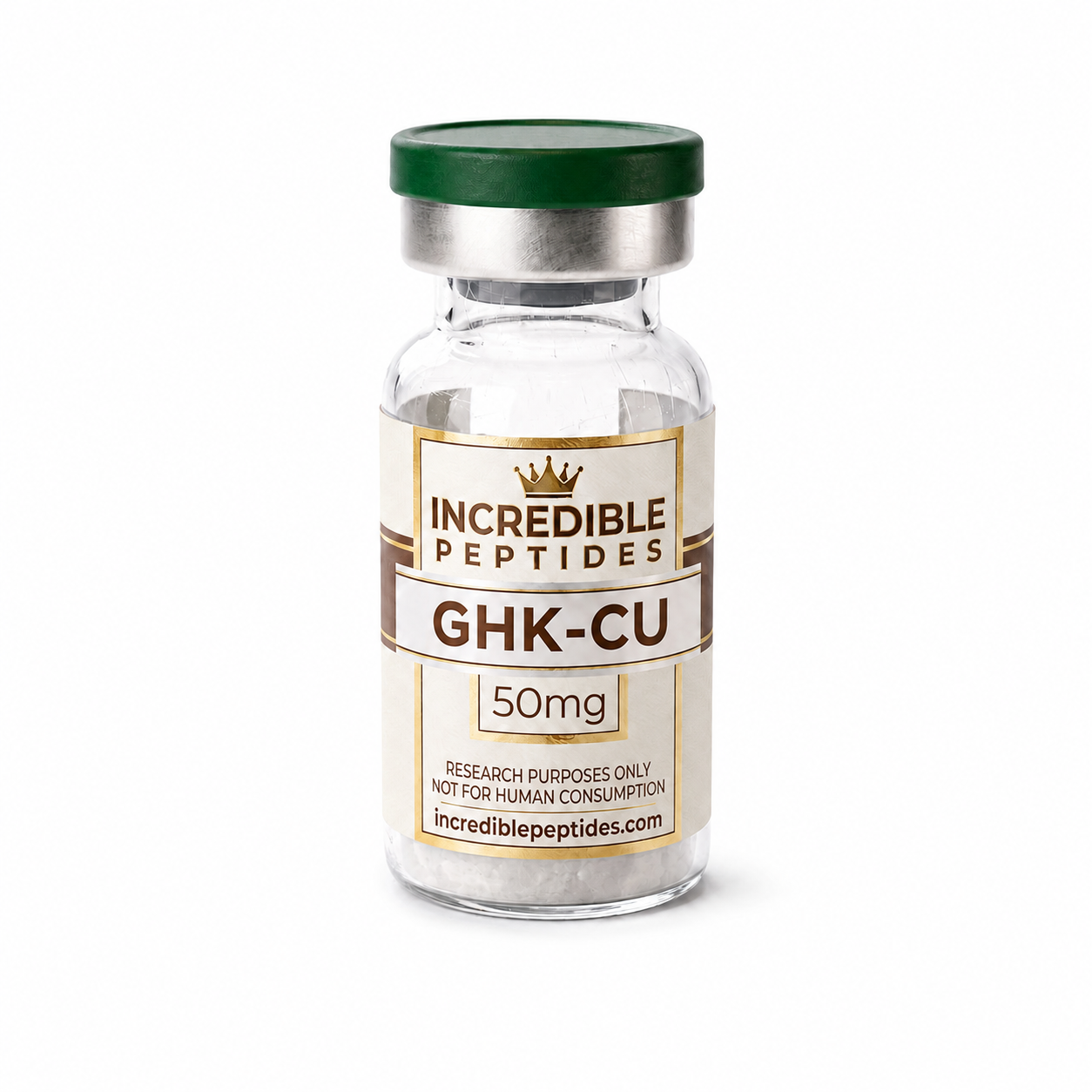 Fundamentals
Peptide Fundamentals What Are Research Peptides? A Beginner’s Guide
A plain-language introduction to peptides, how research-grade material is made and tested, and how it differs from approved medicines.
DODaniel Okafor~6 min read
Educational content for research use only. Not for human consumption. Nothing here is medical advice or a claim about safety or efficacy.