
Research Blog
Peptide Research: Testing, Stability & Methods
Cited, educational articles on peptide chemistry, HPLC and mass spec testing, stability, storage and research methods. For research use only.
Peptide Fundamentals NAD Enzyme Basics: Cofactor Binding, Specificity and Assays
A laboratory guide to NAD enzymes: cofactor chemistry, binding-site structure, engineered specificity, biocatalytic cascades, assays and storage.
 DODaniel Okafor~8 min read
Research Use Only RUO Science Peptides: Labels, Literature and Lab Practice
How the research use only category shapes peptide work in the laboratory, from labeling and documentation to literature searches that confuse RUO with RuO2.
DODaniel Okafor~6 min read
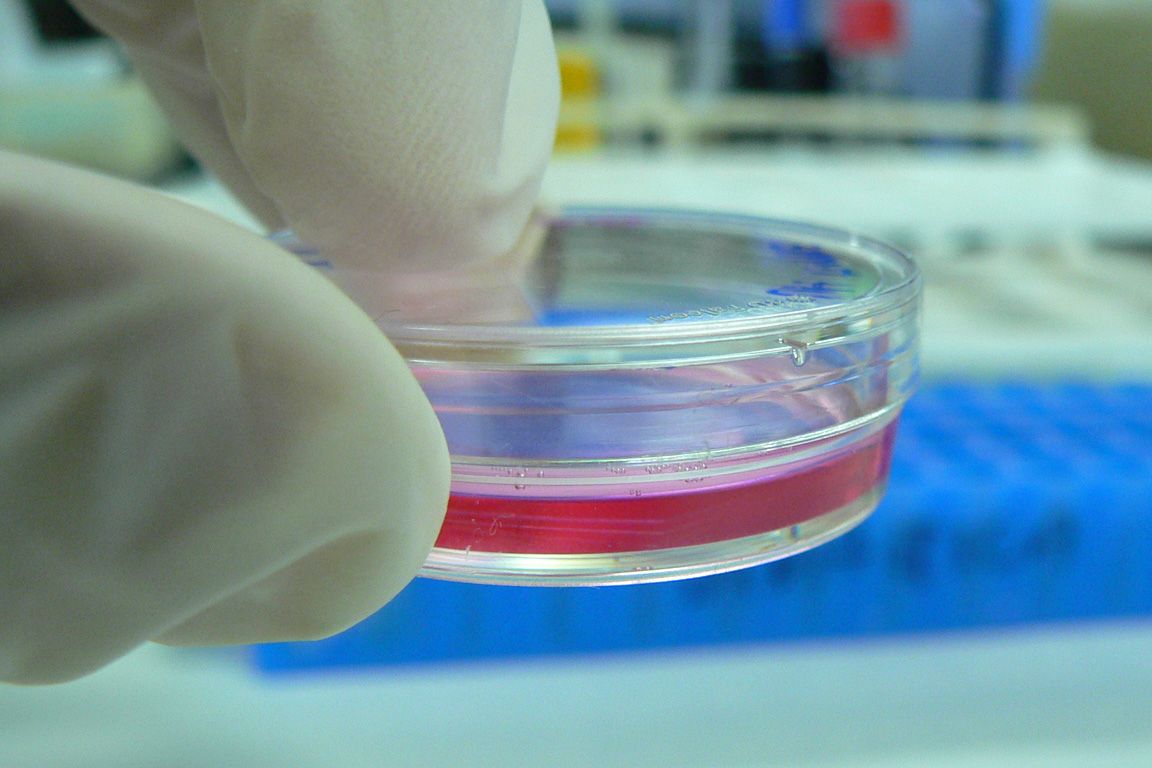 CompoundsPhoto: kaibara87 / Wikimedia Commons, CC BY 2.0
Compound Profiles GHRP-6 and Hexarelin: First-Generation Ghrelin Receptor Agonists
GHRP-6 found its receptor before ghrelin was known. Its chemistry, hexarelin and GHRP-2, and why selective agonists like ipamorelin followed.
DODaniel Okafor~4 min read
 Compounds
Compound Profiles ARA-290 (Cibinetide): An Erythropoietin-Derived Peptide
ARA 290 (cibinetide) was designed from erythropoietin's helix B to engage a proposed tissue-protective receptor without erythropoietic activity.
DODaniel Okafor~5 min read
Compounds
Compound Profiles Dihexa: An Angiotensin IV-Derived Research Compound
Dihexa is a capped angiotensin IV analog studied for HGF/c-Met activity. Its structure, proposed mechanism and the limits of the preclinical evidence.
DODaniel Okafor~5 min read
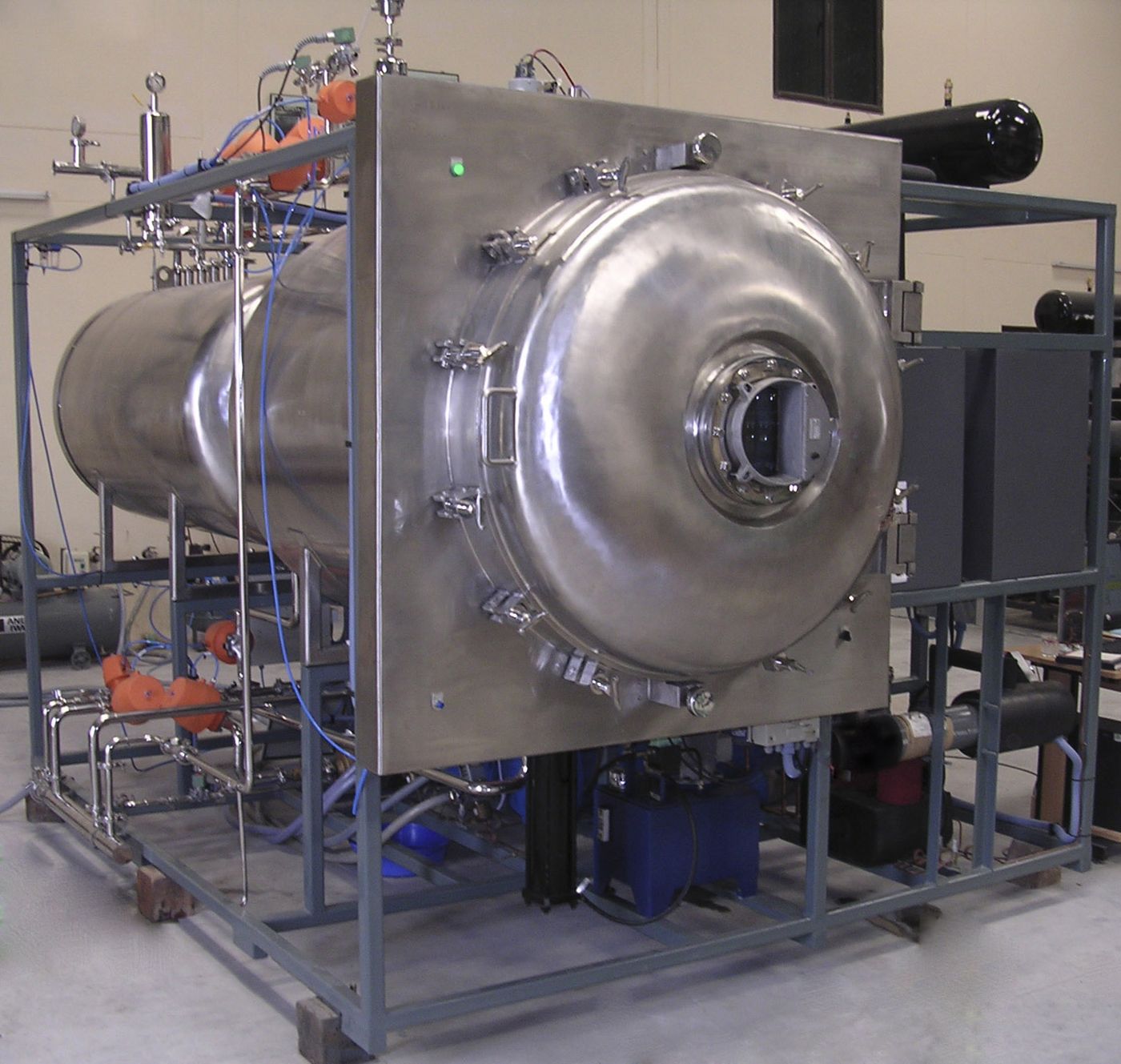 CompoundsPhoto: Millrock / Wikimedia Commons, Public domain
Compound Profiles Glutathione: The γ-Glutamyl Tripeptide Antioxidant in Research
Glutathione is a γ-linked tripeptide whose cysteine thiol drives its redox chemistry, assay behavior and instability in solution.
 EMElena Marsh~5 min read
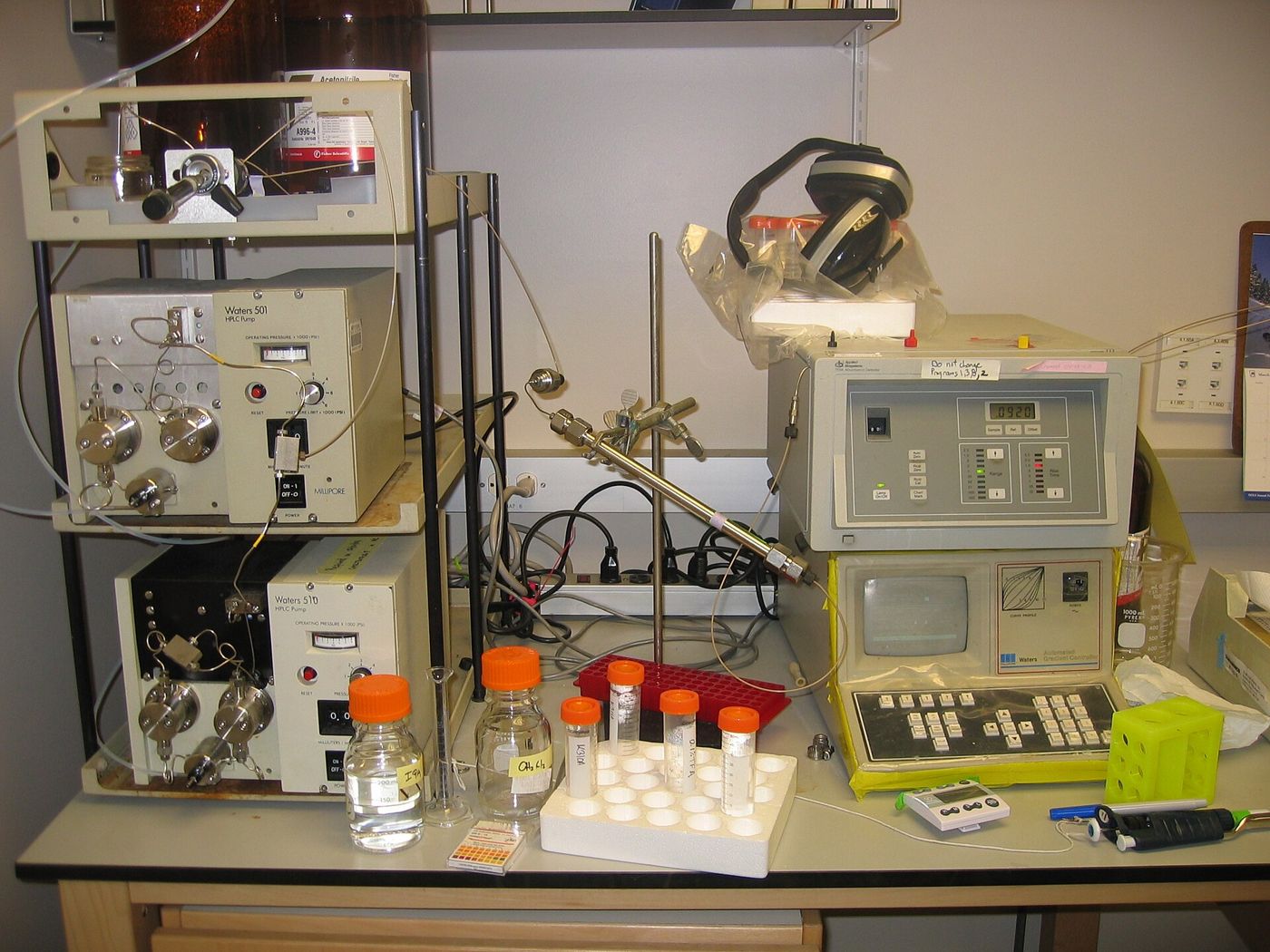 CompoundsPhoto: Kjaergaard / Wikimedia Commons
Compound Profiles hCG: Why Human Chorionic Gonadotropin Is a Glycoprotein, Not a Peptide
hCG is often called a peptide, but it is a glycosylated heterodimer. Its structure explains IU labeling, analytical methods and storage needs.
EMElena Marsh~6 min read
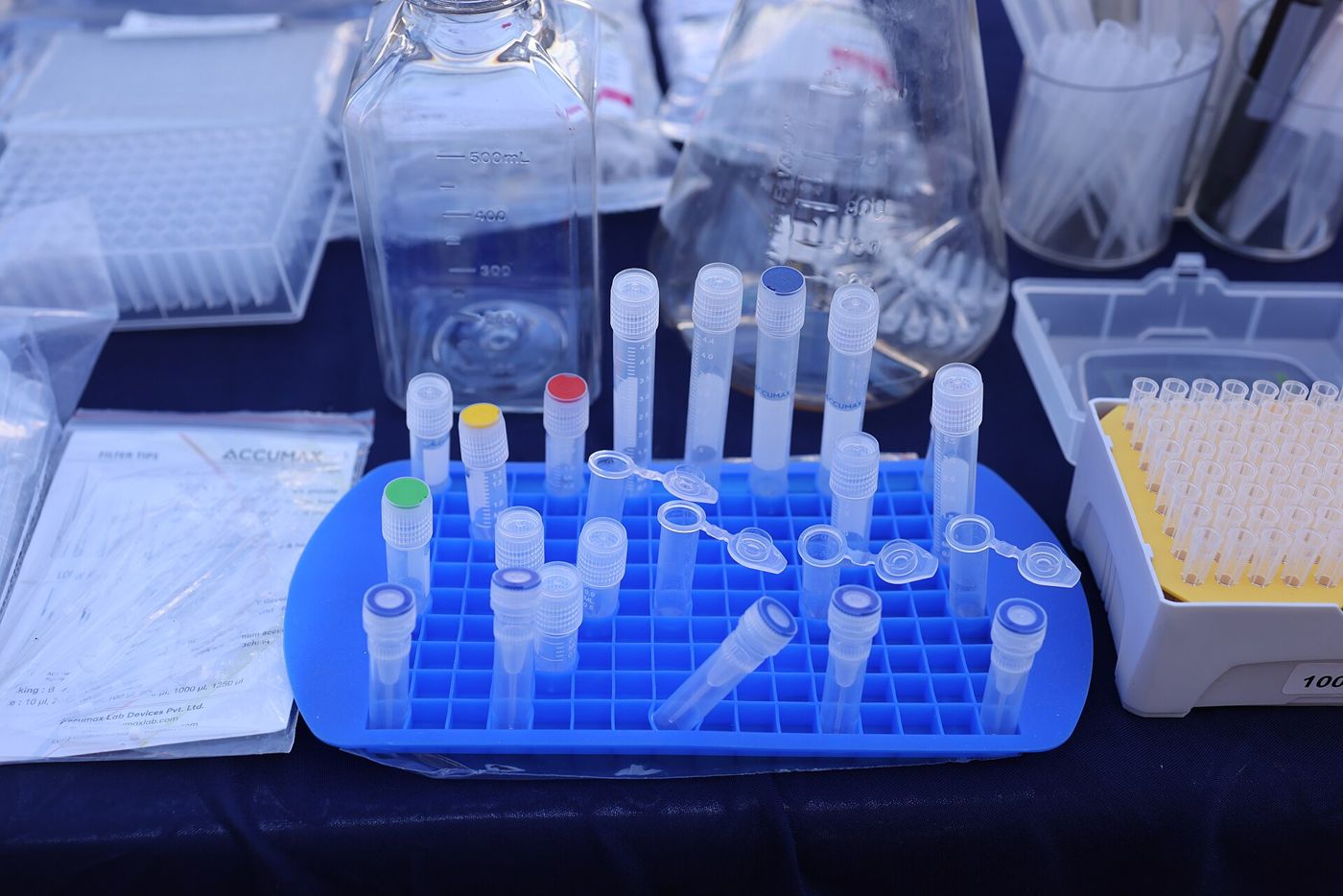 CompoundsPhoto: Gannu03 / Wikimedia Commons
Compound Profiles Oxytocin: Structure of a Cyclic Nonapeptide Hormone
How a nine-residue disulfide ring became the first synthetic peptide hormone, and what its chemistry and receptor pharmacology teach researchers.
DODaniel Okafor~5 min read
CompoundsPhoto: kaibara87 / Wikimedia Commons, CC BY 2.0
Compound Profiles Kisspeptin: KISS1-Derived Peptides and the KISS1R Receptor
The KISS1 gene products, their shared RF-amide decapeptide, KISS1R Gq signaling, and what animal studies show about hypothalamic GnRH neurons.
DODaniel Okafor~5 min read
DODaniel Okafor~8 min read
Research Use Only RUO Science Peptides: Labels, Literature and Lab Practice
How the research use only category shapes peptide work in the laboratory, from labeling and documentation to literature searches that confuse RUO with RuO2.
DODaniel Okafor~6 min read
CompoundsPhoto: kaibara87 / Wikimedia Commons, CC BY 2.0
Compound Profiles GHRP-6 and Hexarelin: First-Generation Ghrelin Receptor Agonists
GHRP-6 found its receptor before ghrelin was known. Its chemistry, hexarelin and GHRP-2, and why selective agonists like ipamorelin followed.
DODaniel Okafor~4 min read
Compounds
Compound Profiles ARA-290 (Cibinetide): An Erythropoietin-Derived Peptide
ARA 290 (cibinetide) was designed from erythropoietin's helix B to engage a proposed tissue-protective receptor without erythropoietic activity.
DODaniel Okafor~5 min read
Compounds
Compound Profiles Dihexa: An Angiotensin IV-Derived Research Compound
Dihexa is a capped angiotensin IV analog studied for HGF/c-Met activity. Its structure, proposed mechanism and the limits of the preclinical evidence.
DODaniel Okafor~5 min read
CompoundsPhoto: Millrock / Wikimedia Commons, Public domain
Compound Profiles Glutathione: The γ-Glutamyl Tripeptide Antioxidant in Research
Glutathione is a γ-linked tripeptide whose cysteine thiol drives its redox chemistry, assay behavior and instability in solution.
EMElena Marsh~5 min read
CompoundsPhoto: Kjaergaard / Wikimedia Commons
Compound Profiles hCG: Why Human Chorionic Gonadotropin Is a Glycoprotein, Not a Peptide
hCG is often called a peptide, but it is a glycosylated heterodimer. Its structure explains IU labeling, analytical methods and storage needs.
EMElena Marsh~6 min read
CompoundsPhoto: Gannu03 / Wikimedia Commons
Compound Profiles Oxytocin: Structure of a Cyclic Nonapeptide Hormone
How a nine-residue disulfide ring became the first synthetic peptide hormone, and what its chemistry and receptor pharmacology teach researchers.
DODaniel Okafor~5 min read
CompoundsPhoto: kaibara87 / Wikimedia Commons, CC BY 2.0
Compound Profiles Kisspeptin: KISS1-Derived Peptides and the KISS1R Receptor
The KISS1 gene products, their shared RF-amide decapeptide, KISS1R Gq signaling, and what animal studies show about hypothalamic GnRH neurons.
DODaniel Okafor~5 min read
Educational content for research use only. Not for human consumption. Nothing here is medical advice or a claim about safety or efficacy.