Research Blog
Peptide Research: Testing, Stability & Methods
Cited, educational articles on peptide chemistry, HPLC and mass spec testing, stability, storage and research methods. For research use only.
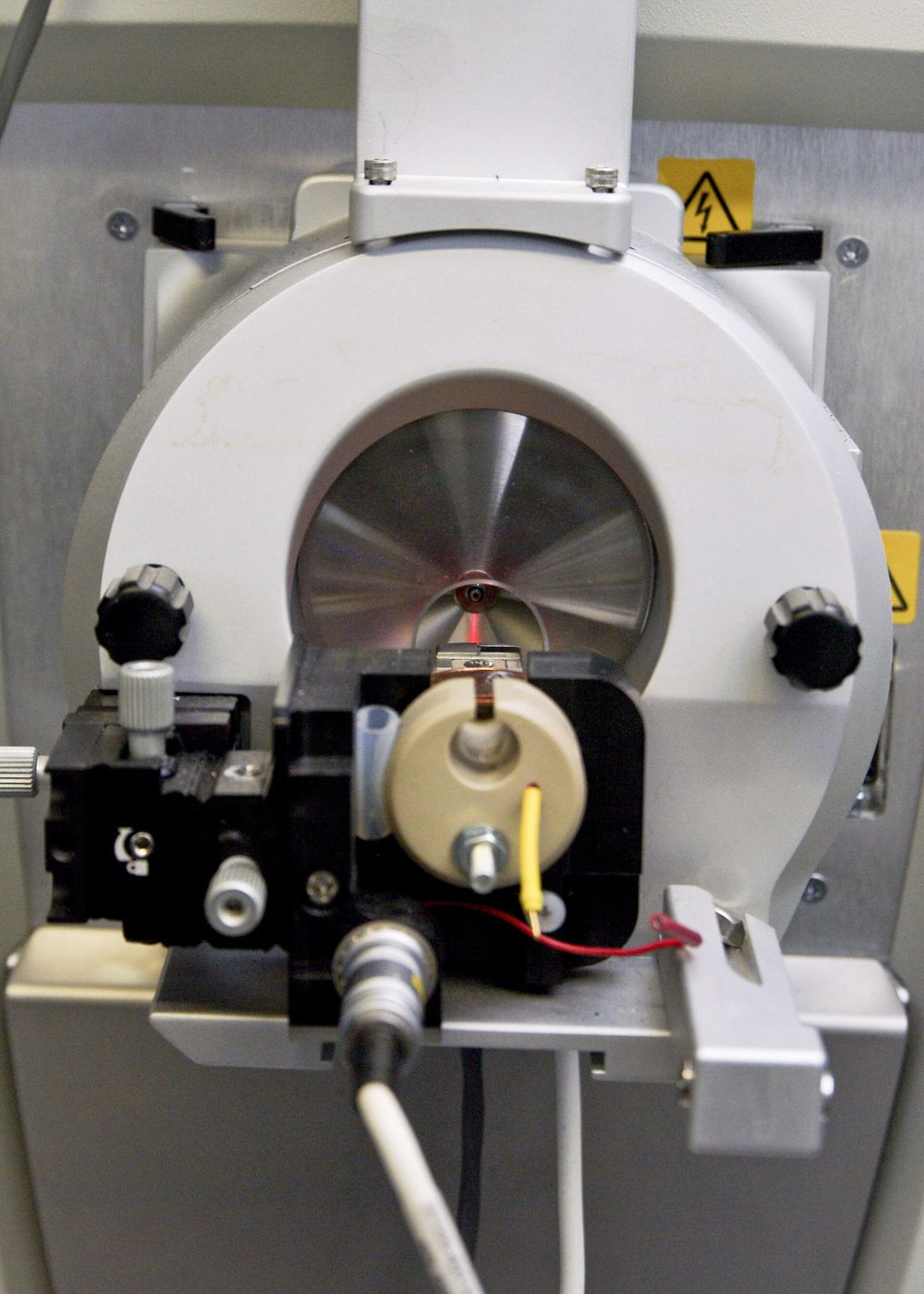 RUOPhoto: Nadine90 / Wikimedia Commons, CC BY-SA 3.0
Research Use Only Where to Buy Research Peptides: How to Evaluate a Supplier
A laboratory checklist for evaluating peptide suppliers: lot-specific COAs, identity and purity methods, independent testing, traceability, storage and red flags.
 EMElena Marsh~5 min read
 RUOPhoto: CCAC North Library / Wikimedia Commons, CC BY 2.0
Research Use Only Are Research Peptides Legal? How US Regulation Treats RUO Peptides
How US regulation approaches research use only peptides: intended use, what RUO labels can and cannot do, state variation and buyer restrictions. General information, not legal advice.
 DODaniel Okafor~6 min read
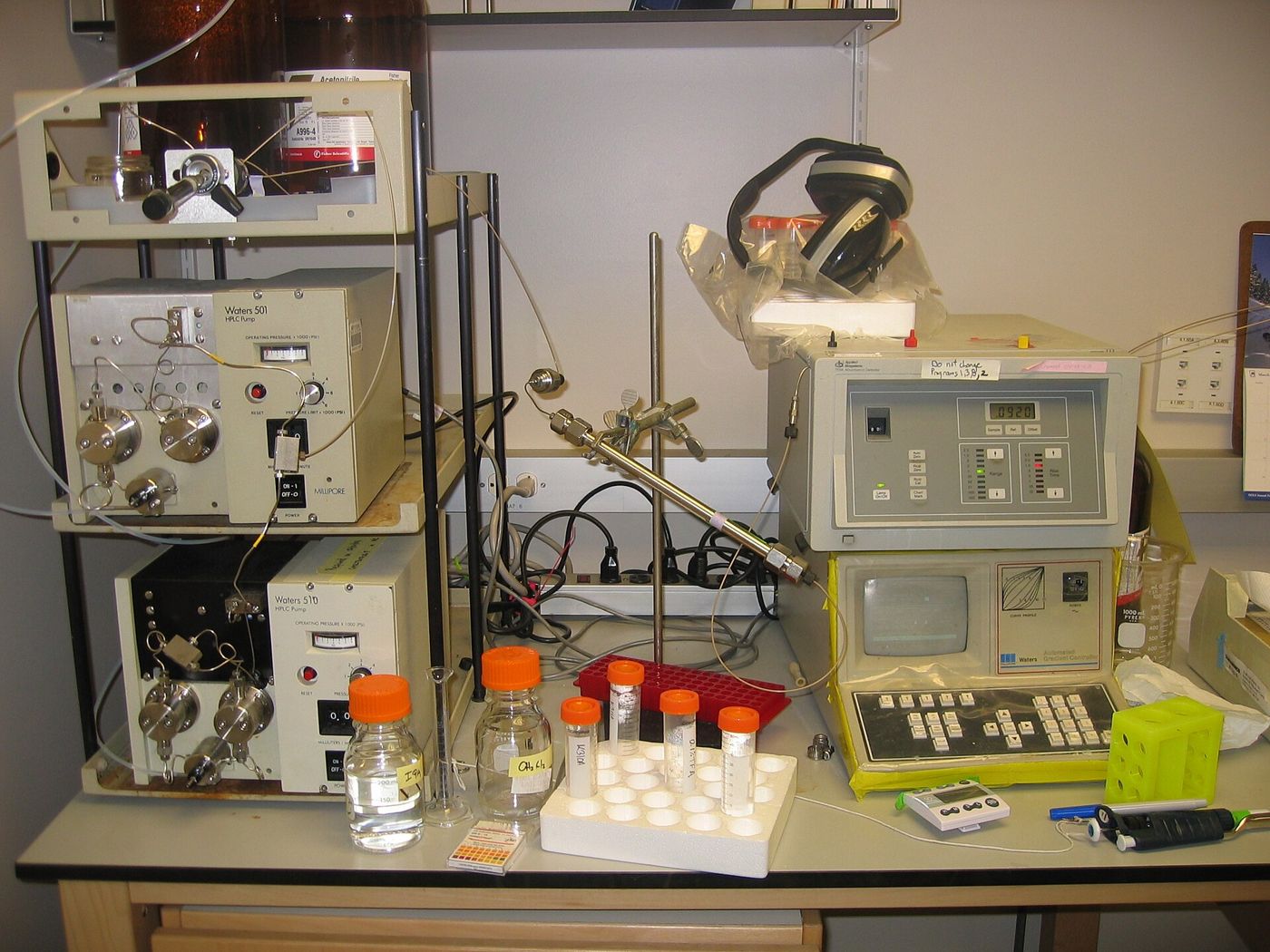 FundamentalsPhoto: Kjaergaard / Wikimedia Commons
Peptide Fundamentals Peptides vs Steroids: How the Two Molecule Classes Differ
Are peptides steroids? No. How amino-acid chains and the four-ring steroid scaffold differ in structure, biosynthesis, receptors and laboratory analysis.
DODaniel Okafor~5 min read
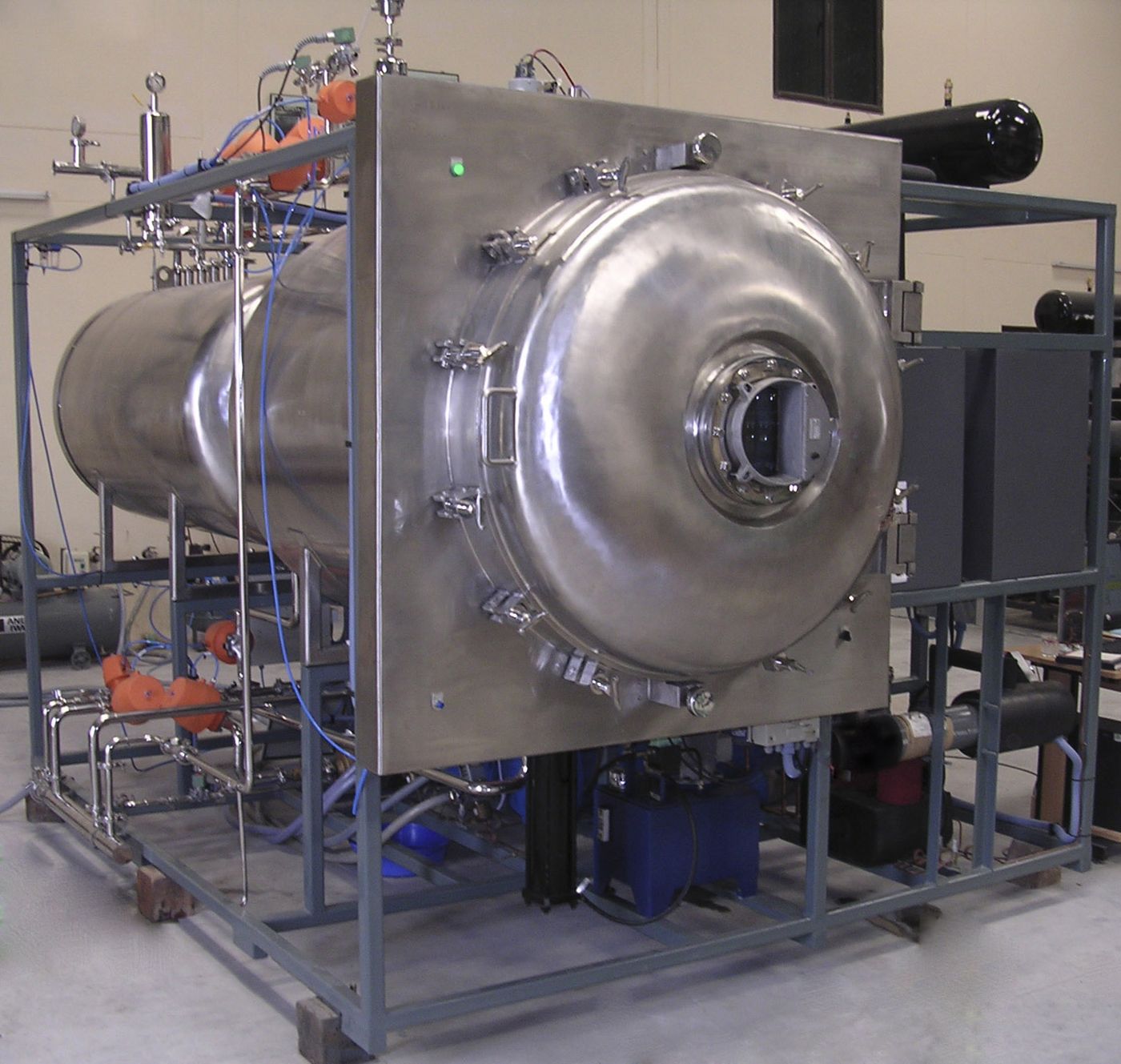 FundamentalsPhoto: Millrock / Wikimedia Commons, Public domain
Peptide Fundamentals Peptidases: The Enzymes That Break Peptide Bonds
How peptidases are classified, how serine, cysteine, aspartic and metallo enzymes cut peptide bonds, and why their activity matters in peptide assays.
DODaniel Okafor~5 min read
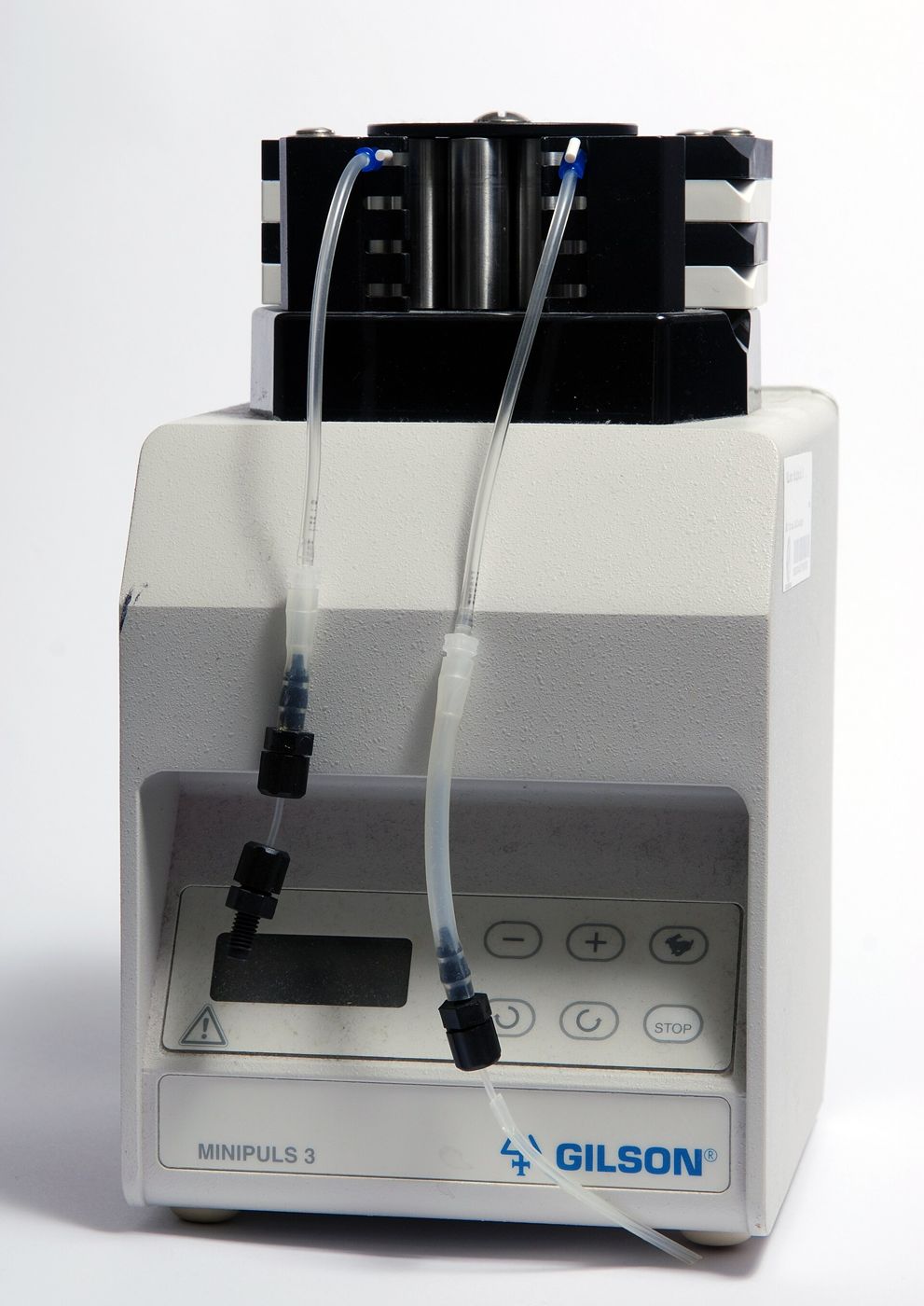 FundamentalsPhoto: Lilly_M / Wikimedia Commons, CC BY-SA 3.0
Peptide Fundamentals Types of Peptides: From Hormones to Cyclic Peptides
Four ways to classify peptides, by length, origin, structure and function, from linear hormones to cyclic, stapled and lipidated analogues.
DODaniel Okafor~5 min read
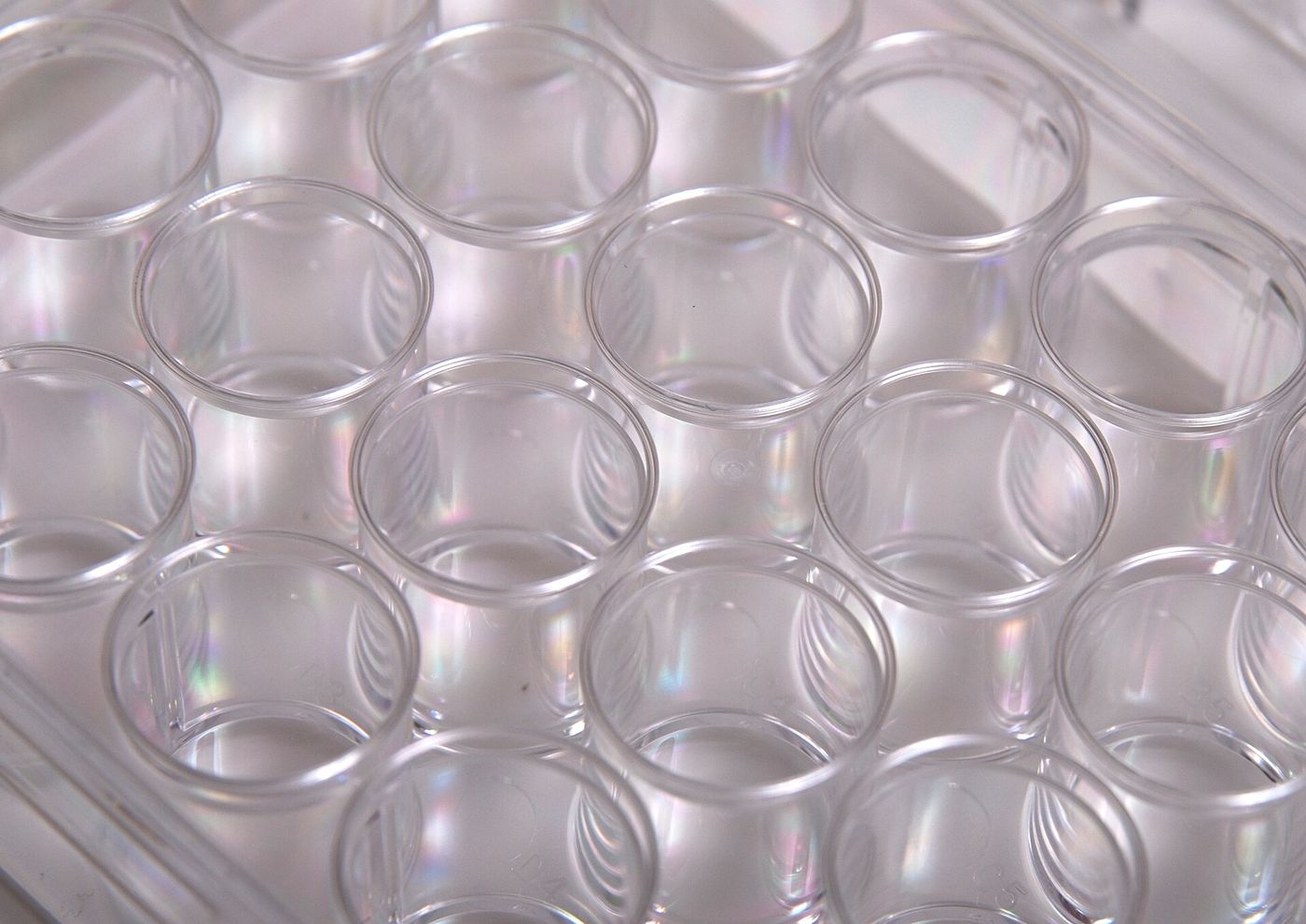 FundamentalsPhoto: Lilly_M / Wikimedia Commons, CC BY-SA 3.0
Peptide Fundamentals What Do Peptides Do? Biological Roles of Peptides
Hormones, neuropeptides, antimicrobial and signal peptides: the main biological jobs peptides perform, and how laboratories put them to work as research tools.
DODaniel Okafor~5 min read
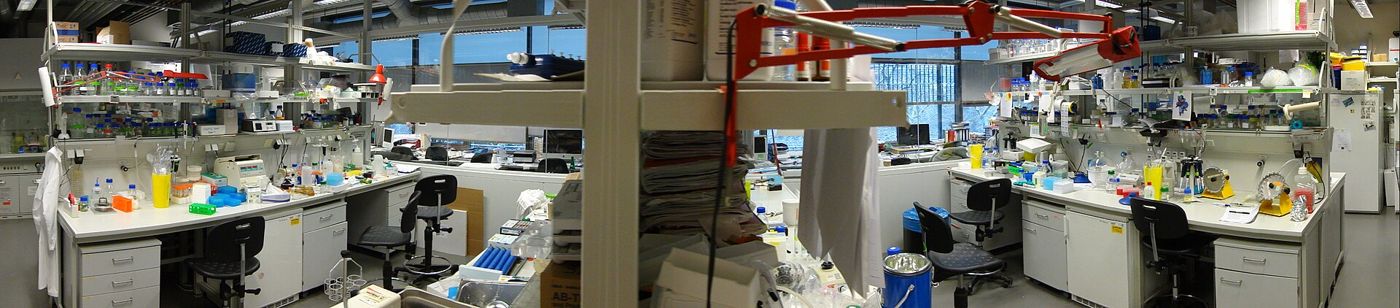 FundamentalsPhoto: Masur / Wikimedia Commons, CC BY-SA 3.0
Peptide Fundamentals What Are Peptides? Structure, Size and Classification
Amino acids, the peptide bond, where peptides end and proteins begin, and the main ways chemists classify peptides.
DODaniel Okafor~5 min read
 Synthesis
Peptide Synthesis Custom Peptide Synthesis and Common Peptide Modifications
How to specify a custom peptide, what acetylation, amidation, cyclization and lipidation do chemically, and what drives cost and lead time.
EMElena Marsh~5 min read
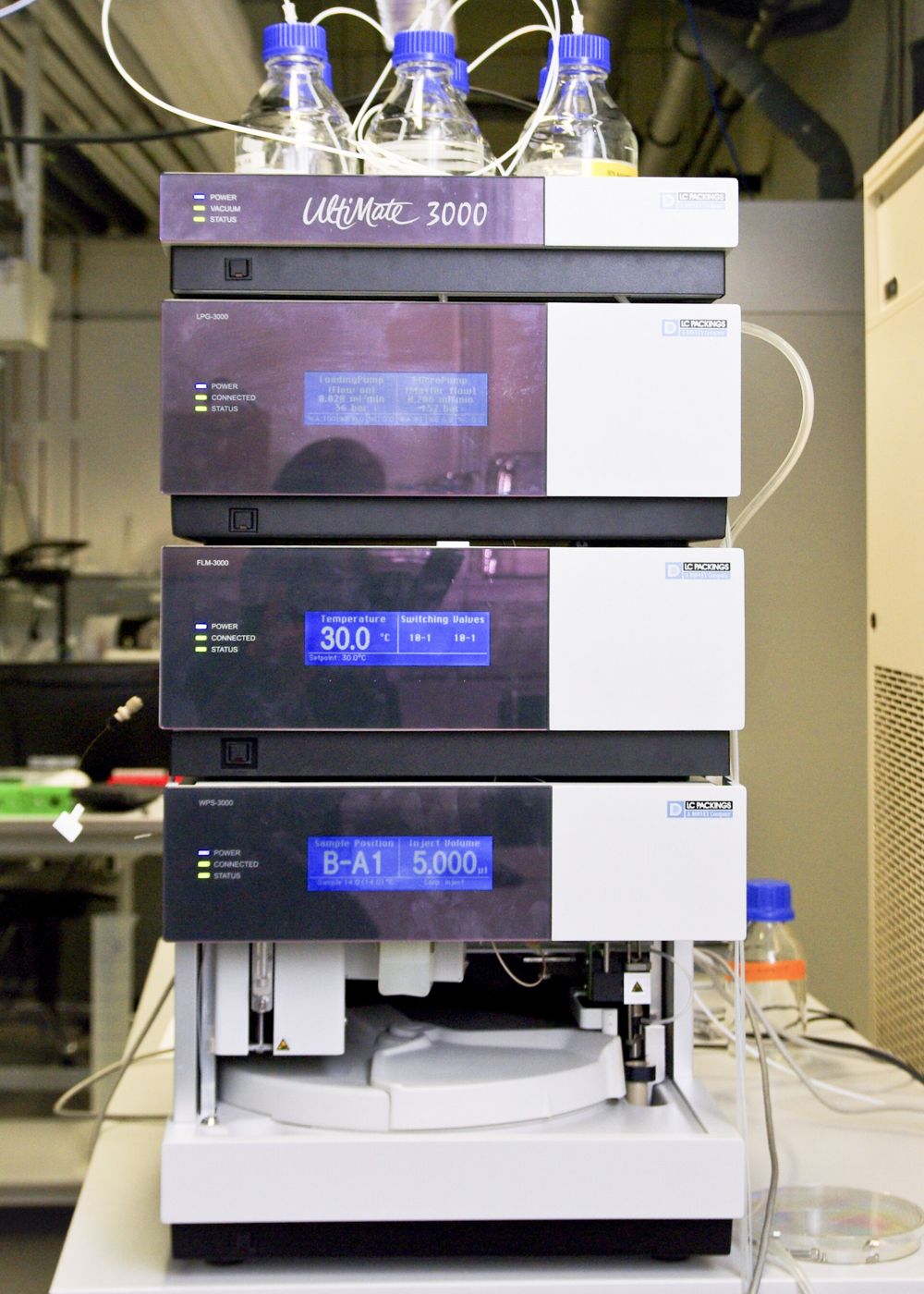 SynthesisPhoto: Nadine90 / Wikimedia Commons, CC BY-SA 3.0
Peptide Synthesis Peptide Purification: Cleavage, Prep HPLC and Salt Forms
From cleavage cocktail to dried powder: how crude synthetic peptides are purified by preparative HPLC, converted between salt forms and released.
EMElena Marsh~5 min read
Educational content for research use only. Not for human consumption. Nothing here is medical advice or a claim about safety or efficacy.