Where to Buy Research Peptides: How to Evaluate a Supplier
A laboratory checklist for evaluating peptide suppliers: lot-specific COAs, identity and purity methods, independent testing, traceability, storage and red flags.
 EMElena Marsh, PhDSenior Research Analyst, Analytical Chemistry~5 min read
 RUOPhoto: Nadine90 / Wikimedia Commons, CC BY-SA 3.0
Where to buy peptides for laboratory work is less a question of finding a storefront than of finding documentation you can trust. Synthetic peptides look alike in the vial: a small white lyophilized cake that reveals nothing about its sequence, purity or content. The only way a laboratory can know what it is receiving is through the analytical evidence and records a supplier provides, and through the supplier’s willingness to stand behind them.
This guide sets out how a research group can evaluate peptide suppliers on the criteria that matter for reproducible science: lot-specific certificates of analysis, the methods behind identity and purity results, independent testing, traceability, storage and shipping practice, and compliance with research use only (RUO) norms. It also lists the red flags that should rule a vendor out.
Start With Documentation, Not Price
Price is easy to compare and almost meaningless on its own. Two vials with the same label can differ in purity, in net peptide content, in counterion and water content, and occasionally in identity. Documentation is what separates a characterized reagent from an unknown powder.
Lot-specific certificates of analysis
A certificate of analysis (COA) should describe the specific lot you receive, not the product in general. Look for a lot or batch number that matches the vial label, a test date, the analytical methods used, the results for each test and the name of the laboratory that performed the work. A single generic COA reused across every batch tells you little about the material in hand. Suppliers that let you retrieve certificates by lot, for example through a public COA lookup by lot number, make it possible to check documentation before and after purchase. If you are new to these documents, our guide on how to read a peptide COA walks through each section.
Identity and purity are separate questions
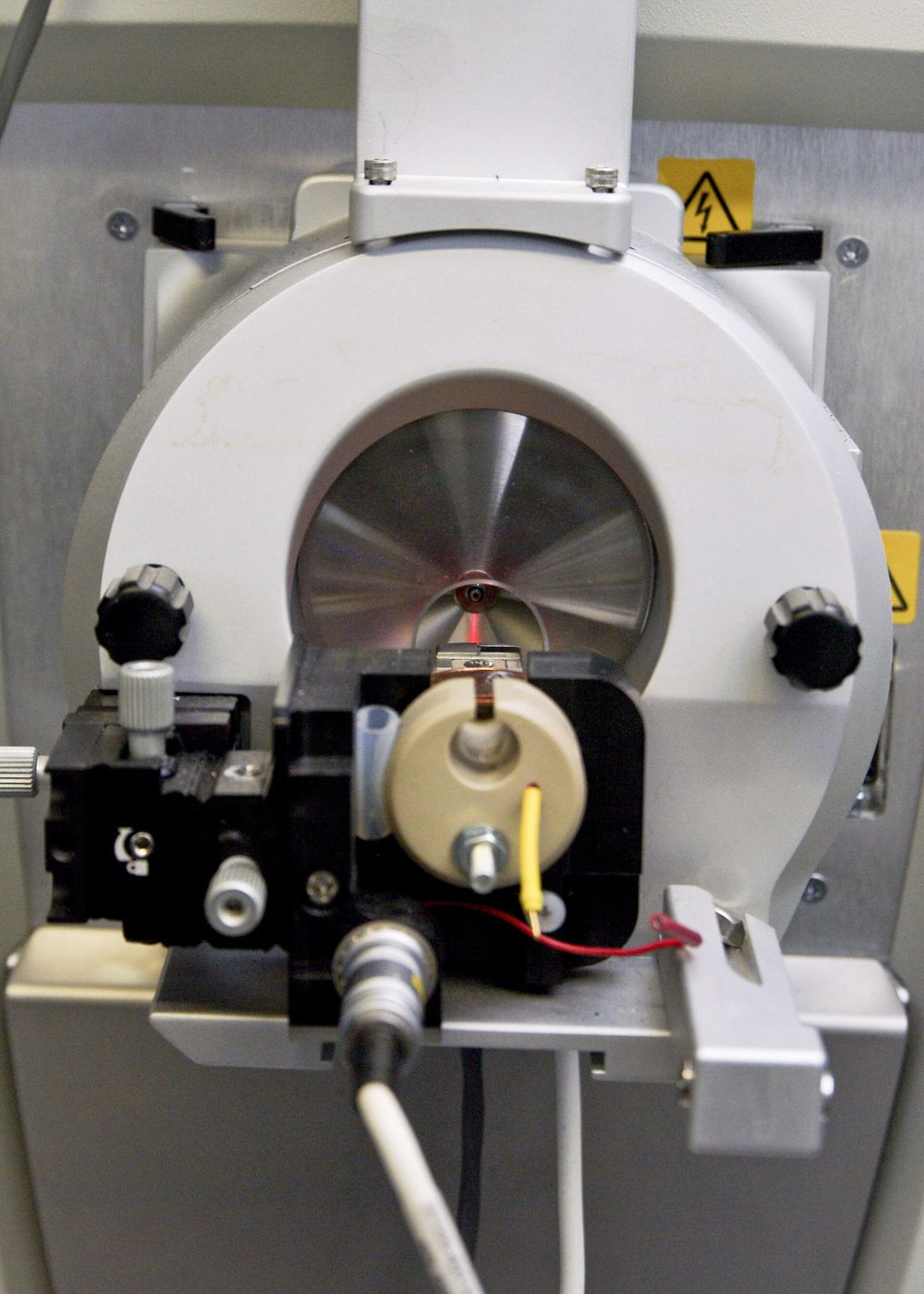
Purity by reversed-phase HPLC reports the proportion of UV-absorbing material that elutes as the main peak under a given method. It does not, by itself, prove that the main peak is the correct peptide. Identity is usually established by mass spectrometry, which compares the observed molecular mass with the theoretical mass of the expected sequence. A credible COA reports both, names the methods and, ideally, includes the chromatogram and mass spectrum rather than a bare number. The distinction between purity and identity is covered in more depth in our article on peptide testing.
Independent Testing and Traceability
Testing performed by a laboratory independent of the manufacturer adds a useful check, because the testing lab has no stake in the result. When a supplier cites third-party testing, it is reasonable to ask which laboratory performed it and whether that laboratory holds accreditation to ISO/IEC 17025, the international standard for the competence of testing and calibration laboratories. Accreditation applies to a defined scope of methods, so the relevant question is whether the methods used for peptide analysis fall within it.
Traceability ties the documentation to the vial. The lot number on the label should link to the COA, and the supplier should be able to say when the lot was produced or received, how it was stored and which orders it went into. That record matters if a result looks anomalous months later and you need to know whether other experiments used the same material.
Several further details distinguish careful peptide suppliers. Net peptide content, the fraction of the vial mass that is actually peptide rather than counterion and residual water, affects every concentration you calculate. Counterion identity, often trifluoroacetate or acetate, can matter in cell-based assays. Suppliers that report or can explain these figures are generally more rigorous than those that report purity alone.
What a Research Catalog Should Look Like
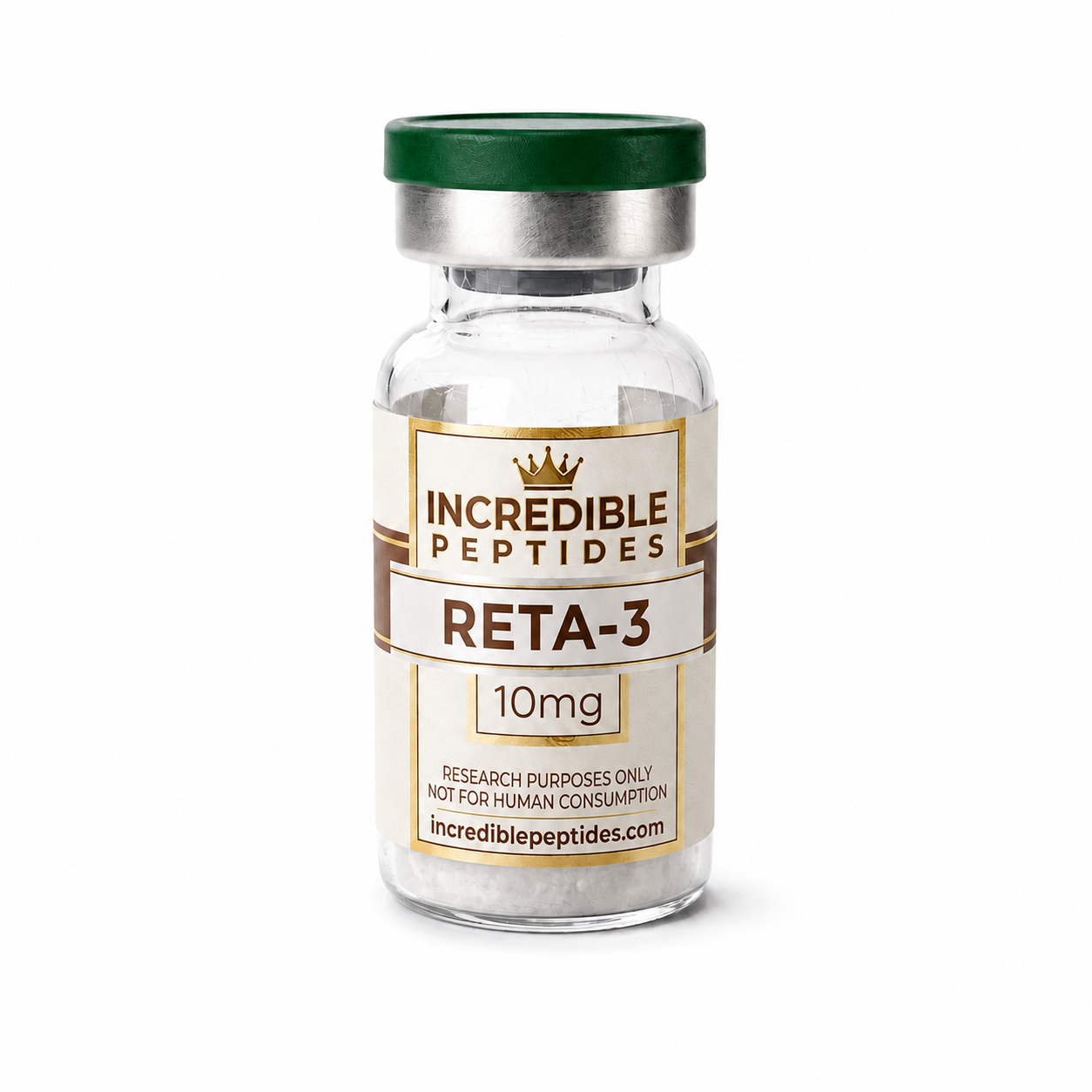
The way a vendor presents its products says a great deal about how it operates. When browsing any catalog, including our own peptide catalog, check that each listing identifies the compound by name and, where relevant, sequence or composition, states the quantity per vial, carries a clear statement that the material is for laboratory research use only and not for human or veterinary use, and points to lot-level documentation. Listings for multi-component blends should state what the vial contains and how much of each component; where a listing does not, confirm the composition against the lot COA before ordering.
A research-oriented catalog describes chemistry and handling. It does not describe outcomes for the buyer. That restraint is a regulatory expectation, as our overview of how US regulation approaches RUO peptides explains, and it is also a reasonable proxy for a supplier’s seriousness about quality.
Storage, Packaging and Shipping
Lyophilized peptides are relatively robust, but they are still sensitive to moisture, heat and, for some sequences, light and oxidation. A good supplier stores bulk material and finished vials under defined conditions, typically frozen or refrigerated and protected from humidity, and can describe those conditions. Vials should be sealed, labeled with compound name, quantity, lot number and an RUO statement, and packaged to limit temperature excursions in transit. On arrival, record the receipt date and condition, then store the material according to the supplier’s guidance.
Red Flags When Evaluating Peptide Vendors
Lists of “legit peptide sites” circulate online, but a laboratory is better served by applying its own criteria. The following warning signs apply regardless of who recommends a vendor.
| Red flag | Why it matters |
|---|---|
| No COA, or one generic COA for all lots | No evidence about the specific material you receive |
| Purity figure with no method or chromatogram | The number cannot be interpreted or checked |
| No mass spectrometry identity data | A high purity value does not confirm the correct sequence |
| Benefit claims or personal-use guidance on listings | Inconsistent with research use and a sign of non-research intended use |
| No RUO statement or buyer verification | Suggests weak compliance practice generally |
| No identifiable company, address or contact | No accountability if a lot is defective |
Unusually low prices deserve scrutiny too. Synthesis, purification and analytical testing have real costs, and prices far below the market can indicate that one of those steps has been shortened.
A Practical Evaluation Routine
Before ordering from new peptide vendors, a laboratory can work through a short routine. Request or download the COA for the lot that will be shipped and confirm that it reports both HPLC purity and mass spectrometry identity, with the testing laboratory named. Check that the vial label will carry the matching lot number. Ask how material is stored and shipped. Review the catalog for consistent research-only presentation. Then, on receipt, file the certificate with your lab records and consider confirming identity in house if the experiment is sensitive to it.
Incredible Peptides publishes certificates of analysis by lot, and researchers can retrieve the documentation for a specific vial through our certificate of analysis lookup. Whichever research peptides USA-based or international suppliers you consider, the same standard applies: evidence first, then everything else. All materials discussed here are for laboratory research use only.
References
- ICH Q2(R2). Validation of Analytical Procedures. International Council for Harmonisation.
- ICH Q6B. Specifications: Test Procedures and Acceptance Criteria for Biotechnological/Biological Products. International Council for Harmonisation.
- ISO/IEC 17025. General requirements for the competence of testing and calibration laboratories. International Organization for Standardization.
- USP General Chapter <621> Chromatography. United States Pharmacopeia.
- 21 CFR 809.10(c), Labeling for in vitro diagnostic products: research use only and investigational use only statements.
Educational content for research use only. Not for human consumption. Nothing here is medical advice or a claim about safety or efficacy.
 DO