Lyophilized vs. Liquid Peptides: Choosing a Format
Trade-offs between lyophilized powders, ready-to-use solutions and capsules in a research setting, with a stability comparison and a practical way to choose.
 EMElena Marsh, PhDSenior Research Analyst, Analytical Chemistry~5 min read
 FormulationPhoto / Wikimedia Commons
Research peptides reach the bench in three broad physical forms: a lyophilized powder that the lab dissolves itself, a ready-to-use solution, or a solid unit form such as a capsule. The lyophilized vs liquid peptides question is the one most labs face in practice, and it comes down to a trade-off between stability and convenience. Water is the medium in which most peptide degradation happens, so removing it buys shelf life, while receiving the peptide already dissolved saves preparation time and removes a source of weighing and dilution error.
This article compares the formats on stability, handling and analytical considerations, and offers a practical way to choose among them for in-vitro and analytical research.
Lyophilized Powder
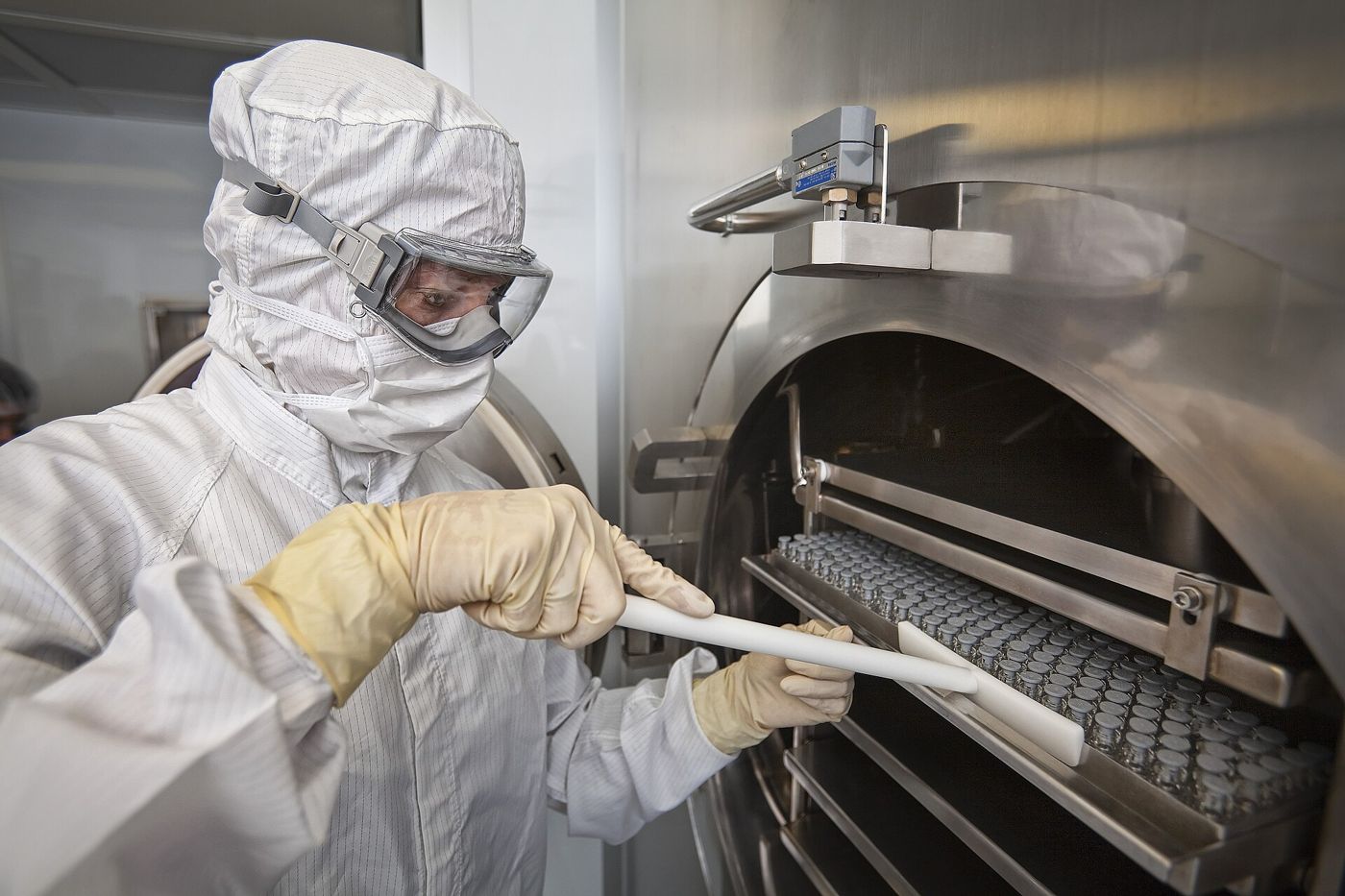
Lyophilization, or freeze-drying, removes water from a frozen solution by sublimation, leaving a porous solid or thin film in a sealed vial. It is the default format for synthetic peptides for good reasons. Purified peptides come off preparative HPLC in aqueous acetonitrile and are freeze-dried to recover them in any case, and the dried solid is far more resistant to hydrolysis, deamidation and aggregation than the same peptide in solution. Most research peptides are therefore provided as lyophilized material, a pattern seen across the industry. Our article on peptide lyophilization explains the process step by step.
The costs are modest but real. The lab must choose a solvent, dissolve the material without loss and establish the concentration. Because the solid contains counter-ion and residual water as well as peptide, gross weight is not the same as peptide mass, and accurate concentrations depend on the net peptide content reported on the certificate of analysis or on independent quantitation such as UV absorbance or amino acid analysis. Lyophilized material is also hygroscopic once exposed, so cold vials should reach room temperature before the seal is broken.
Ready-to-Use Solutions
A peptide supplied in solution removes the dissolution step and, when the concentration has been verified, a source of variability between users. For high-throughput screening, analytical reference standards or workflows in which several users draw from one stock, that convenience can be worth a great deal.
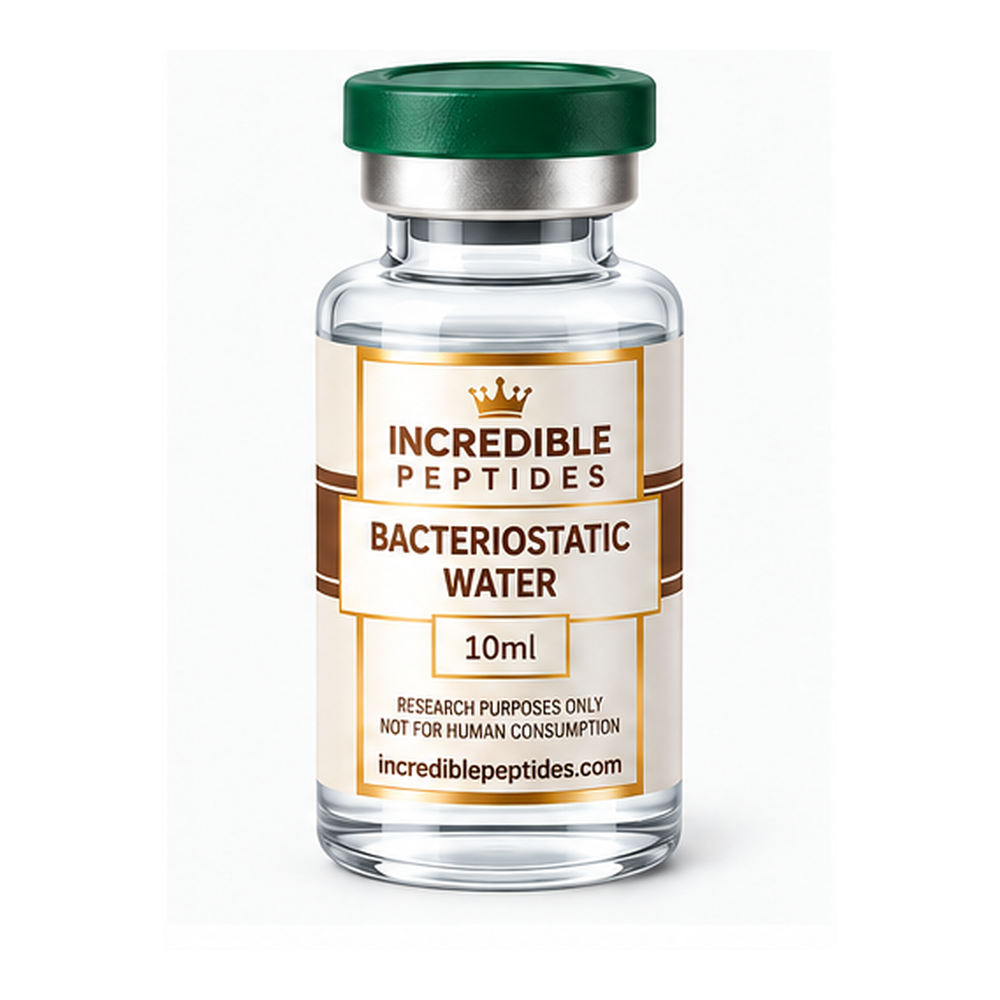
The trade-off is stability. In solution every degradation route is active, at rates set by pH, buffer, temperature, light, dissolved oxygen and the container. A solution that holds up for months frozen may change measurably within days at room temperature. Solutions also raise questions that a dry powder does not: adsorption to container walls at low concentration, microbial growth in vials that are sampled repeatedly, and damage from repeated freeze-thaw cycles. Labs preparing their own multi-sample stocks sometimes use a preserved diluent such as bacteriostatic water, which contains benzyl alcohol, to limit microbial growth between withdrawals, provided the preservative is compatible with the peptide and the assay.
Capsules and Other Solid Unit Forms
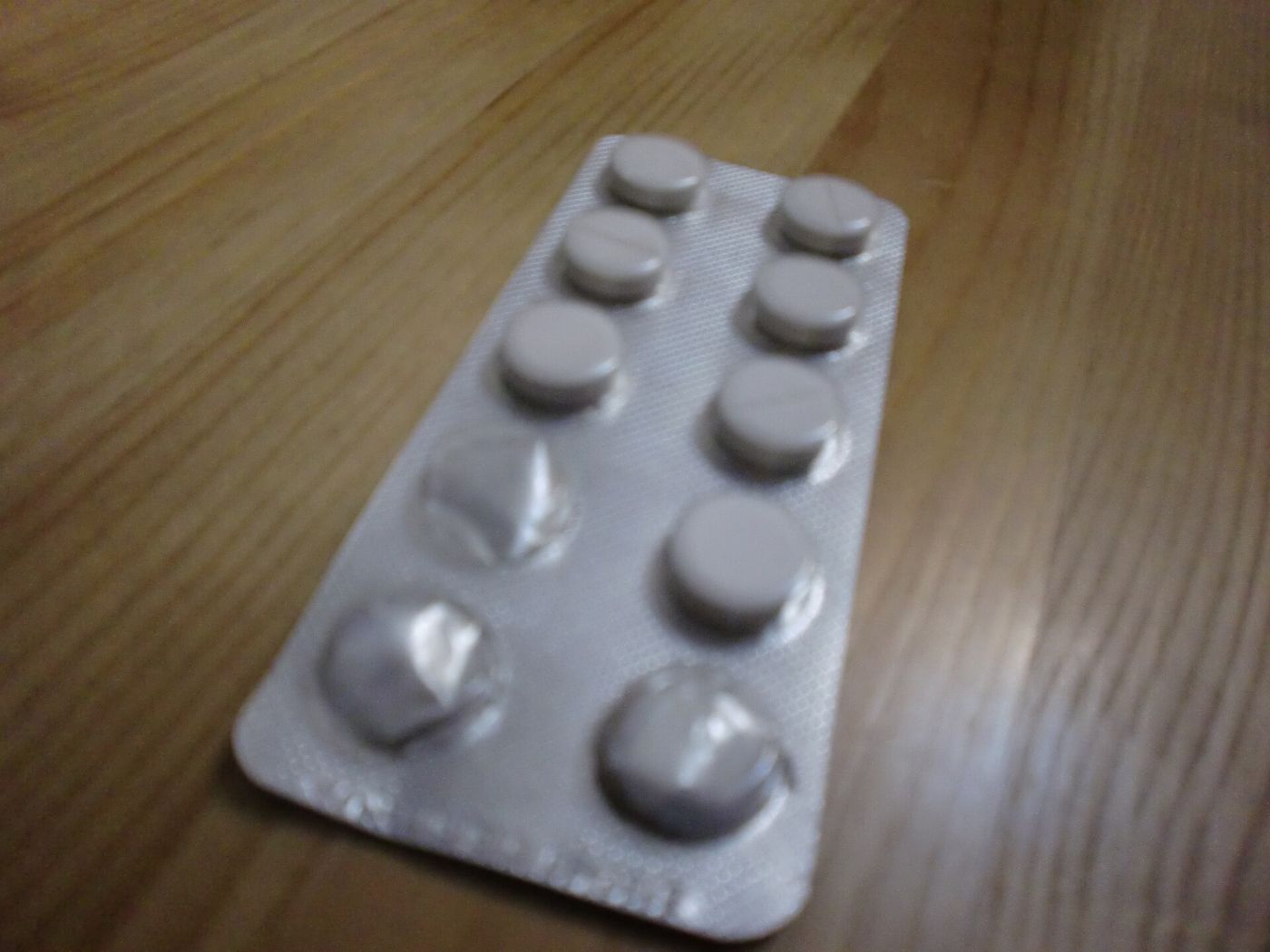
Capsules occupy a different niche. A powder blend, usually the active material mixed with fillers, lubricants and flow aids, is enclosed in a hard shell of gelatin or hydroxypropyl methylcellulose (HPMC). The format delivers a defined quantity of material per unit and protects it during handling. Two quality questions follow: whether each unit contains a consistent amount of material, assessed by content uniformity testing, and whether the contents are released under defined conditions, assessed by disintegration or dissolution testing.
For peptides, capsules bring analytical complications. The peptide is diluted in excipients, so identity and assay methods must separate it from the matrix. Gelatin shells can cross-link under heat and humidity, slowing dissolution, and moisture held in the shell and blend can migrate toward a moisture-sensitive peptide. Capsule material is also a poor substitute for a lyophilized vial in in-vitro work, because the excipients go into solution along with the peptide. Our article on dissolution testing and capsule formulation explores these issues further.
Stability Comparison
The table summarizes general tendencies. These are qualitative patterns drawn from the protein and peptide stability literature, not guarantees for any particular sequence; real stability has to be established by testing.
| Factor | Lyophilized powder | Solution | Capsule |
|---|---|---|---|
| Main degradation drivers | Residual moisture, temperature, moisture uptake after opening | pH, temperature, oxidation, aggregation, microbial growth | Moisture in blend and shell, excipient interactions, shell cross-linking |
| Typical storage | Sealed, cold, dry, protected from light | Frozen single-use aliquots; refrigerated only short term | As labeled, low humidity |
| Freeze-thaw sensitivity | Not relevant until dissolved | Often significant | Not relevant |
| Preparation before lab use | Dissolution and concentration check | Usually dilution only | Extraction from excipient matrix |
| Key QC tests | Purity, identity, net peptide content, water content | Purity, identity, concentration, pH, appearance | Identity, assay, content uniformity, dissolution |
The broad lesson is that dried forms trade preparation effort for shelf life. Wang’s review of solid protein pharmaceuticals makes the point that dried products still degrade, at rates governed by moisture content and by storage temperature relative to the glass transition, so a lyophilized vial is more stable, not indefinitely stable. ICH Q1A(R2) describes how long-term and accelerated studies are designed to support a shelf life under labeled conditions for any format.
Choosing a Format for Your Research
A few questions usually settle the choice. How long will the material be stored before use? For storage over months, a sealed lyophilized solid kept cold is almost always the safer option. How often will the stock be accessed? A single experiment can use a freshly prepared solution, while a stock opened repeatedly benefits from single-use aliquots or, where appropriate, a preserved diluent. Does the assay tolerate additives? Cell-based systems can be sensitive to preservatives, surfactants and organic cosolvents, which argues for preparing solutions in plain buffer from dried material. Does the study need exact unit quantities of a blended solid? That is where capsules and their content uniformity data become relevant, though they are rarely the best fit for mechanistic in-vitro work.
For most in-vitro and analytical work, the practical answer is to source the peptide as a lyophilized solid, as with the freeze-dried research peptides in our catalog, dissolve it in a solvent chosen for both the sequence and the assay, and divide the solution into single-use aliquots stored frozen. That approach keeps most of the stability advantage of the dried form while limiting the handling errors that make solutions variable.
Weighing Stability Against Convenience
Lyophilized powder offers the best stability and the most flexibility, at the cost of a preparation step that has to be done carefully. Ready-to-use solutions save time but carry pH, oxidation, adsorption and contamination risks that limit how long they can be trusted. Capsules deliver consistent unit quantities but embed the peptide in a matrix that complicates analysis. Whichever format a lab chooses, recording how the material was stored and prepared is what makes the results reproducible.
References
- Manning MC, Chou DK, Murphy BM, Payne RW, Katayama DS. Stability of protein pharmaceuticals: an update. Pharmaceutical Research. 2010;27(4):544-575.
- Wang W. Lyophilization and development of solid protein pharmaceuticals. International Journal of Pharmaceutics. 2000;203(1-2):1-60.
- Wang W. Instability, stabilization, and formulation of liquid protein pharmaceuticals. International Journal of Pharmaceutics. 1999;185(2):129-188.
- International Council for Harmonisation. ICH Q1A(R2): Stability Testing of New Drug Substances and Products.
- United States Pharmacopeia. General Chapters <905> Uniformity of Dosage Units and <711> Dissolution.
Research Product in This Article
Educational content for research use only. Not for human consumption. Nothing here is medical advice or a claim about safety or efficacy.