Research Blog
Compound Profiles
Research profiles of individual peptides and related compounds: sequence and structure, receptor targets, published in vitro and preclinical findings, and laboratory handling.
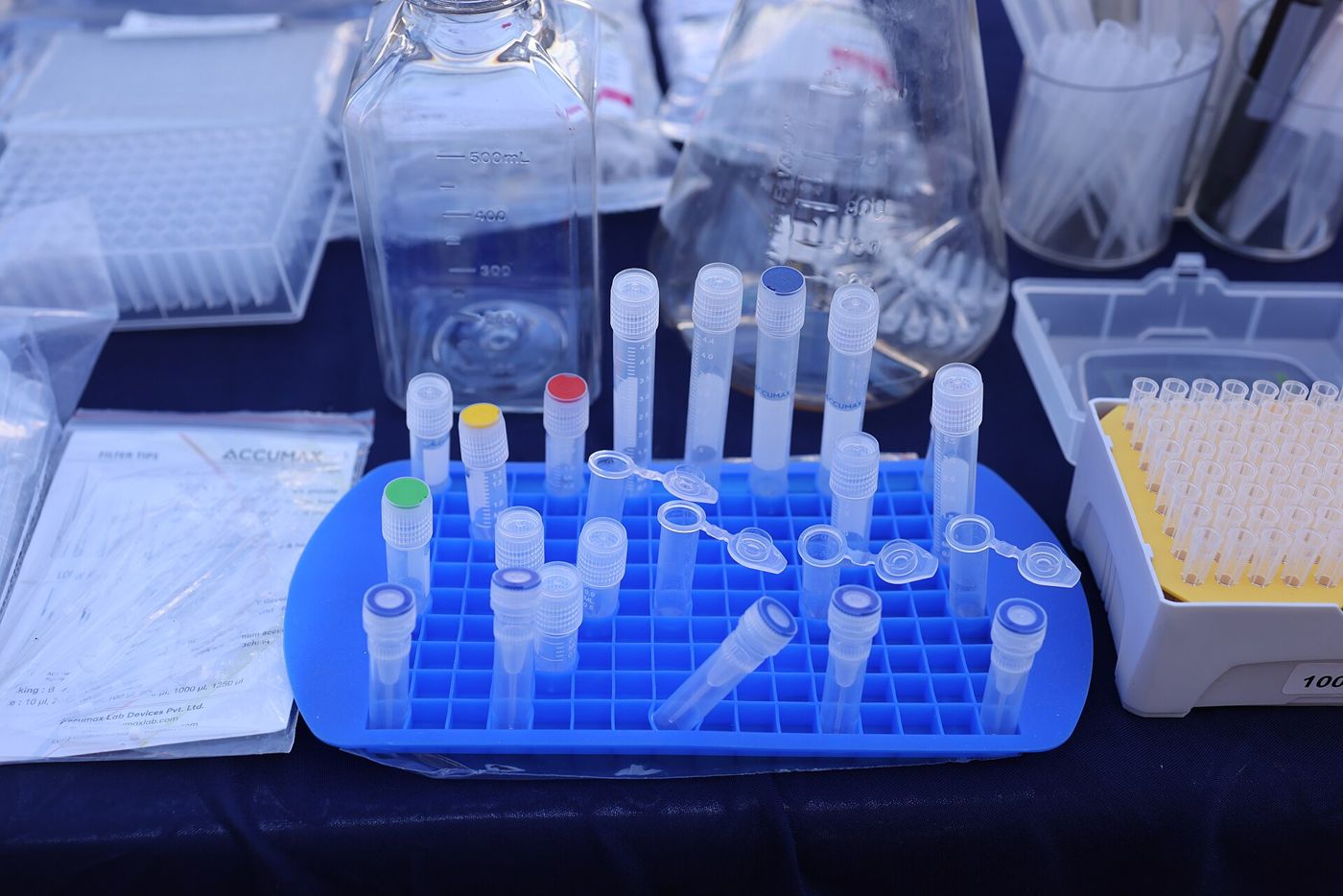 CompoundsPhoto: Gannu03 / Wikimedia Commons
Compound Profiles Oxytocin: Structure of a Cyclic Nonapeptide Hormone
How a nine-residue disulfide ring became the first synthetic peptide hormone, and what its chemistry and receptor pharmacology teach researchers.
 DODaniel Okafor~5 min read
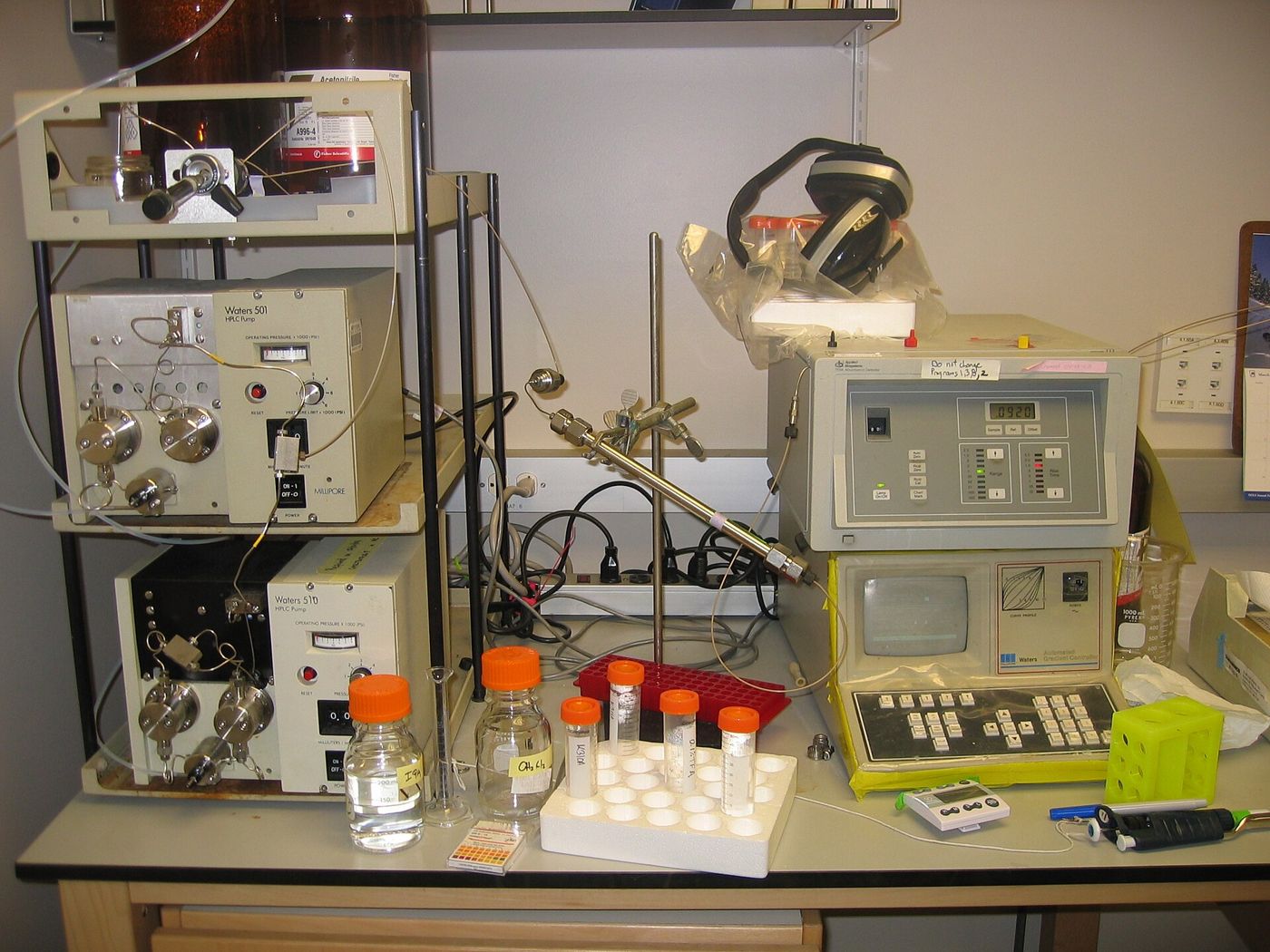 CompoundsPhoto: Kjaergaard / Wikimedia Commons
Compound Profiles hCG: Why Human Chorionic Gonadotropin Is a Glycoprotein, Not a Peptide
hCG is often called a peptide, but it is a glycosylated heterodimer. Its structure explains IU labeling, analytical methods and storage needs.
 EMElena Marsh~6 min read
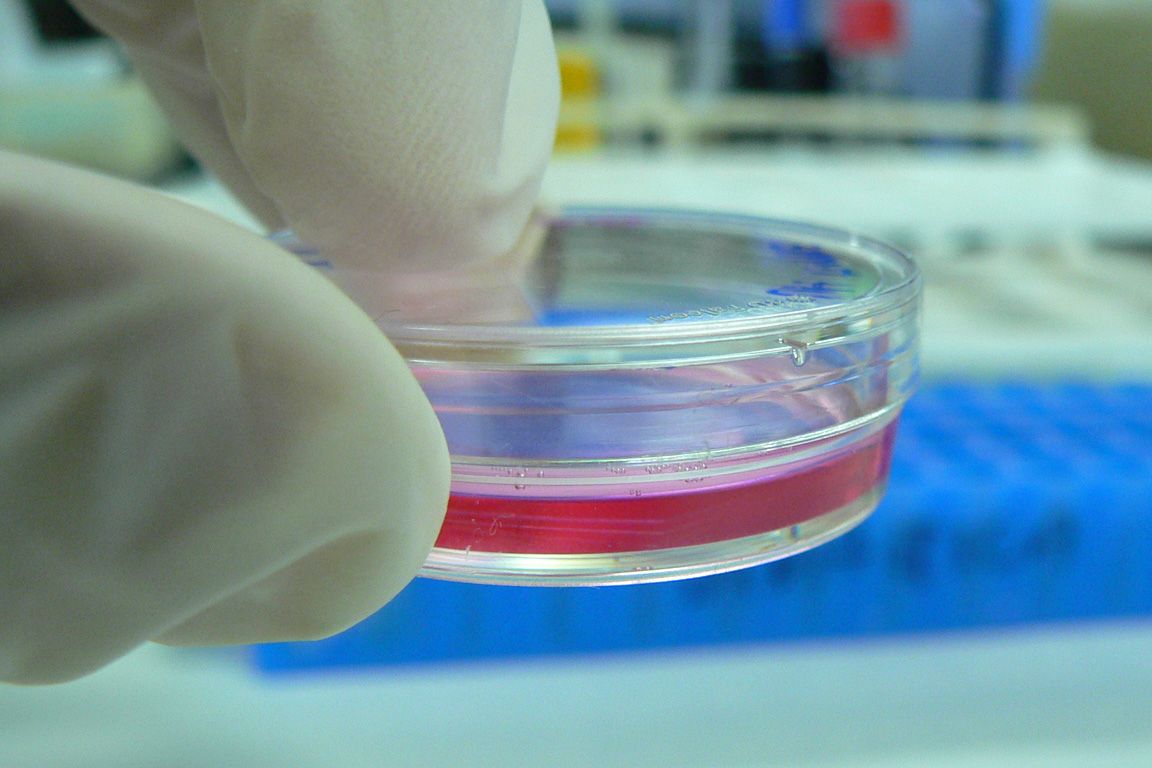 CompoundsPhoto: kaibara87 / Wikimedia Commons, CC BY 2.0
Compound Profiles Tesamorelin: A Stabilized GHRH(1-44) Analogue
How an N-terminal hexenoyl cap turns full-length GHRH(1-44) into a DPP-4 resistant analogue, and how tesamorelin compares structurally with sermorelin.
DODaniel Okafor~6 min read
CompoundsPhoto: kaibara87 / Wikimedia Commons, CC BY 2.0
Compound Profiles Sermorelin: GHRH(1-29) and the Minimal Active Fragment
Why the 29-residue N-terminal fragment of GHRH keeps the full hormone's activity, why it is short-lived, and how it became the template for later GHRH analogues.
DODaniel Okafor~5 min read
CompoundsPhoto: kaibara87 / Wikimedia Commons, CC BY 2.0
Compound Profiles Ipamorelin: A Selective Ghrelin Receptor Agonist Pentapeptide
How a five-residue GHRP derivative with three unnatural amino acids became the first selective ghrelin receptor agonist in animal and pituitary cell studies.
DODaniel Okafor~4 min read
 CompoundsPhoto: Nadine90 / Wikimedia Commons, CC BY-SA 3.0
Compound Profiles CJC-1295 and Ipamorelin: Two Receptor Pathways in One Research Blend
A GHRH receptor analogue and a ghrelin receptor agonist in one vial: the pharmacology behind the pairing, the design pitfalls of blends, and how they are tested.
DODaniel Okafor~4 min read
 CompoundsPhoto: Lilly_M / Wikimedia Commons, CC BY-SA 3.0
Compound Profiles CJC-1295 With and Without DAC: What the Difference Is
Both CJC-1295 forms share four substitutions on GHRH(1-29); only one carries the albumin-binding DAC. Here is the chemistry and how to tell them apart.
DODaniel Okafor~4 min read
 CompoundsPhoto: Lilly_M / Wikimedia Commons, CC BY-SA 3.0
Compound Profiles PT-141 (Bremelanotide): A Cyclic Melanocortin Receptor Agonist
Sequence, lactam ring chemistry and melanocortin receptor pharmacology of PT-141 (bremelanotide), with notes on cAMP assays and identity testing.
DODaniel Okafor~6 min read
CompoundsPhoto: Lilly_M / Wikimedia Commons, CC BY-SA 3.0
Compound Profiles Melanotan II (MT-2): Structure and Melanocortin Receptor Pharmacology
How melanotan II was designed from alpha-MSH, why its lactam ring matters, and how it behaves at melanocortin receptors in cell-based assays.
DODaniel Okafor~5 min read
Educational content for research use only. Not for human consumption. Nothing here is medical advice or a claim about safety or efficacy.